




¡Nuestro equipo cuenta con más de 7,000,000 operadores!
Cada día, trabajamos juntos para mejorar las operaciones. Obtenemos grandes resultados y seguimos adelante.
El reconocimiento de millones de operadores en todo el mundo es el mejor agradecimiento a nuestro trabajo! ¡Usted hizo su elección y haremos todo lo que esté a nuestro alcance para satisfacer sus expectativas!
¡Juntos somos un gran equipo!
InstaSpot. ¡Orgulloso de trabajar para usted!





¡Actor, 6 veces ganador del torneo UFC y un verdadero héroe!
El hombre que se hizo a sí mismo. El hombre que sigue nuestro camino.
El secreto detrás del éxito de Taktarov es el constante movimiento hacia el objetivo.
¡Revele todo los lados de su talento!
Descubra, intente, fracase, ¡pero nunca se rinda!
InstaSpot. ¡Su historia de éxito comienza aquí!
The start of a new week in the currency market is marked by the euro holding near two-month highs. The main driver remains the weakness of the U.S. dollar amid disappointing macroeconomic data; however, the European economy is facing its own set of challenges that could limit the growth of EUR/USD.
Recent data presents a mixed picture. On one hand, the eurozone economy shows signs of revival—GDP for the second quarter exceeded expectations, with growth of 0.4% quarter-on-quarter and 1.0% year-on-year. At the same time, business activity accelerated in July (the composite PMI was revised to 52.0), and the economic sentiment index rose to 96.9, marking the third consecutive month of improvement.
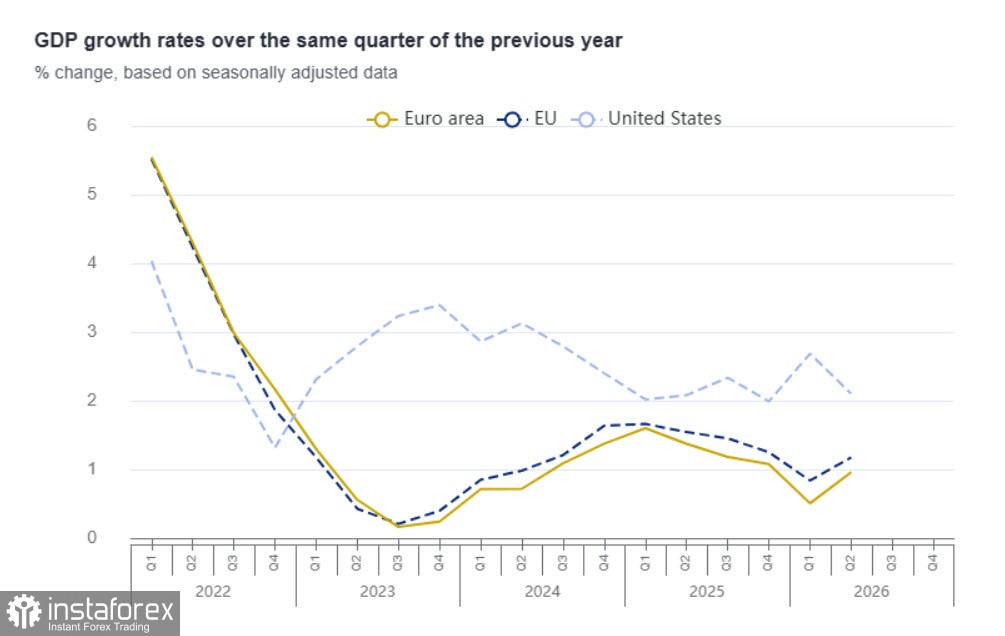
However, the eurozone economy remains extremely vulnerable to external shocks, and in August, pressure on it has intensified in several areas. This includes unprecedented extreme heat and rising inflationary pressures, which continue to undermine household purchasing power.
A blockade or serious disruption of shipping in the Strait of Hormuz would arguably pose the most dangerous scenario for the European economy, which is a net energy importer. According to an ECB study, a geopolitically induced spike in oil prices could reduce eurozone GDP growth by 0.4% in the first year following the shock. If the conflict also affects the gas market, the consequences would be even more severe.
If the situation in the strait escalates, the European economy will face a new wave of stagflationary pressure, which would be an extremely negative factor for the euro.
The ECB faces a dilemma—high inflation persists, necessitating policy tightening, while signs of slowing growth and geopolitical risks call for cautious action. A hike in September is seen as almost certain, and a second increase in 2026 is also likely. Some banks, such as UBS, expect two 25-basis-point hikes before September.
Weak data from the U.S. plays in favor of the euro; however, structural problems in the European economy and its dependence on energy imports create significant risks.
The net short position in euros changed slightly over the reporting week to -$8.52 billion, with the calculated price above the long-term average, suggesting a more likely upward than downward move.
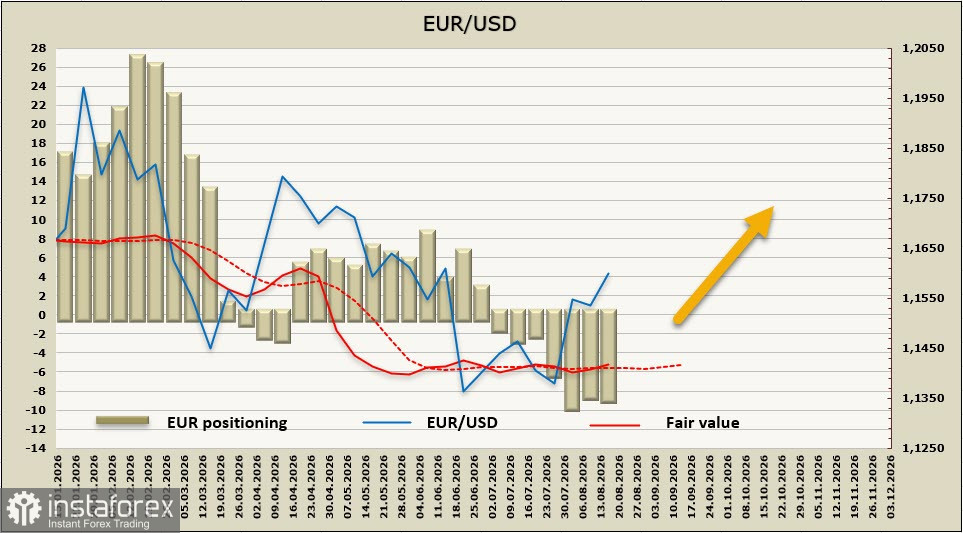
The EUR/USD pair is consolidating after rising in response to weak U.S. labor market data. On the daily chart, the price has settled above the 100-day moving average, which is a positive signal. The main scenario suggests an attempt to break through the resistance at 1.1600 and test the 1.1625/30 area for strength. However, downside risks remain; any negative news regarding the situation in the Strait of Hormuz, rising energy prices, or worsening economic data from the eurozone could trigger a correction down to the support levels of 1.1480/1.1500.
*El análisis de mercado publicado aquí tiene la finalidad de incrementar su conocimiento, más no darle instrucciones para realizar una operación.
¡Los informes analíticos de InstaSpot lo mantendrá bien informado de las tendencias del mercado! Al ser un cliente de InstaSpot, se le proporciona una gran cantidad de servicios gratuitos para una operación eficiente.


