




¡La leyenda en el equipo de InstaSpot!
¡Leyenda! ¿Cree que es una retórica grandilocuente? Pero, ¿cómo deberíamos llamar a un hombre, que se convirtió en el primer asiático en ganar el campeonato mundial de ajedrez júnior a los 18 años y en el primer Gran Maestro indio a los 19 años? Ese fue el comienzo de un camino difícil hacia el título de Campeón del Mundo para Viswanathan Anand, el hombre que se convirtió en parte de la historia del ajedrez para siempre. ¡Ahora una leyenda más en el equipo de InstaSpot!





Borussia es uno de los clubes de fútbol con más títulos en Alemania, que ha demostrado repetidamente a los fanáticos: el espíritu de competencia y liderazgo que ciertamente conducirán al éxito. Opere de la misma manera que los profesionales del deporte: con confianza y de forma activa. ¡Mantenga un "pase" del Borussia FC y lidere con InstaSpot!
Gold managed to regain ground in the Asian session, benefiting from a pullback in global bond yields and a softer US dollar amid hopes for renewed US–Iran talks. ING says the bounce looks driven more by fresh buyer interest after extended consolidation than by a material shift in geopolitics or macroeconomics.
The backdrop remains tense: the US and Iran have exchanged strikes for an 11th consecutive day, mediators are trying to revive the truce, and oil continues to climb. Yet XAU/USD has reacted to the move in crude with surprising restraint. According to Global X ETFs, current price action can be attributed to geopolitical apathy combined with heightened focus on Fed rate decisions. Treasury yields rose only modestly despite the escalation, so gold remained relatively stable.
Crucially, gold is showing signs of support at the psychologically important $4,000/oz level. Bloomberg data shows that ETFs added 7.4 tonnes on 21 July, marking the largest inflow in over a month. Hedge funds increased net long positions by 4.3k contracts to 119k, notching a five-week high.
Central bank purchases of gold
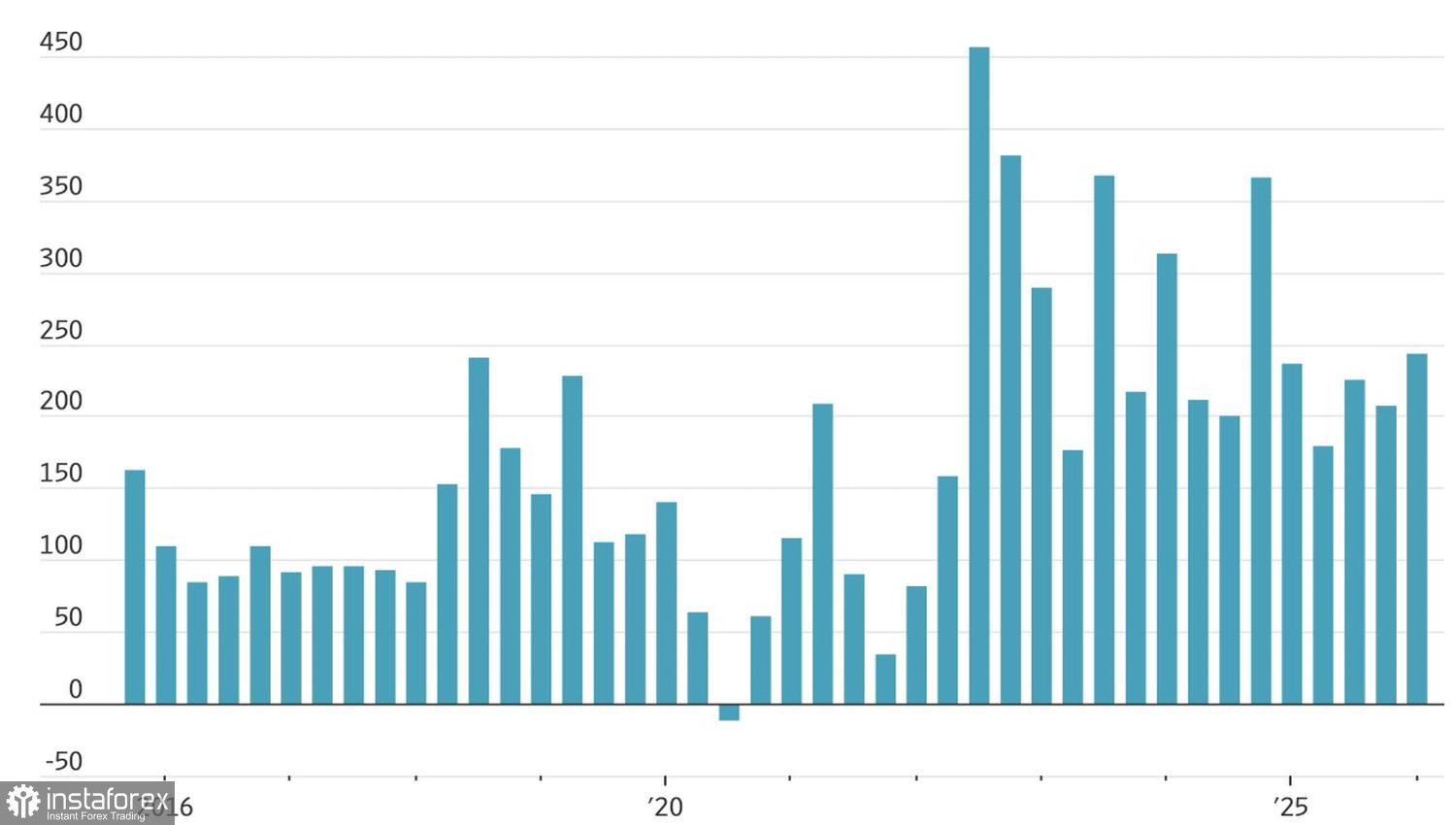
That said, it is hard to call recent months a success story for the metal. The long multi-year rally effectively ended with the onset of the Middle East crisis: XAU/USD has lost about 22% since 28 February. It is a paradox — geopolitical crises typically fuel inflation and hedging demand, yet June was gold's worst month since 2008 and Q2 its weakest quarter since 2013.
The reason is straightforward: investors are pricing in persistent Fed tightening in response to inflation, and rising real rates are a headwind for a non-yielding asset. There were rumors of Middle East central banks selling gold for liquidity, but confirmed sales include only Turkey's disposal of 81 tonnes for about $10.6bn.
Gold vs S&P 500 dynamics
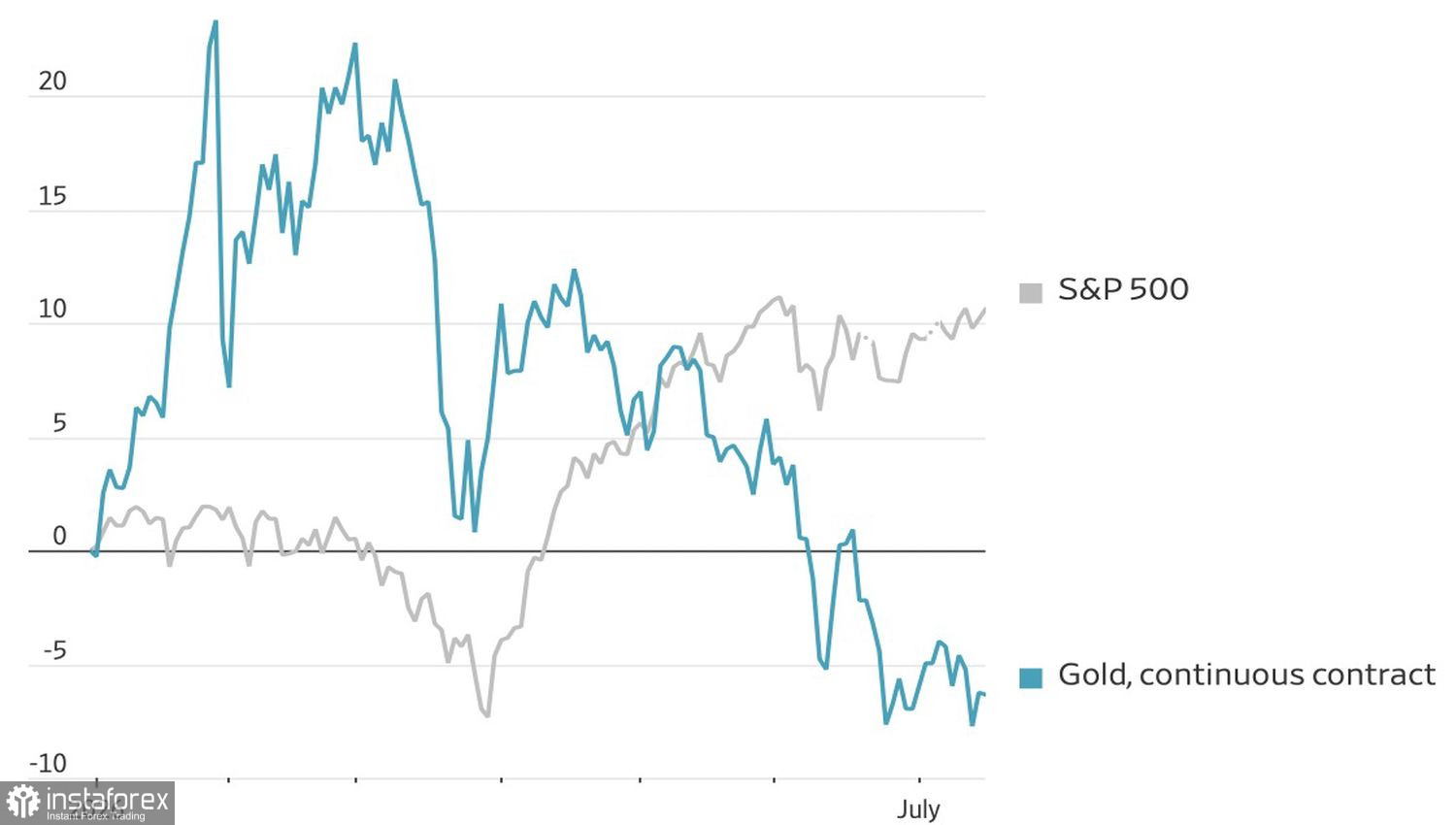
On a year-to-date basis, XAU/USD is still up roughly 21%, slightly outperforming the S&P 500, and central bank buying since 2022 underlines a durable de-dollarization trend. The Fed's path is uncertain: CME FedWatch assigns only a ~50% chance of a September hike. Wells Fargo cautions investors not to overreact to short-term volatility: after a >20% correction from the January peak, much of the downside risk is already priced in.
So what will prevail — a hawkish Fed or fading geopolitical fear?
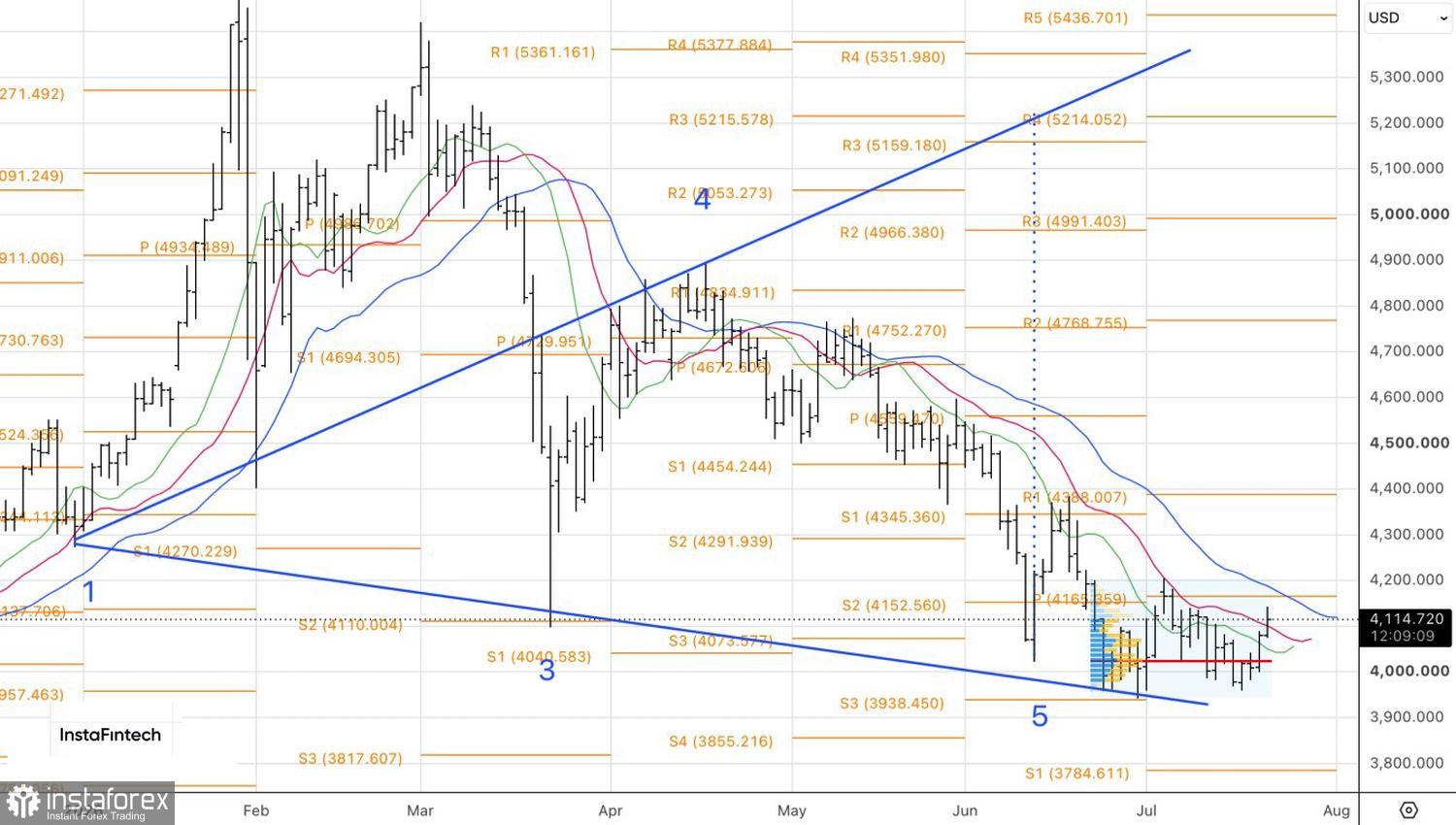
Technically, the daily chart shows that gold has completed a double-bottom pattern. A successful break above $4,155–4,165/oz would increase the likelihood of a Wolfe Wave pattern activation — a clearly bullish technical scenario for the metal.
*El análisis de mercado publicado aquí tiene la finalidad de incrementar su conocimiento, más no darle instrucciones para realizar una operación.
¡Los informes analíticos de InstaSpot lo mantendrá bien informado de las tendencias del mercado! Al ser un cliente de InstaSpot, se le proporciona una gran cantidad de servicios gratuitos para una operación eficiente.


