




¡Nuestro equipo cuenta con más de 7,000,000 operadores!
Cada día, trabajamos juntos para mejorar las operaciones. Obtenemos grandes resultados y seguimos adelante.
El reconocimiento de millones de operadores en todo el mundo es el mejor agradecimiento a nuestro trabajo! ¡Usted hizo su elección y haremos todo lo que esté a nuestro alcance para satisfacer sus expectativas!
¡Juntos somos un gran equipo!
InstaSpot. ¡Orgulloso de trabajar para usted!





¡Actor, 6 veces ganador del torneo UFC y un verdadero héroe!
El hombre que se hizo a sí mismo. El hombre que sigue nuestro camino.
El secreto detrás del éxito de Taktarov es el constante movimiento hacia el objetivo.
¡Revele todo los lados de su talento!
Descubra, intente, fracase, ¡pero nunca se rinda!
InstaSpot. ¡Su historia de éxito comienza aquí!
The S&P 500 is trading near an all-time high at 7,529 points. The latest report from the University of Michigan shows that the consumer sentiment index has fallen to a record low of 44.80. Two indicators that moved in the same direction for decades are now diverging with unprecedented force. Does this raise some questions? Obviously.
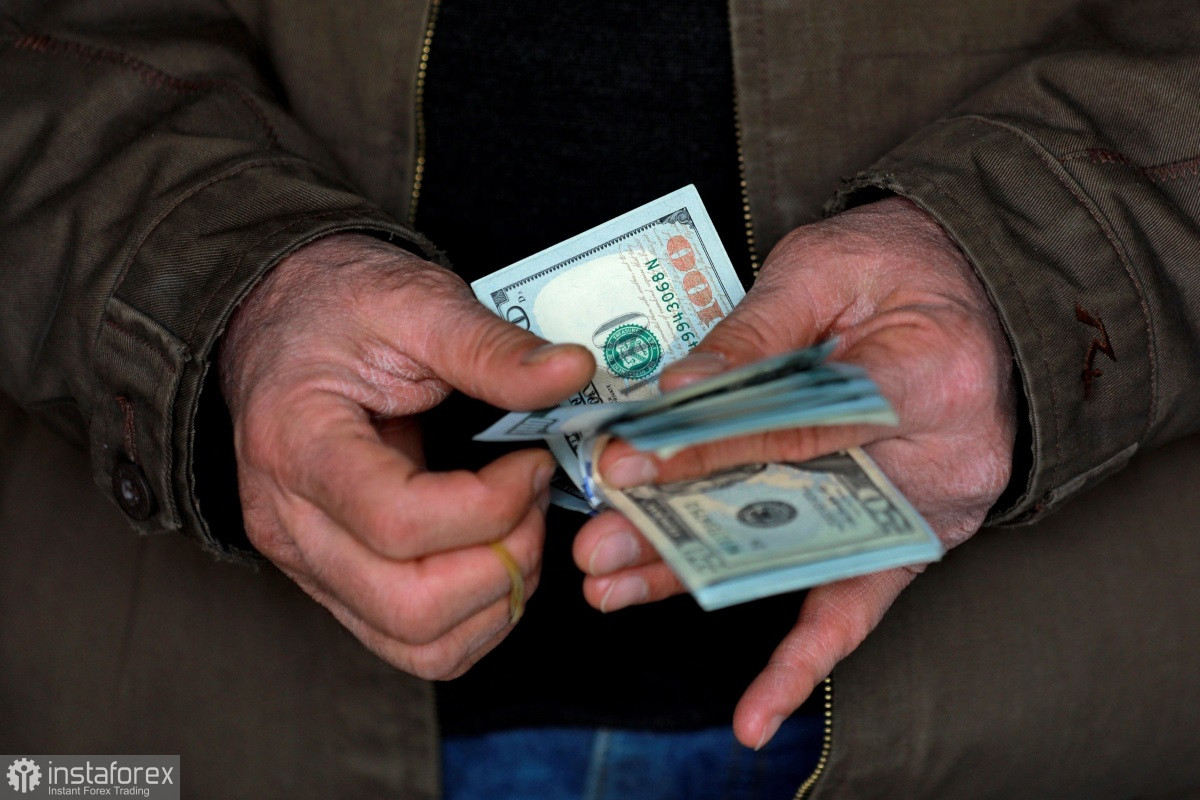
Historically, such a divergence has been rare and, as a rule, short?lived. The logic is simple: when the economy grows, corporate profits rise, and with them stocks, real incomes and consumer confidence. Today, that link has been severed. The stock market is hitting records on a wave of AI optimism and hopes for a settlement with Iran, while the average American consumer feels worse off than at any other time in the observation record — including the 2020 pandemic, the 2008–2009 financial crisis and the early-1980s recession.
The reason is obvious: the war with Iran has hit the spending items Americans feel every day. Gasoline prices have reached highs not seen since 2022, food prices are increasing alongside rising transport costs, and airfares are up about 20% year-on-year. About a third of consumers in the latest Michigan survey spontaneously mentioned gasoline prices as their chief concern. Real incomes have fallen for the third month in a row — inflation is eating into nominal wage gains.
Meanwhile, the stock market lives in a different reality. The S&P 500's gains are concentrated in a narrow circle of tech companies — chipmakers, AI platform providers and infrastructure players. These are assets predominantly owned by institutional investors and wealthy households. According to the Federal Reserve, the top 10% of American households by income own roughly 93% of all stocks. When Trump points to S&P 500 records as evidence of economic prosperity, he is describing the reality of a minority – citizens with brokerage accounts and diversified portfolios.
Importantly, such divergences historically do not last forever. Either the stock market eventually reflects the real condition of consumers and corrects downward, or consumer sentiment recovers as inflation falls — for example, if the Strait of Hormuz reopens and energy prices decline. The market is currently betting on the second scenario. However, so long as the Strait remains closed, gas is expensive, and the Federal Reserve is poised to raise interest rates, the gap between stock market records and the mood at the gas pump is likely to widen further.
*El análisis de mercado publicado aquí tiene la finalidad de incrementar su conocimiento, más no darle instrucciones para realizar una operación.
¡Los informes analíticos de InstaSpot lo mantendrá bien informado de las tendencias del mercado! Al ser un cliente de InstaSpot, se le proporciona una gran cantidad de servicios gratuitos para una operación eficiente.


