




Nossa equipe tem mais de 7,000,000 traders!
Todos os dias, trabalhamos juntos para melhorar a negociação. Obtivemos resultados elevados e avançamos.
O reconhecimento de milhões de traders em todo o mundo é a melhor apreciação do nosso trabalho! Você nos escolheu e faremos tudo o que for necessário para atender às suas expectativas!
Nós somos uma ótima equipe juntos!
InstaSpot. Orgulho de trabalhar para você!





Ator, hexacampeão do UFC e um verdadeiro herói!
Um homem de sucesso. Um homem que mostra o nosso caminho.
O segredo por trás do sucesso de Taktarov é um movimento constante em direção ao objetivo.
Revele todos os lados do seu talento!
Descubra, tente, falhe, mas nunca pare!
I InstaSpot. Sua história de sucesso começa aqui!
The European currency against the pound showed upward momentum throughout February, rising from 0.8611 to 0.8788 (its high last week). However, this week the cross pair reversed by 180 degrees and declined by almost 100 points.
The preceding growth of EUR/GBP appeared quite logical and justified. The European Central Bank had been adopting a "moderately hawkish" stance, signaling a wait-and-see approach, while the Bank of England noticeably softened its tone, hinting at an upcoming rate cut.
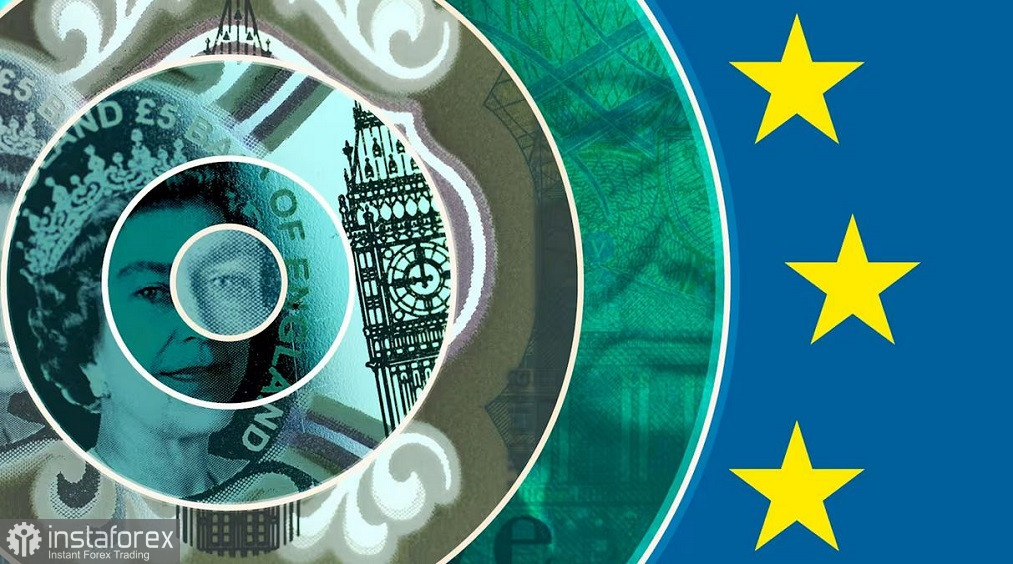
Macroeconomic reports are also contributing to the development of the upward trend for EUR/GBP. The UK labor market is gradually cooling, and inflation is slowing down. Additionally, economic growth in the UK is also decelerating. In the fourth quarter of last year, the annual GDP rate fell to 1.0%, and the monthly growth rate weakened to 0.1% in December. Key reasons include weak services-sector activity, declining business investment, and tight fiscal conditions, leading to a growth forecast of only 1% for the current year.
While inflation in the eurozone is exhibiting stubbornness. For example, the CPI growth report published on Tuesday surprised investors with its "green tint": all components of the report exceeded forecasts. This is an important fundamental signal that will be particularly relevant when the Middle Eastern conflict concludes, and traders return to "classic" fundamental factors.
According to data, the overall consumer price index in the eurozone rose to 1.9% year-on-year in February, after a sharp decline to 1.7% in the previous month (the lowest value since September 2024). The index had been declining for two months but accelerated in February, while most analysts had been confident it would remain at the January level.
The core CPI, excluding energy and food prices, was also in the green zone: instead of the anticipated stagnation at 2.2% year-on-year (the lowest value since October 2021), it increased to 2.4%.
The most significant contribution to inflation growth came from services: this component of the report remained above the three percent mark (3.4% year-on-year). In general, this is the main source of pressure on the overall CPI. Food products, alcohol, and tobacco also played a role, with an increase of +2.6%. Additionally, the price growth of non-energy industrial goods accelerated to 0.7% year-on-year, following a 0.4% rise the previous month.
At the same time, unlike other categories, the energy component remained in the negative zone. However, it is important to consider that the February index was formed before the dramatic events in the Middle East—the March figures will likely reflect the geopolitical turbulence.
The report released on Tuesday indicates that the European Central Bank will continue to maintain a wait-and-see position—even if the Middle Eastern conflict resolves "tomorrow," and gas and oil prices return to "pre-war" levels.
The decoupling of the ECB and the BoE's monetary policies had supported the EUR/GBP pair throughout February, but now this fundamental factor has stopped "working."
In the context of the EUR/GBP pair, the market has interpreted recent events in the Middle East quite definitively—not in favor of the euro, but in favor of the pound.
Firstly, traders focused on the inflationary effect. It is expected that the inevitable rise in energy prices will force the BoE to maintain its pause, despite weak economic growth and negative labor market trends. The probability of a BoE rate cut at the March meeting has sharply decreased: prior to the Middle Eastern events, this probability was around 80%, but now it stands at only 30%.
Secondly, markets have formed the view that the eurozone economy is more fragile amid energy challenges. Experts surveyed by Bloomberg almost unanimously stated that Europe faces an economic crisis if the war in the Middle East drags on for more than a month. They believe that the EU is the "most vulnerable major economy to the consequences of the war with Iran" due to its dependency on oil and gas supplies from Middle Eastern countries. A prolonged war would sustain high prices for "black gold" and "blue fuel," negatively impacting the industry and economies of key EU nations, many of which are already teetering on the brink of recession.
Thus, amid the ongoing conflict in the Middle East, the EUR/GBP pair remains vulnerable to further declines. However, it is advisable to open short positions after sellers break through the support level of 0.8700 (the Kijun-sen line coinciding with the lower boundary of the Kumo cloud on the daily chart). Today's attempt was unsuccessful, despite the impulsive price decline. EUR/GBP buyers managed to engineer a corrective rebound, maintaining this level. But if the bears push this target down, the next objective for the downward movement will be the 0.8640 mark (the lower Bollinger Bands line on W1).
*A análise de mercado aqui postada destina-se a aumentar o seu conhecimento, mas não dar instruções para fazer uma negociação.
InstaSpot analytical reviews will make you fully aware of market trends! Being an InstaSpot client, you are provided with a large number of free services for efficient trading.


