




¡La leyenda en el equipo de InstaSpot!
¡Leyenda! ¿Cree que es una retórica grandilocuente? Pero, ¿cómo deberíamos llamar a un hombre, que se convirtió en el primer asiático en ganar el campeonato mundial de ajedrez júnior a los 18 años y en el primer Gran Maestro indio a los 19 años? Ese fue el comienzo de un camino difícil hacia el título de Campeón del Mundo para Viswanathan Anand, el hombre que se convirtió en parte de la historia del ajedrez para siempre. ¡Ahora una leyenda más en el equipo de InstaSpot!





Borussia es uno de los clubes de fútbol con más títulos en Alemania, que ha demostrado repetidamente a los fanáticos: el espíritu de competencia y liderazgo que ciertamente conducirán al éxito. Opere de la misma manera que los profesionales del deporte: con confianza y de forma activa. ¡Mantenga un "pase" del Borussia FC y lidere con InstaSpot!
Today, the UK Office for National Statistics released April inflation data that significantly exceeded expectations. The pound reacted to this news quite predictably—initially declining, but then quickly recovering.
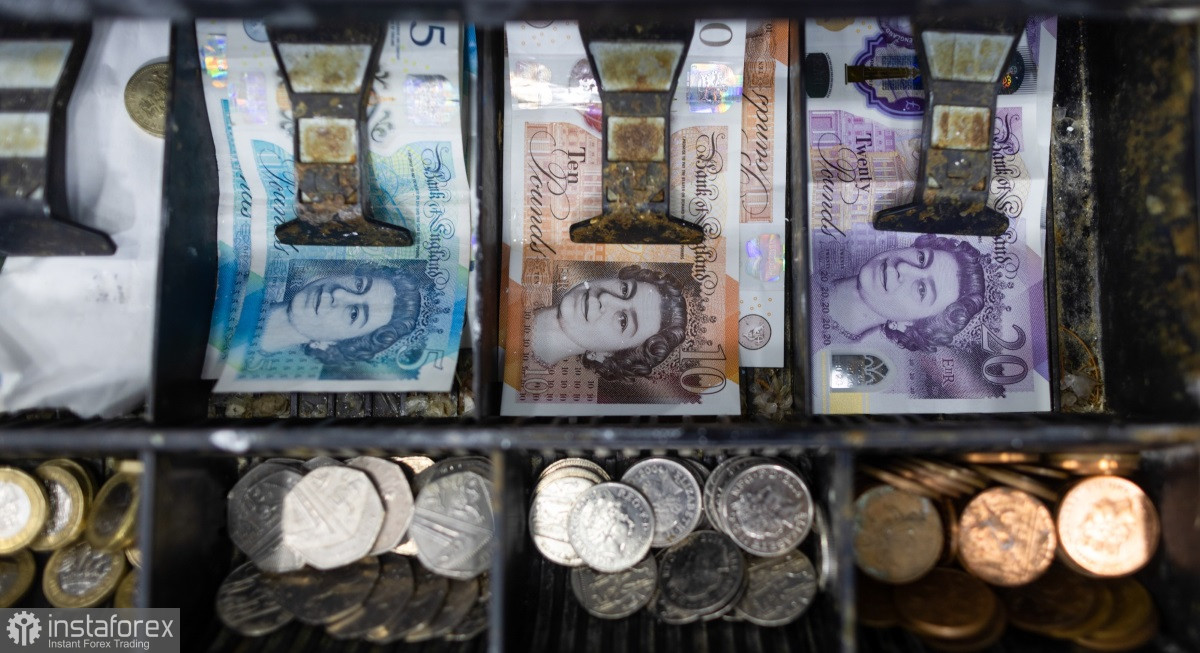
The report indicated that the Consumer Price Index (CPI) rose by 2.8% year-on-year, down from 3.3% in March, while the market had expected a decline to 3.0%. At first glance, this seems like good news; however, it is essential to understand that this is a temporary phenomenon and not a trend reversal.
The slowdown in inflation is primarily attributed to the energy regulator Ofgem, which implemented a new price cap on electricity and gas from April 1. Electricity prices fell by 8.4% in April after rising 2.9% in March, and this was the main driver of the overall decline. In other words, the data were improved not by the economy but through an administrative decision by the central bank.
Regarding core inflation, it also decreased: the Core CPI now stands at 2.5% compared to 3.1% in March, and inflation in the services sector dropped from 4.5% to 3.2%. This is a somewhat more reassuring signal, as the Bank of England pays particular attention to services when making rate decisions.
As mentioned earlier, it is important to understand that while inflation took a step back in April, it is preparing for a leap by the end of spring. High energy prices are expected to push inflation above 4% this year. Deutsche Bank anticipates that following the April drop, inflation will recover in May and beyond as the Iranian shock begins to fully reflect in the data. Household gas bills are expected to rise only in the summer, and it is then that the report will reveal the true picture.
Meanwhile, markets are pricing in a 25-basis-point rate hike from the BoE at the July meeting, raising it to 4%. The central bank is closely monitoring the "second wave effects": rising wage demands and the pass-through of costs to consumers. In the baseline scenario, the central bank expects inflation to be at 3.6% by the end of 2026, while in the worst-case scenario, it could reach 6.2% by early 2027.
For the British pound, today's data presents a dual situation. The decline in inflation below expectations theoretically eases pressure for aggressive rate hikes, which weakens support for the pound. However, the market clearly understands the temporary nature of the April result and, judging by the ongoing expectations for a rate hike in July, is in no hurry to revise monetary policy forecasts. Likely, the impact of this data on the pound will be limited—until the May figures reveal how deeply the Iranian energy shock has already seeped into British inflation.
*El análisis de mercado publicado aquí tiene la finalidad de incrementar su conocimiento, más no darle instrucciones para realizar una operación.
¡Los informes analíticos de InstaSpot lo mantendrá bien informado de las tendencias del mercado! Al ser un cliente de InstaSpot, se le proporciona una gran cantidad de servicios gratuitos para una operación eficiente.


