




Nella nostra squadra ci sono più di 7.000.000 trader! Ogni giorno ci impegniamo a far sì che il trading migliori. Conseguiamo grandi risultati e ci muoviamo in avanti.
Il riconoscimento da parte di milioni di trader in tutto il mondo rappresenta l'alta valutazione della nostra attività! Voi avete fatto la vostra scelta e noi faremo la nostra al fine di soddisfare le vostre aspettative!
Assieme siamo una grande squadra!
InstaSpot. Siamo orgogliosi di lavorare per voi!





Attore, campione del mondo di lotta libera e semplicemente un vero maciste russo! Persona venuta dal nulla. Persona che rispecchia i nostri obiettivi. Il segreto del successo di Taktarov consiste nel mirare continuamente al suo scopo.
Dischiudi anche tu tutti gli aspetti del tuo talento! Impara, prova, sbaglia, ma non fermarti!
InstaSpot - la storia delle tue vittorie inizia qui!

Today, the UK Office for National Statistics released April inflation data that significantly exceeded expectations. The pound reacted to this news quite predictably—initially declining, but then quickly recovering.
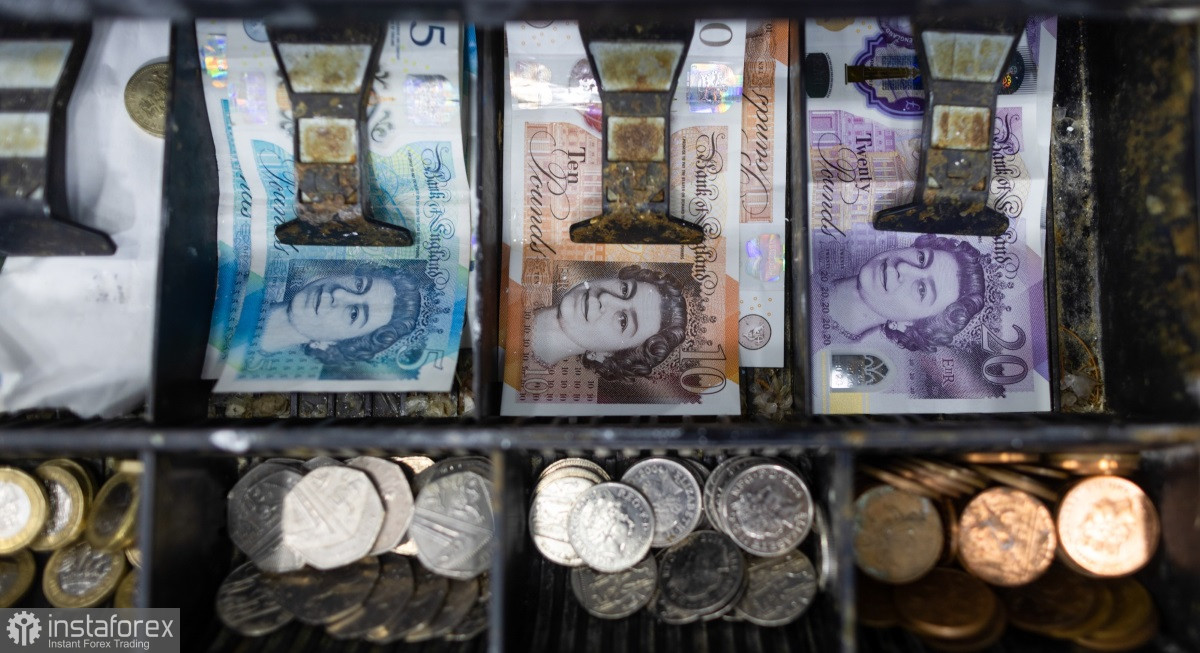
The report indicated that the Consumer Price Index (CPI) rose by 2.8% year-on-year, down from 3.3% in March, while the market had expected a decline to 3.0%. At first glance, this seems like good news; however, it is essential to understand that this is a temporary phenomenon and not a trend reversal.
The slowdown in inflation is primarily attributed to the energy regulator Ofgem, which implemented a new price cap on electricity and gas from April 1. Electricity prices fell by 8.4% in April after rising 2.9% in March, and this was the main driver of the overall decline. In other words, the data were improved not by the economy but through an administrative decision by the central bank.
Regarding core inflation, it also decreased: the Core CPI now stands at 2.5% compared to 3.1% in March, and inflation in the services sector dropped from 4.5% to 3.2%. This is a somewhat more reassuring signal, as the Bank of England pays particular attention to services when making rate decisions.
As mentioned earlier, it is important to understand that while inflation took a step back in April, it is preparing for a leap by the end of spring. High energy prices are expected to push inflation above 4% this year. Deutsche Bank anticipates that following the April drop, inflation will recover in May and beyond as the Iranian shock begins to fully reflect in the data. Household gas bills are expected to rise only in the summer, and it is then that the report will reveal the true picture.
Meanwhile, markets are pricing in a 25-basis-point rate hike from the BoE at the July meeting, raising it to 4%. The central bank is closely monitoring the "second wave effects": rising wage demands and the pass-through of costs to consumers. In the baseline scenario, the central bank expects inflation to be at 3.6% by the end of 2026, while in the worst-case scenario, it could reach 6.2% by early 2027.
For the British pound, today's data presents a dual situation. The decline in inflation below expectations theoretically eases pressure for aggressive rate hikes, which weakens support for the pound. However, the market clearly understands the temporary nature of the April result and, judging by the ongoing expectations for a rate hike in July, is in no hurry to revise monetary policy forecasts. Likely, the impact of this data on the pound will be limited—until the May figures reveal how deeply the Iranian energy shock has already seeped into British inflation.
*La presente analisi del mercato ha un carattere esclusivamente informativo e non rappresenta una guida per l`effettuazione di una transazione.
Le recensioni analitiche di InstaSpot ti renderanno pienamente consapevole delle tendenze del mercato! Essendo un cliente InstaSpot, ti viene fornito un gran numero di servizi gratuiti per il trading efficiente.


