




Nella nostra squadra ci sono più di 7.000.000 trader! Ogni giorno ci impegniamo a far sì che il trading migliori. Conseguiamo grandi risultati e ci muoviamo in avanti.
Il riconoscimento da parte di milioni di trader in tutto il mondo rappresenta l'alta valutazione della nostra attività! Voi avete fatto la vostra scelta e noi faremo la nostra al fine di soddisfare le vostre aspettative!
Assieme siamo una grande squadra!
InstaSpot. Siamo orgogliosi di lavorare per voi!





Attore, campione del mondo di lotta libera e semplicemente un vero maciste russo! Persona venuta dal nulla. Persona che rispecchia i nostri obiettivi. Il segreto del successo di Taktarov consiste nel mirare continuamente al suo scopo.
Dischiudi anche tu tutti gli aspetti del tuo talento! Impara, prova, sbaglia, ma non fermarti!
InstaSpot - la storia delle tue vittorie inizia qui!


US investors returned to their screens after the long Labor Day weekend, but instead of a routine, gradual restart, they faced a macroeconomic squall. Markets opened the week in a state of indecision, torn between fears of a fresh inflation wave, an oil shock, and rising expectations for tougher action from the Federal Reserve.
By Monday evening, the Dow Jones (industrial gauge) slipped by about 0.6% to roughly 53,116, the broad S&P 500 lost 0.1% to 7,712.25, while the tech-heavy Nasdaq 100 bucked the trend and edged up 0.3% to 29,639.75.
This nervousness was a natural continuation of Friday's sell-off: ahead of the holiday, Wall Street had already fallen on macro releases, with the Dow down 0.5%, the S&P 500 off 0.4%, and the NASDAQ Composite down 0.3%.
The key panic trigger was the August jobs report. US employers added 162,000 payrolls, a number that materially beat even the most optimistic economist forecasts, while the unemployment rate held at 4.1%. For Wall Street, what are good headlines for the economy translated into bad news for equities: an overheated labor market reduces the likelihood that the Fed will ease policy anytime soon.
Investors instantly repriced their bets. According to CME FedWatch, the probability of a 25?bp rate hike at the September 15–16 FOMC meeting jumped from 49% to 60%.
Major players began to revise forecasts urgently. UBS was among the latest global banks to flip its stance 180 degrees. Where it had previously priced in no rate hikes for 2026, the Swiss bank's base case now assumes a much tighter path: two increases, in September and December.
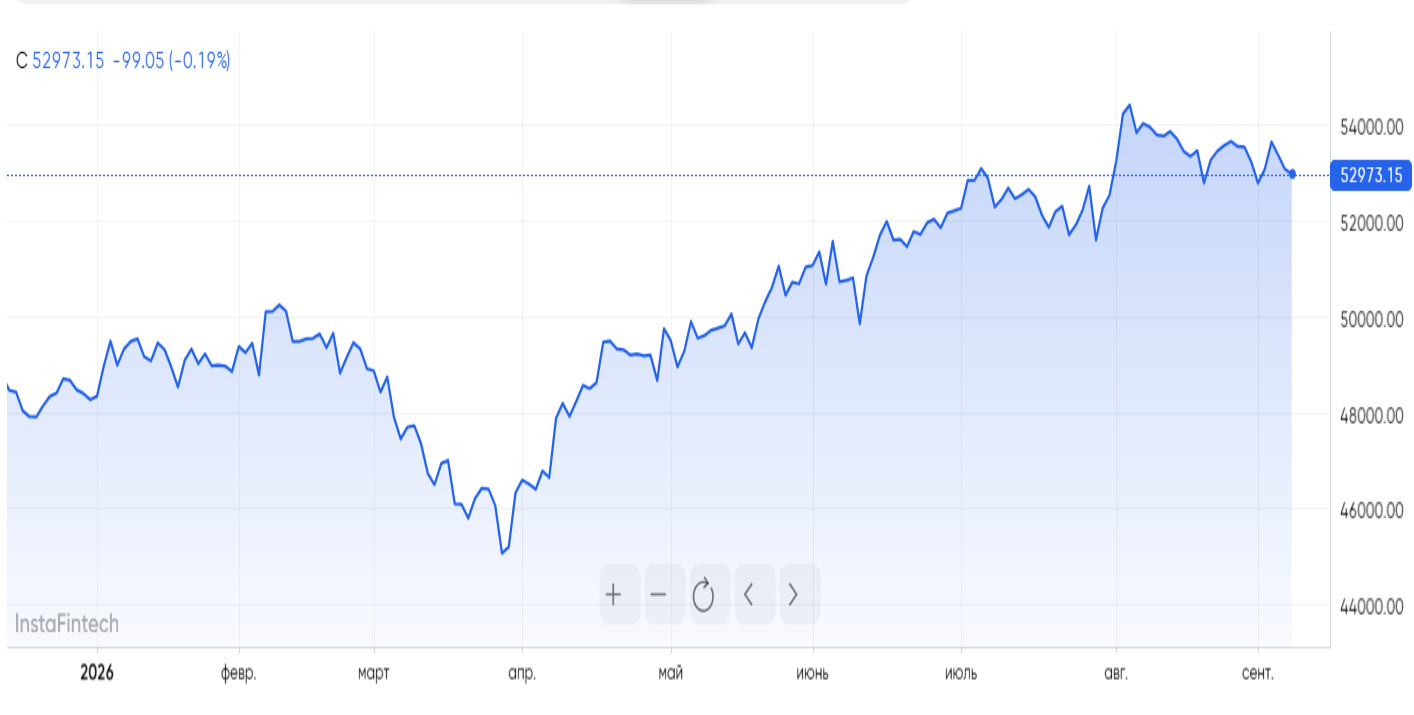
If payrolls data represents an internal challenge for the Fed, geopolitics is striking the most vulnerable spots in the global economy and fanning the inflationary fire.
Brent traded near $97/barrel on Tuesday amid a rapid escalation in the Middle East. The US–Iran confrontation is entering a new phase: after US strikes on Iranian vessels, Tehran threatened retaliatory attacks on regional energy infrastructure. Reports of strikes on a refinery in Jazan, Saudi Arabia, have added to the risk mix.
Markets are jittery over potential supply disruptions through the strategically vital Strait of Hormuz. Higher energy prices put the Fed in a difficult position: the central bank must decide whether the economy is resilient enough to tolerate tighter monetary policy while inflation is being pushed up from abroad by costly oil.
All eyes now turn to this week's macro calendar. Thursday brings the Producer Price Index (PPI), and Friday delivers the headline inflation reading — the Consumer Price Index (CPI).
Those prints will serve as the final arbiter in the hawk-vs-dove debate. They will determine whether the Fed moves forward with a market-painful rate hike next week or opts to pause, hoping the economy will weather the external inflation shock without further tightening.
Le recensioni analitiche di InstaSpot ti renderanno pienamente consapevole delle tendenze del mercato! Essendo un cliente InstaSpot, ti viene fornito un gran numero di servizi gratuiti per il trading efficiente.


