




Our team has over 7,000,000 traders!
Every day we work together to improve trading. We get high results and move forward.
Recognition by millions of traders all over the world is the best appreciation of our work! You made your choice and we will do everything it takes to meet your expectations!
We are a great team together!
InstaSpot. Proud to work for you!





Actor, UFC 6 tournament champion and a true hero!
The man who made himself. The man that goes our way.
The secret behind Taktarov's success is constant movement towards the goal.
Reveal all the sides of your talent!
Discover, try, fail - but never stop!
InstaSpot. Your success story starts here!

The euro and the pound failed to deliver any meaningful moves today, although there were still some opportunities to trade using the Mean Reversion strategy. I did not take any Momentum trades.
The euro pulled back despite Germany's data appearing positive at first glance. According to the report, Germany's industrial orders surged by 3.1% month-over-month and 6.5% year-over-year in June. However, excluding large one-off orders, the indicator declined by 0.5%, while orders from within the eurozone plunged by 14%. Industrial orders serve as a leading indicator of future manufacturing activity, but because of these underlying details, the seemingly strong headline figures failed to convince the market, and the euro showed little reaction to the German data. Far more significant for the euro were the weaker-than-expected eurozone retail sales figures for June, which pushed the currency lower. Retail sales declined by 0.3% in June after increasing by 0.4% in May, with the weakness broad-based. Germany ranked among the three weakest performers on a monthly basis, posting a decline of 1.1%. Retail sales reflect consumer spending, and the decline undermined confidence in the resilience of domestic demand, weakening the case for a hawkish ECB stance and reducing support for the euro against the U.S. dollar.
During the second half of the day, the U.S. economic calendar will feature only the weekly Initial Jobless Claims report, so major surprises are unlikely. This weekly indicator measures the number of people filing for unemployment benefits for the first time and serves as a timely gauge of labor market conditions: rising claims signal a weakening labor market, while declining claims point to continued resilience. Although the data are important, their impact on market sentiment is likely to remain limited in the absence of other major economic releases. The U.S. dollar is therefore likely to extend its gains, supported by the existing bullish momentum. For the euro and the pound, this implies a risk of further declines, as a stronger U.S. dollar could weigh on both EUR/USD and GBP/USD. Only a significant increase in jobless claims would be likely to weaken the dollar and provide temporary relief for the two European currencies. Otherwise, if the data come in close to expectations, the U.S. dollar is likely to retain the upper hand through the end of the trading day.
If the data come in significantly stronger than expected, I will rely on the Momentum strategy. If the market shows little or no reaction to the release, I will continue using the Mean Reversion strategy.
Momentum Strategy (Breakout) for the Second Half of the Day
EUR/USD
GBP/USD
USD/JPY
Mean Reversion Strategy for the Second Half of the Day
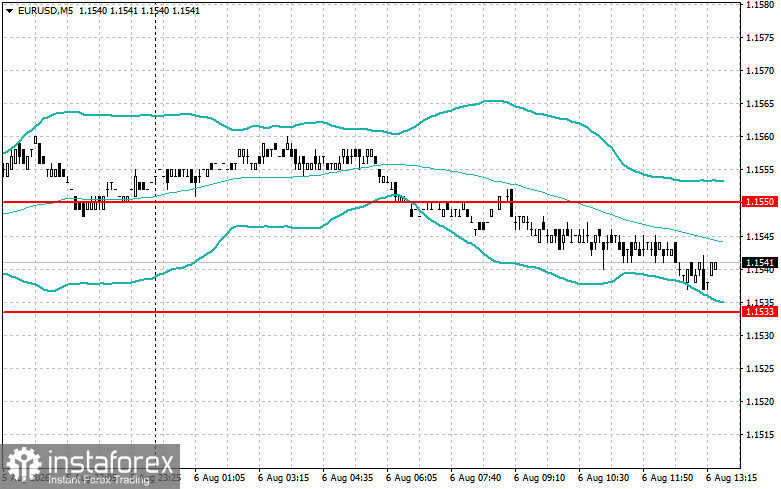
EUR/USD
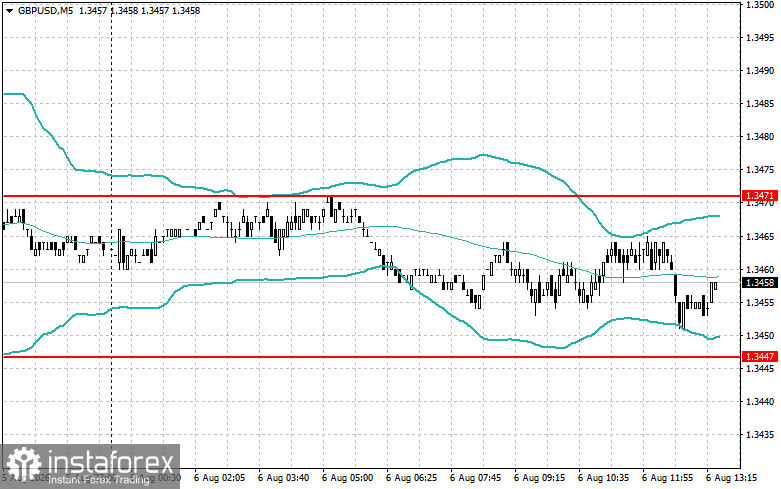
GBP/USD
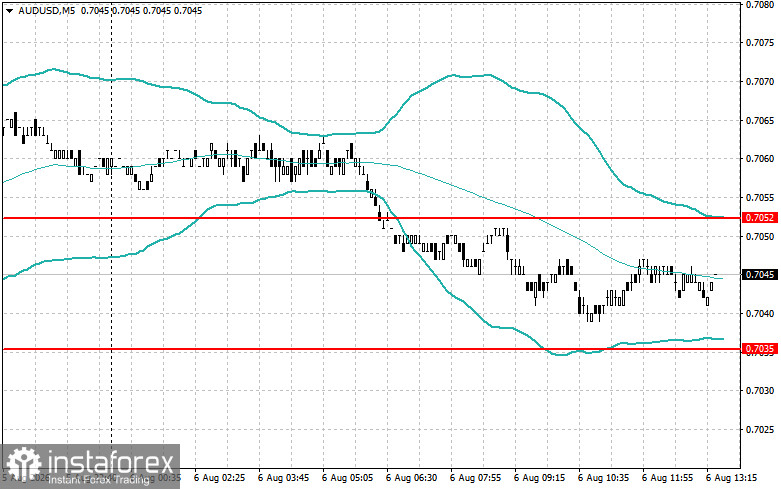
AUD/USD
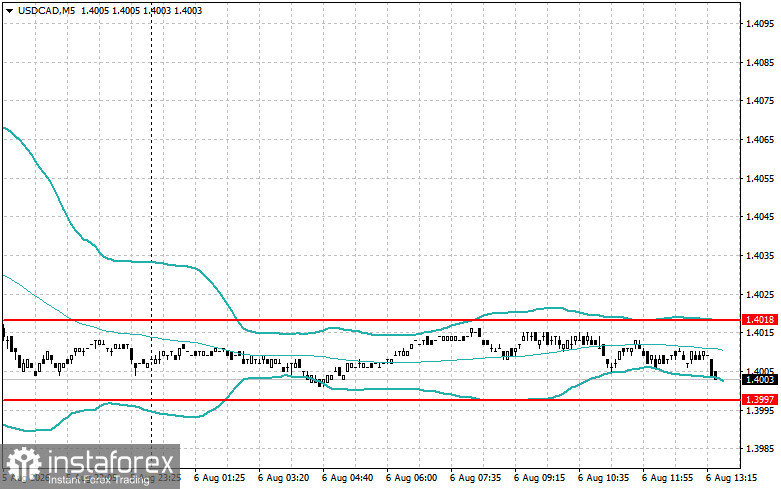
USD/CAD
*The market analysis posted here is meant to increase your awareness, but not to give instructions to make a trade.
InstaSpot analytical reviews will make you fully aware of market trends! Being an InstaSpot client, you are provided with a large number of free services for efficient trading.


