




ہمارے ٹیم میں 7000000 سے ذائد تاجران شامل ہیں
ہم تجارت کی بہتری کے لئے ہر روز اکھٹے کام کرتے ہیں اور بہترین نتائج حاصل کرتے ہوئے آگے کی جانب بڑھتے ہیں
دُنیا بھر سے سے لاکھوں ہمارے بہترین کام کو سند عطاء کرتے ہیں آپ اپنا انتحاب کریں باقی ہم آپ کی توقعات پر پورا اترنے کے لئے اپنی بہترین کوشش کریں گے
ہم مل کر ایک بہترین ٹیم بناتے ہیں
انسٹا فاریکس آپ سے کام کرتے ہوئے فخر محسوس کرتا ہے





ایکٹر - یو سی ایف 6 ٹورنامنٹ چیمپین اور واقعی ہیرو
ایک فرد کے جس نے اپنا آپ منوایا ہے وہ فرد کہ جو ہماری راہ پر چلا ہے.
ٹکٹا روو کی کامیابی کا راز یہ ہے کہ وہ اپنے اہداف کی جانب مسلسل بڑھتا رہتا ہے
اپنے ہنر یا ٹیلنٹ کے تمام پہلو آشکار کررہے ہیں
پہچانیں ، کوشش کریں ، ناکام ہوں لیکن کبھی نہ رُکیں
انسٹا فاریکس آپ کی کامیابی کی کہاں یہاں سے شروع ہوتی ہے

The euro and the pound failed to deliver any meaningful moves today, although there were still some opportunities to trade using the Mean Reversion strategy. I did not take any Momentum trades.
The euro pulled back despite Germany's data appearing positive at first glance. According to the report, Germany's industrial orders surged by 3.1% month-over-month and 6.5% year-over-year in June. However, excluding large one-off orders, the indicator declined by 0.5%, while orders from within the eurozone plunged by 14%. Industrial orders serve as a leading indicator of future manufacturing activity, but because of these underlying details, the seemingly strong headline figures failed to convince the market, and the euro showed little reaction to the German data. Far more significant for the euro were the weaker-than-expected eurozone retail sales figures for June, which pushed the currency lower. Retail sales declined by 0.3% in June after increasing by 0.4% in May, with the weakness broad-based. Germany ranked among the three weakest performers on a monthly basis, posting a decline of 1.1%. Retail sales reflect consumer spending, and the decline undermined confidence in the resilience of domestic demand, weakening the case for a hawkish ECB stance and reducing support for the euro against the U.S. dollar.
During the second half of the day, the U.S. economic calendar will feature only the weekly Initial Jobless Claims report, so major surprises are unlikely. This weekly indicator measures the number of people filing for unemployment benefits for the first time and serves as a timely gauge of labor market conditions: rising claims signal a weakening labor market, while declining claims point to continued resilience. Although the data are important, their impact on market sentiment is likely to remain limited in the absence of other major economic releases. The U.S. dollar is therefore likely to extend its gains, supported by the existing bullish momentum. For the euro and the pound, this implies a risk of further declines, as a stronger U.S. dollar could weigh on both EUR/USD and GBP/USD. Only a significant increase in jobless claims would be likely to weaken the dollar and provide temporary relief for the two European currencies. Otherwise, if the data come in close to expectations, the U.S. dollar is likely to retain the upper hand through the end of the trading day.
If the data come in significantly stronger than expected, I will rely on the Momentum strategy. If the market shows little or no reaction to the release, I will continue using the Mean Reversion strategy.
Momentum Strategy (Breakout) for the Second Half of the Day
EUR/USD
GBP/USD
USD/JPY
Mean Reversion Strategy for the Second Half of the Day
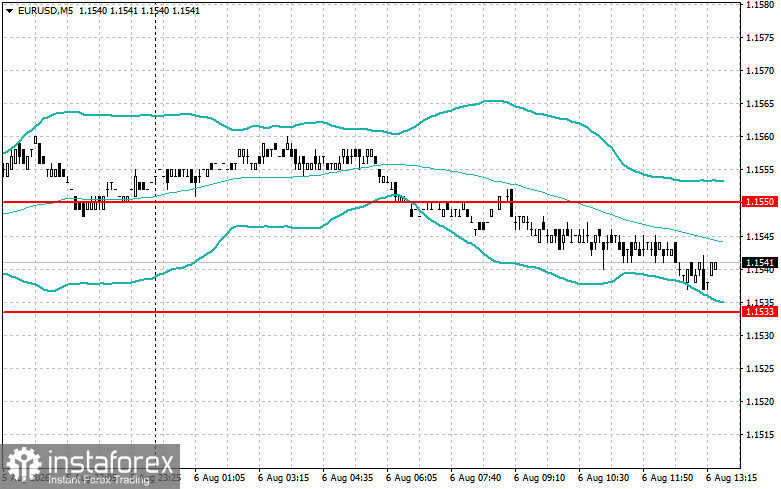
EUR/USD
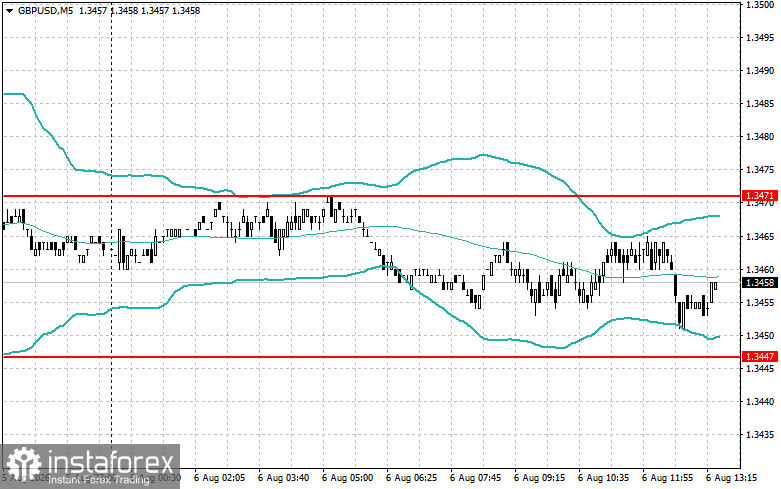
GBP/USD
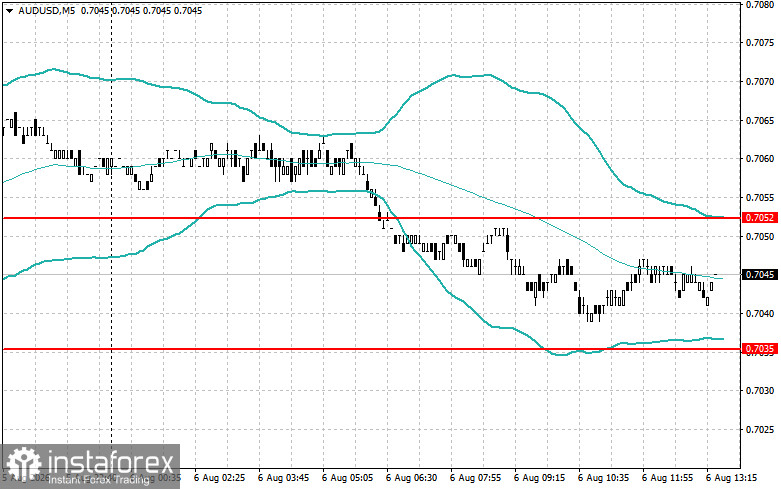
AUD/USD
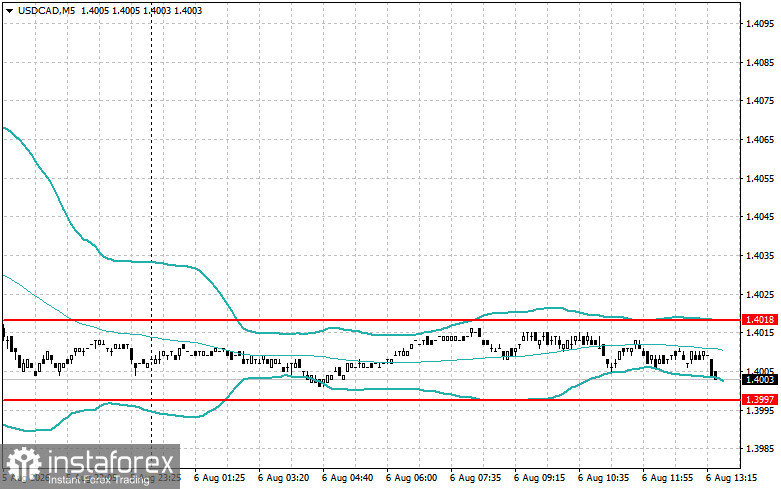
USD/CAD
*تعینات کیا مراد ہے مارکیٹ کے تجزیات یہاں ارسال کیے جاتے ہیں جس کا مقصد آپ کی بیداری بڑھانا ہے، لیکن تجارت کرنے کے لئے ہدایات دینا نہیں.
InstaSpot analytical reviews will make you fully aware of market trends! Being an InstaSpot client, you are provided with a large number of free services for efficient trading.


