




Đội ngũ của chúng tôi có hơn 7,000,000 thương nhân!
Hàng ngày chúng tôi làm việc cùng nhau để cải thiện việc giao dịch. Chúng tôi nhận được kết quả cao và luôn tiến lên phía trước.
Sự công nhận của hàng triệu thương nhân trên toàn thế giới là sự đánh giá tốt nhất cho công việc của chúng tôi! Bạn đã đưa ra quyết định của mình và chúng tôi sẽ làm mọi thứ cần thiết để đáp ứng mong đợi của bạn!
Chúng ta cùng với nhau sẽ là một nhóm tuyệt vời!
InstaSpot. Tự hào làm việc cho bạn!





Diễn viên, nhà vô địch mùa giải UFC 6 và là người hùng thật sự!
Người tự mình làm nên tất cả. Người đàn ông đáng kể học hỏi.
Bí mật đằng sau thành công của Taktarov là sự cố gắng liên tục hướng tới mục tiêu.
Hãy khai phá tất cả các mặt tài năng của bạn!
Khám phá, thử, thất bại - nhưng không bao giờ dừng lại!
InstaSpot. Câu chuyện thành công của bạn bắt đầu từ đây!
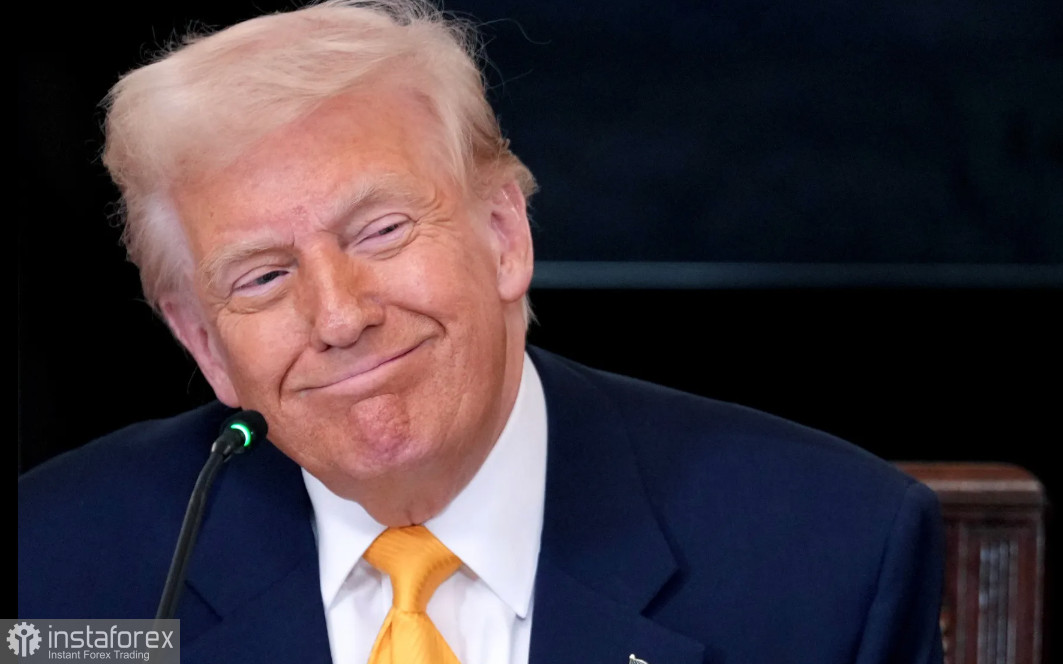
It seems that not everything is as good as Trump claims. According to the University of Michigan report, the consumer sentiment index for May 2026 recorded an absolute historic low since monitoring began in 1952. The final value was 44.8 — down from the preliminary 48.2 and the market forecast of the same 48.2. This marks the third consecutive month of decline. The consumer expectations index fell even further to 44.1, also setting a historical record. For comparison, the previous absolute low was recorded in June 2022 at 50.0 — during the peak of post-COVID inflation. The current figure is 10% lower.
The main reason for this decline is the U.S. conflict with Iran and the blockade of the Strait of Hormuz. The report states that consumer sentiment has been falling for three consecutive months, as supply disruptions in the Strait of Hormuz continue to drive up gasoline prices. 57% of consumers spontaneously identified high prices as the main threat to their personal finances — up from 50% the previous month. About a third mentioned gasoline prices, and 30% cited tariffs.
The most alarming part of the report is the inflation expectations. Yearly expectations rose from 4.7% to 4.8%, while long-term expectations (over 5–10 years) surged from 3.5% to 3.9%, reaching a seven-year high. Before the war, in February, they were only 3.4% and 3.3%, respectively. Critically, consumers no longer believe in the temporary nature of inflation: they expect price increases to spread far beyond fuel. When long-term expectations diverge from the Federal Reserve's 2% target by nearly double, this is no longer just a statistic — it's a structural problem.
For the dollar, this situation creates a sharp contradiction. In the short term, weak sentiment is pressuring the U.S. currency: slowing consumption signals an economic slowdown, prompting markets to price in the risk of a recession. However, in the medium term, the rise in inflation expectations to 4.8% forces the Fed to keep rates high or even raise them, which traditionally supports the dollar. Markets have already fully discounted a rate cut in 2026, with the probability of a rate increase by December estimated at 28-40%.
In the long term, the fate of the dollar is determined by one variable — the Strait of Hormuz. If negotiations with Iran yield results and oil returns to $80-85, inflation will begin to decline, expectations will settle down, and the Fed will gain room to ease, paradoxically weakening the dollar amid good news. If the Strait remains closed and Brent returns to $110, inflation will continue to accelerate, forcing the Fed to tighten policy. All this could lead to another wave of dollar growth.
*Phân tích thị trường được đăng tải ở đây có nghĩa là để gia tăng nhận thức của bạn, nhưng không đưa ra các chỉ dẫn để thực hiện một giao dịch.
InstaSpot analytical reviews will make you fully aware of market trends! Being an InstaSpot client, you are provided with a large number of free services for efficient trading.


