




الأسطورة فى فريق إنستافوركس!
الأسطورة! هل تعتقد أن هذا هو الخطاب المنمق؟ ولكن كيف ينبغي أن نطلق على الرجل، الذي أصبح أول آسيوي يفوز ببطولة العالم للشطرنج للشباب بعمر 18 سنة والذي أصبح أول أستاذ كبير هندي في سن 19؟ وكانت هذه بداية طريق صعب إلى لقب بطل العالم لـ فيسواناثان أناند، الرجل الذي أصبح جزءًا من تاريخ الشطرنج إلى الأبد. والآن أسطورة آخر في فريق إنستافوركس!





يعتبر بوروسيا دورتموند أحد أكثر أندية كرة القدم حصولاً على الألقاب في ألمانيا، وقد أثبت ذلك مرارًا وتكرارًا للجماهير: فإنّ روح المنافسة والقيادة ستؤدي بالتأكيد إلى النجاح. قم بالتداول بنفس الطريقة التي يلعب بها المحترفون الرياضيون اللعبة: بثقة ونشاط. احتفظ بـ "ترخيص دخول" من نادي بوروسيا دورتموند لكرة القدم وكن في الصدارة مع إنستافوركس!
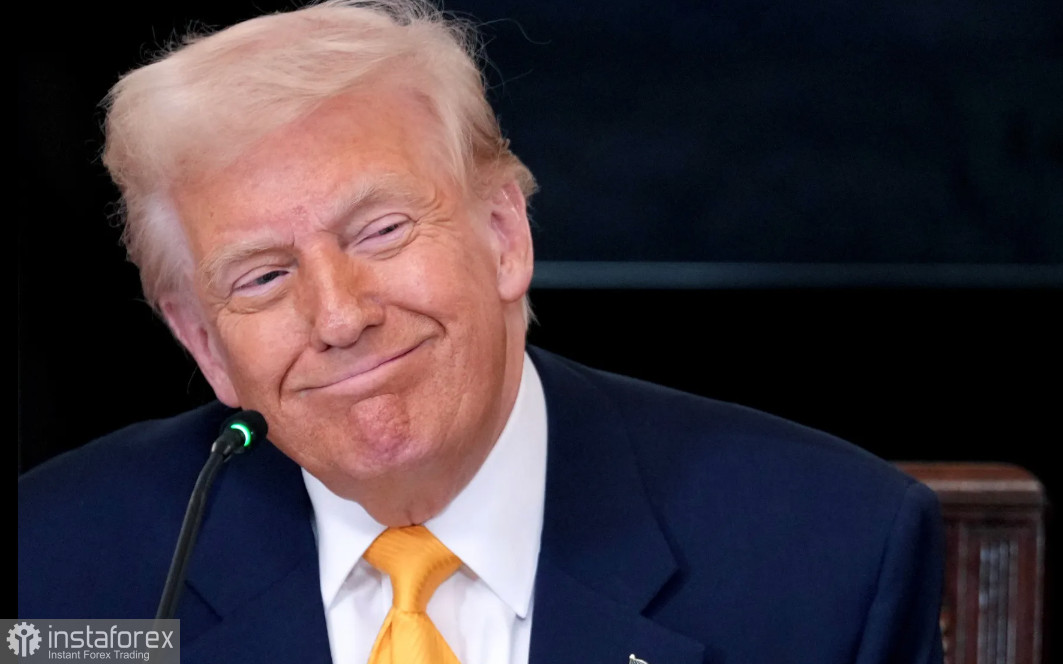
It seems that not everything is as good as Trump claims. According to the University of Michigan report, the consumer sentiment index for May 2026 recorded an absolute historic low since monitoring began in 1952. The final value was 44.8 — down from the preliminary 48.2 and the market forecast of the same 48.2. This marks the third consecutive month of decline. The consumer expectations index fell even further to 44.1, also setting a historical record. For comparison, the previous absolute low was recorded in June 2022 at 50.0 — during the peak of post-COVID inflation. The current figure is 10% lower.
The main reason for this decline is the U.S. conflict with Iran and the blockade of the Strait of Hormuz. The report states that consumer sentiment has been falling for three consecutive months, as supply disruptions in the Strait of Hormuz continue to drive up gasoline prices. 57% of consumers spontaneously identified high prices as the main threat to their personal finances — up from 50% the previous month. About a third mentioned gasoline prices, and 30% cited tariffs.
The most alarming part of the report is the inflation expectations. Yearly expectations rose from 4.7% to 4.8%, while long-term expectations (over 5–10 years) surged from 3.5% to 3.9%, reaching a seven-year high. Before the war, in February, they were only 3.4% and 3.3%, respectively. Critically, consumers no longer believe in the temporary nature of inflation: they expect price increases to spread far beyond fuel. When long-term expectations diverge from the Federal Reserve's 2% target by nearly double, this is no longer just a statistic — it's a structural problem.
For the dollar, this situation creates a sharp contradiction. In the short term, weak sentiment is pressuring the U.S. currency: slowing consumption signals an economic slowdown, prompting markets to price in the risk of a recession. However, in the medium term, the rise in inflation expectations to 4.8% forces the Fed to keep rates high or even raise them, which traditionally supports the dollar. Markets have already fully discounted a rate cut in 2026, with the probability of a rate increase by December estimated at 28-40%.
In the long term, the fate of the dollar is determined by one variable — the Strait of Hormuz. If negotiations with Iran yield results and oil returns to $80-85, inflation will begin to decline, expectations will settle down, and the Fed will gain room to ease, paradoxically weakening the dollar amid good news. If the Strait remains closed and Brent returns to $110, inflation will continue to accelerate, forcing the Fed to tighten policy. All this could lead to another wave of dollar growth.
*The market analysis posted here is meant to increase your awareness, but not to give instructions to make a trade.
InstaSpot analytical reviews will make you fully aware of market trends! Being an InstaSpot client, you are provided with a large number of free services for efficient trading.


