




¡La leyenda en el equipo de InstaSpot!
¡Leyenda! ¿Cree que es una retórica grandilocuente? Pero, ¿cómo deberíamos llamar a un hombre, que se convirtió en el primer asiático en ganar el campeonato mundial de ajedrez júnior a los 18 años y en el primer Gran Maestro indio a los 19 años? Ese fue el comienzo de un camino difícil hacia el título de Campeón del Mundo para Viswanathan Anand, el hombre que se convirtió en parte de la historia del ajedrez para siempre. ¡Ahora una leyenda más en el equipo de InstaSpot!





Borussia es uno de los clubes de fútbol con más títulos en Alemania, que ha demostrado repetidamente a los fanáticos: el espíritu de competencia y liderazgo que ciertamente conducirán al éxito. Opere de la misma manera que los profesionales del deporte: con confianza y de forma activa. ¡Mantenga un "pase" del Borussia FC y lidere con InstaSpot!
Oil rose after reports that the White House asked the Pentagon to prepare options for strikes on Iran that could be carried out before the midterm elections. Brent is already up about 2.7% to $104/bbl, and WTI has gained 2.3% to trade near $91.
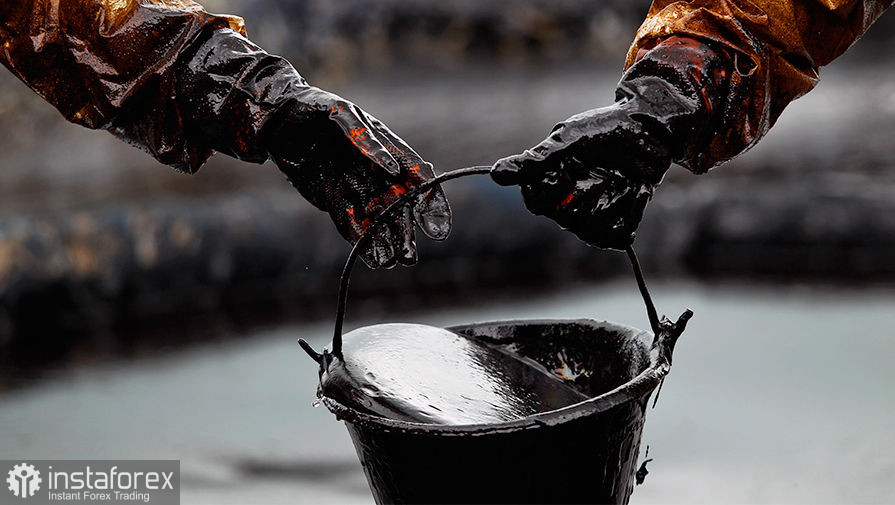
The report that strike options are being prepared runs counter to the widespread view that Donald Trump would avoid escalating the conflict with Tehran before next month's vote. It is clear, however, that the scale and targets of any possible strikes — and the decision whether to move forward — are still being discussed, and a limited operation could be followed by more serious action after the election. That nuance matters: markets previously assumed that oil would be expensive but predictable; now the price includes the risk of escalation at a politically sensitive moment for U.S. voters.
Weather added pressure. Producers in the Gulf of Mexico shut in more than 510,000 b/d — roughly a quarter of regional output — because of approaching Tropical Storm Isaias, which later strengthened to a hurricane. It is expected to reach the northern Gulf coast Friday evening. For Brent, this supports prices through a refined-product squeeze — diesel inventories are already near lows.
But Hormuz remains the key choke point. U.S. Central Command said about 20 million barrels per day of oil flow through the strait (without specifying the period), roughly equal to pre-war volumes and higher than some industry estimates this week. Recently, Vitol's CEO mentioned about 12 million b/d, and Shell's chief said roughly 80% of pre-war deliveries. Such discrepancies explain why the market is skeptical of headlines.
Logistics experts note that hiring a very large crude carrier to ship U.S. oil to Asia now costs $77 million, versus an average of $9.2 million last year — nearly 8.5 times more. Citi called freight "astronomical," saying the market prices in shortage, fragile supply and geopolitical risk, not just headline export figures.
Attacks on vessels continue. According to UKMTO, a tanker was struck off Qatar's coast yesterday with casualties — the first registered attack deep in the Persian Gulf in about a month. Yemen remains a flashpoint: Iran-aligned Houthis hit two Saudi airports, killing three people, and the Riyadh-led coalition said it destroyed 82 targets in response. Fighting around the Bab-el-Mandeb Strait revives concerns about Saudi exports via the Red Sea, which has become a major bypass for Hormuz.
My view: the next sessions should trade roughly in a $100–$105 Brent range, and any confirmation that strikes will occur would quickly push the price back above $105. If the hurricane misses major platforms and production is restored, part of the risk premium should fade, but high freight rates and a diesel shortage will likely keep Brent near $100. For inflation, that is bad news: it reduces room for a Fed pause and supports December-hike expectations. The final answer will be political: until the White House decides on strikes, the market will keep paying for fear.
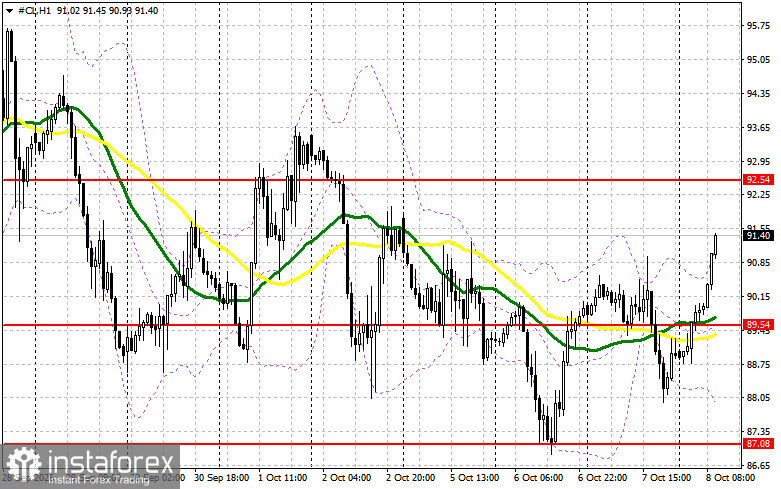
Technical picture for oil: buyers need to take the near resistance at $92 to target $96, above which a breakout will be difficult. The farthest target is the $100 area. On the downside, bears will try to seize $89; if they succeed, a range break would deal a serious blow to bulls and push oil toward $87, with a prospect of moving down to $83.
*El análisis de mercado publicado aquí tiene la finalidad de incrementar su conocimiento, más no darle instrucciones para realizar una operación.
¡Los informes analíticos de InstaSpot lo mantendrá bien informado de las tendencias del mercado! Al ser un cliente de InstaSpot, se le proporciona una gran cantidad de servicios gratuitos para una operación eficiente.


