




¡La leyenda en el equipo de InstaSpot!
¡Leyenda! ¿Cree que es una retórica grandilocuente? Pero, ¿cómo deberíamos llamar a un hombre, que se convirtió en el primer asiático en ganar el campeonato mundial de ajedrez júnior a los 18 años y en el primer Gran Maestro indio a los 19 años? Ese fue el comienzo de un camino difícil hacia el título de Campeón del Mundo para Viswanathan Anand, el hombre que se convirtió en parte de la historia del ajedrez para siempre. ¡Ahora una leyenda más en el equipo de InstaSpot!





Borussia es uno de los clubes de fútbol con más títulos en Alemania, que ha demostrado repetidamente a los fanáticos: el espíritu de competencia y liderazgo que ciertamente conducirán al éxito. Opere de la misma manera que los profesionales del deporte: con confianza y de forma activa. ¡Mantenga un "pase" del Borussia FC y lidere con InstaSpot!
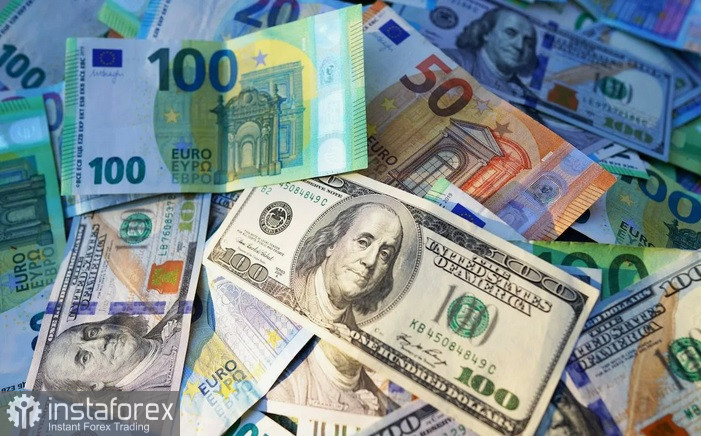
Why do higher oil prices and the US status as a net oil exporter support the dollar against the euro?
Higher oil prices and the United States' status as a net oil exporter strengthen the dollar relative to the euro. This happens because improved trade conditions for the US, slow price adjustments, and central banks' commitment to inflation targets force the nominal EUR/USD exchange rate to bear most of the adjustment burden. This also leaves room for a reversal if oil prices decline.
The United States is now a net exporter of oil, unlike the eurozone, which remains a net importer. When oil prices rise, all else being equal, the US gains an advantage in trade—American export prices rise faster than prices in the eurozone.
If the price of US oil exports surges relative to prices in the eurozone, Americans' disposable income increases significantly, because Europeans will end up paying more for the essential oil they import from the United States.
As a result, the real exchange rate is determined by two elements:
In theory, adjustment could occur through both channels. However, in most Western countries, central banks aim to keep inflation at a specific target. Because of this, price adjustments occur very slowly. As a result, the nominal exchange rate carries the main burden of adjustment, bringing the system back toward equilibrium. This implies that the nominal exchange rate is likely to rise.
The terms-of-trade effect is likely the main reason for the strong strengthening of the US dollar. The fact that the US is now a net exporter of oil also indirectly means better protection for energy-intensive industries in the US compared with Europe. Consequently, economic growth in the US is expected to be more resilient.
Exchange rates adjust faster than prices and have already incorporated changes in trade dynamics. However, if the conflict ends earlier than expected and the rise in oil prices proves temporary, the effect could quickly reverse.
In other words, if oil prices decline, the EUR/USD pair could quickly return to its previous levels and may even surge to higher ones.
For now, however, the fundamental backdrop suggests further downside for the pair. From a technical perspective, oscillators remain in negative territory, confirming the advantage of bears in the market. At the same time, the Relative Strength Index (RSI) has moved into the oversold zone, suggesting the possibility of some consolidation.
*El análisis de mercado publicado aquí tiene la finalidad de incrementar su conocimiento, más no darle instrucciones para realizar una operación.
¡Los informes analíticos de InstaSpot lo mantendrá bien informado de las tendencias del mercado! Al ser un cliente de InstaSpot, se le proporciona una gran cantidad de servicios gratuitos para una operación eficiente.


