




¡Nuestro equipo cuenta con más de 7,000,000 operadores!
Cada día, trabajamos juntos para mejorar las operaciones. Obtenemos grandes resultados y seguimos adelante.
El reconocimiento de millones de operadores en todo el mundo es el mejor agradecimiento a nuestro trabajo! ¡Usted hizo su elección y haremos todo lo que esté a nuestro alcance para satisfacer sus expectativas!
¡Juntos somos un gran equipo!
InstaSpot. ¡Orgulloso de trabajar para usted!





¡Actor, 6 veces ganador del torneo UFC y un verdadero héroe!
El hombre que se hizo a sí mismo. El hombre que sigue nuestro camino.
El secreto detrás del éxito de Taktarov es el constante movimiento hacia el objetivo.
¡Revele todo los lados de su talento!
Descubra, intente, fracase, ¡pero nunca se rinda!
InstaSpot. ¡Su historia de éxito comienza aquí!
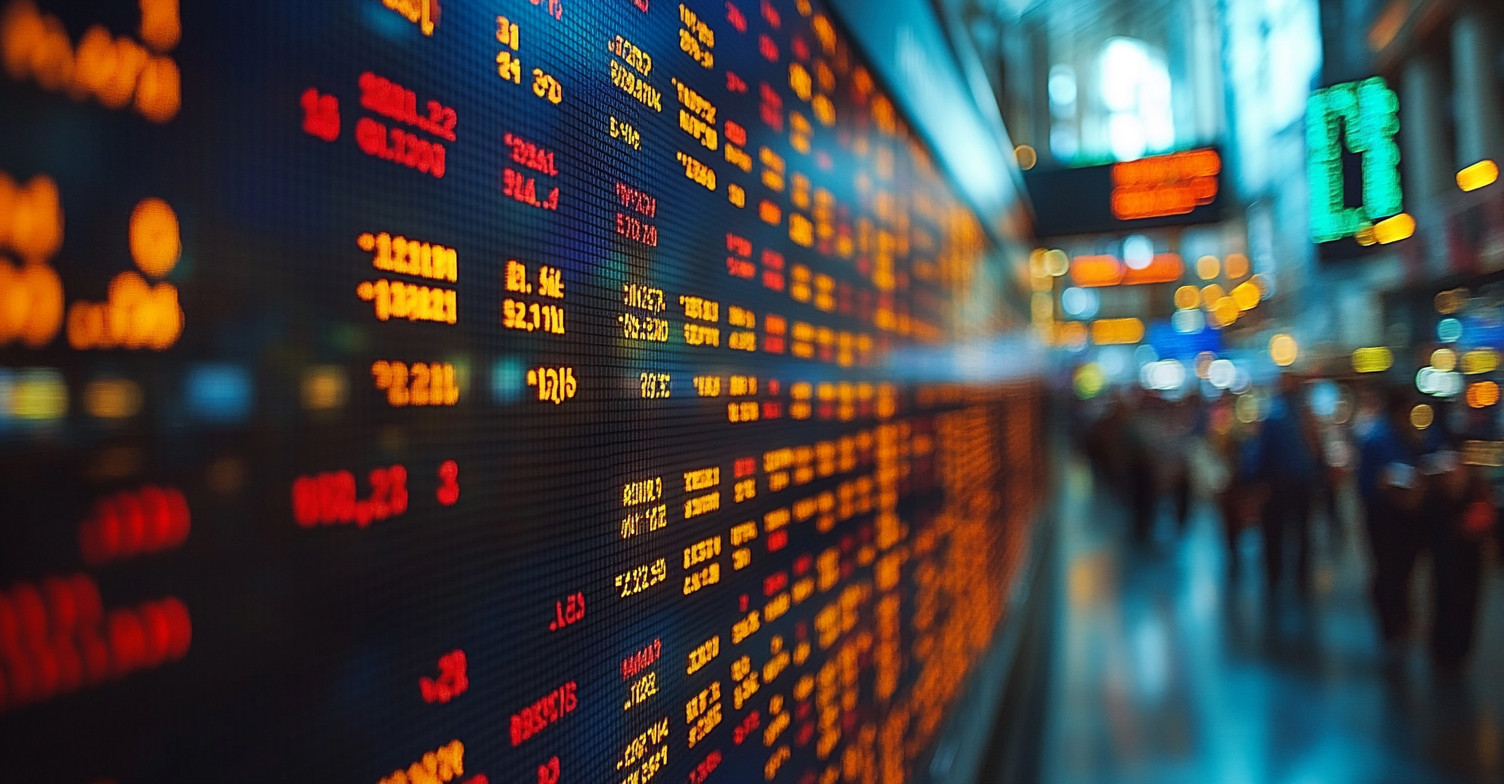
The stock market has been shaken again: concerned investors are mass-selling technology stocks, the VIX (the so-called "fear index") is spiking, and traders hold their breath, waiting for another potential Black Tuesday.
This Monday, the stock exchanges showcased far from technological progress; instead, it was more of an emotional regression. The S&P 500 lost 0.92%, closing at 6,672.41. The Nasdaq Composite fell by 0.84%, while the Dow Jones Industrial Average experienced an even sharper decline of 1.18%.
If you felt a slight anxiety, you are not alone: the VIX volatility index surged by 12.86%, reaching 22.38 – its highest level since October. It became clear: the markets have once again been engulfed by a wave of fears, intensified ahead of the upcoming quarterly reports.
Meanwhile, on the other side of the globe, alarms went off in Asia. On Tuesday morning, the Japanese Nikkei 225 and South Korea's KOSPI both plummeted by about 3%, adding fuel to the global "tech crisis."
Investors are anxiously awaiting tomorrow's third-quarter report from Nvidia: the forecast estimates earnings per share at $1.25 with revenue of $54.8 billion. This represents a 54% and 56% increase compared to the previous year. It seems there are reasons for optimism. But...
Unfortunately, news that the Thiel Macro fund (founded by tech investor Peter Thiel) exited its position in Nvidia entirely in the third quarter, selling off 537,742 shares, has dampened enthusiasm. Additionally, a Japanese institutional giant quietly but decisively parted ways with its $5.83 billion stake in Nvidia this October. It's no surprise that on Monday, shares of the graphics giant fell by 2%.
Another victim of the panic is Dell Technologies and Hewlett Packard Enterprise. After Morgan Stanley downgraded the ratings of these stocks due to rising memory prices (and not just in terms of hardware), the companies' shares plummeted by 8% and 7%, respectively. The market seems to hope that investors will have short memories; otherwise, pain may linger for a long time.
Bitcoin was not spared from the drama of Monday. Its price fell below $90,000 on Tuesday for the first time since April 22. This marks an almost 30% drop from the October peak of $126,000. According to the grim logic of the market, this decline is quite explainable: the risks outweigh the rewards, and pessimism is spreading from the crypto sphere to the entire market.
Amid the general nervousness, Amazon managed to score big – $15 billion from its first dollar bond issuance in three years. The success was fueled by fierce investor interest: demand peaked at $80 billion. The new loan will go towards infrastructure and artificial intelligence investments. At least someone continues to believe in a "bright AI future"!
Meanwhile, the European Commission has decided to tighten its oversight of cloud services from Amazon and Microsoft. Although the companies do not formally exceed the established thresholds, regulators want to determine whether they have become "gatekeepers" – in the sense that the clouds belong to them while the rain falls on everyone else.
While most stocks are falling, Alphabet unexpectedly saw a rise – up 3% after news broke that Warren Buffett's Berkshire Hathaway acquired 17.9 million shares of the company for $4.3 billion. However, Alphabet's CEO Sundar Pichai dampened the euphoria: on Tuesday, he told the BBC that if the AI bubble bursts, "no company, including us, will be protected." A seriousness bordering on philosophy.
Blue Owl did not fare well either. In pre-market trading, its shares dropped 3%. The reason: it froze buybacks from one of its private credit funds amid an impending merger. Participation in Meta's project to build a data center in Louisiana did not improve the situation; concerns about illiquidity in the private credit space worry investors just as much as Nvidia.
What does this mean for traders?
The current market events present a real feast for experienced traders, especially those favoring short-term strategies. During periods of high volatility, the potential for trading on price fluctuations increases: whether it's shorting Dell shares or the Nasdaq following their decline, or buying options on Nvidia ahead of its report—the opportunities are growing along with the VIX index.
Moreover, such sharp fluctuations serve as a loud signal to "stay alert." Reversals can bring either sudden profits or painful losses.
¡Los informes analíticos de InstaSpot lo mantendrá bien informado de las tendencias del mercado! Al ser un cliente de InstaSpot, se le proporciona una gran cantidad de servicios gratuitos para una operación eficiente.


