




¡La leyenda en el equipo de InstaSpot!
¡Leyenda! ¿Cree que es una retórica grandilocuente? Pero, ¿cómo deberíamos llamar a un hombre, que se convirtió en el primer asiático en ganar el campeonato mundial de ajedrez júnior a los 18 años y en el primer Gran Maestro indio a los 19 años? Ese fue el comienzo de un camino difícil hacia el título de Campeón del Mundo para Viswanathan Anand, el hombre que se convirtió en parte de la historia del ajedrez para siempre. ¡Ahora una leyenda más en el equipo de InstaSpot!





Borussia es uno de los clubes de fútbol con más títulos en Alemania, que ha demostrado repetidamente a los fanáticos: el espíritu de competencia y liderazgo que ciertamente conducirán al éxito. Opere de la misma manera que los profesionales del deporte: con confianza y de forma activa. ¡Mantenga un "pase" del Borussia FC y lidere con InstaSpot!
Oil prices in early November have slightly recovered after a prolonged decline. Investors, tired of discussions about oversupply, finally received a signal to take a breather: sanctions against Russian companies are now noticeably affecting supply levels. This has somewhat eased fears of an oversaturated market, although fundamentally, the situation remains ambiguous.
After three months of falling prices, oil quotes have finally moved upwards. Brent rose by 0.6%, reaching $63.87 per barrel, while U.S. WTI increased by 0.7% to $59.99. This is a slight but symbolic rebound: previous weeks ended in the red, with prices hitting two-week lows.
The main supporting factor is geopolitics. Sanctions imposed on the largest Russian companies have started to affect export flows. Foreign assets of one key company are experiencing difficulties with transactions and transportation, raising concerns about supply disruptions. The market reacted instantly—though not with a surge, at least it halted the decline.
However, traders remain skeptical about the long-term effectiveness of sanctions. Yes, they create short-term volatility, but they cannot break the overall trend. In practice, the fundamentals remain unchanged: supply is increasing while demand is lagging.
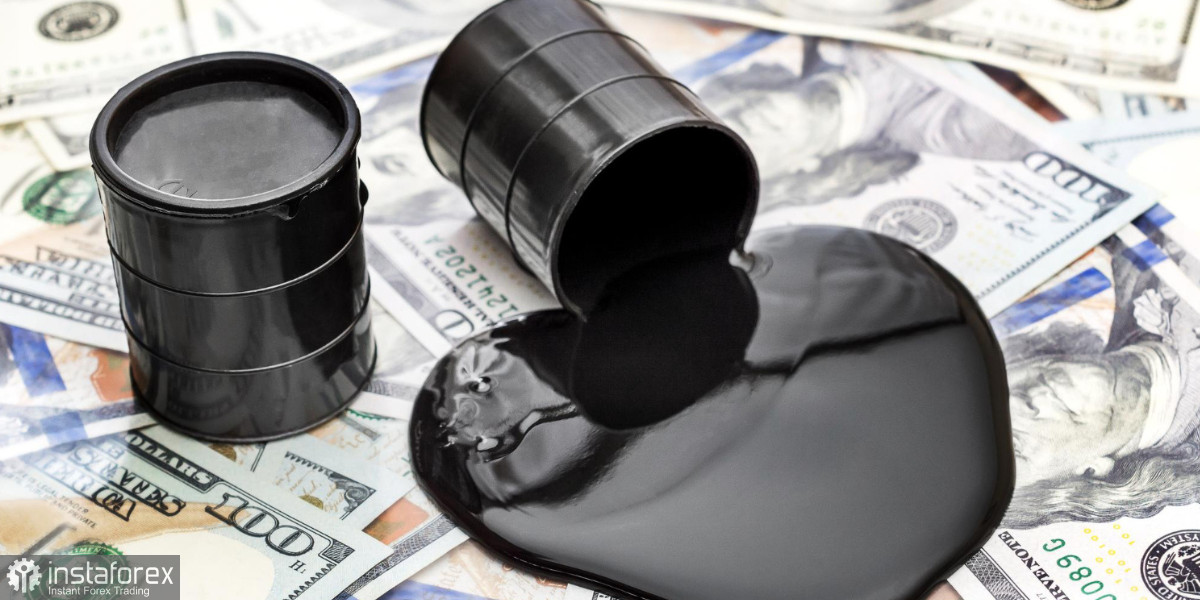
October marked the third consecutive month of price declines. The reason is clear: OPEC and its allies continue to increase production, and production is also rising among non-OPEC players, creating significant pressure on the market.
According to Haitong Securities, OPEC+'s decision to freeze plans for increasing production in the first quarter of 2026 helped slightly stabilize the market. Without this move, the decline could have been deeper. However, even with restrictions in place, oversupply remains. For instance, U.S. inventories increased by 5.2 million barrels last week, reaching 421.2 million. This is a direct signal for the market: there is too much oil.
Additional pressure comes from Saudi Arabia. The kingdom unexpectedly lowered oil export prices to Asia, the largest and most price-sensitive region. This move indicates a willingness to compete for market share, even if it means temporarily sacrificing profit.
If supply is flooding the market, demand is clearly stalling. In the year ending November 4, global oil consumption increased by only 850,000 barrels per day, while expectations were higher—close to 900,000. This small discrepancy might seem insignificant, but in a market where every extra barrel counts, it matters.
The situation in the U.S. is particularly concerning. High-frequency indicators show that transportation activity and container shipping volumes remain weak. This means that domestic fuel consumption is not growing, leaving no foundation for a robust price recovery.
As long as demand does not revive, any short-term spikes in oil prices will be viewed as technical rebounds rather than the beginning of a new growth cycle.
Analysts are increasingly suggesting that oil may struggle to break out of its current range. Even with sanctions against Russia and potential cuts from OPEC+, weak demand is dragging prices down.
Short-term outlooks are pessimistic: Brent is expected to fall to $60 per barrel by the end of 2025, and to $50 by the end of 2026.
Such a forecast reflects reality: as long as global economic growth remains sluggish and alternative energy sources develop, the oil market is losing its drivers. Even geopolitics, which once could cause price spikes, today has only a short-term impact.
The rise in oil prices in early November is more of a respite than a turning point. Sanctions have created a temporary spike in interest, but the fundamental backdrop remains weak: production is increasing, demand is lagging, and inventories continue to grow.
The market is moving toward a new balance, where a price around $60 per barrel seems increasingly natural. Oil is no longer reacting to news as vigorously as before. Investors are waiting for clear signs of a trend change, and until then, they are trading cautiously over short distances, doubting long-term growth.
Oil remains in a waiting zone. While it gained slightly in price this week, the market clearly indicates that it is too early for a significant upward movement.
¡Los informes analíticos de InstaSpot lo mantendrá bien informado de las tendencias del mercado! Al ser un cliente de InstaSpot, se le proporciona una gran cantidad de servicios gratuitos para una operación eficiente.


