



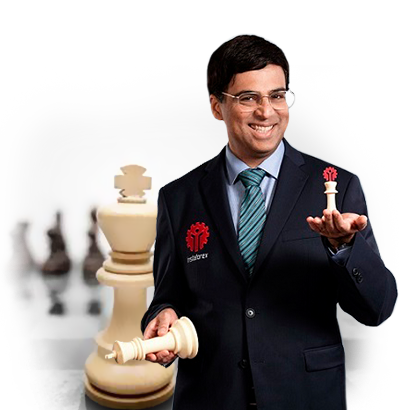
¡La leyenda en el equipo de InstaSpot!
¡Leyenda! ¿Cree que es una retórica grandilocuente? Pero, ¿cómo deberíamos llamar a un hombre, que se convirtió en el primer asiático en ganar el campeonato mundial de ajedrez júnior a los 18 años y en el primer Gran Maestro indio a los 19 años? Ese fue el comienzo de un camino difícil hacia el título de Campeón del Mundo para Viswanathan Anand, el hombre que se convirtió en parte de la historia del ajedrez para siempre. ¡Ahora una leyenda más en el equipo de InstaSpot!





Borussia es uno de los clubes de fútbol con más títulos en Alemania, que ha demostrado repetidamente a los fanáticos: el espíritu de competencia y liderazgo que ciertamente conducirán al éxito. Opere de la misma manera que los profesionales del deporte: con confianza y de forma activa. ¡Mantenga un "pase" del Borussia FC y lidere con InstaSpot!
Donald Trump doesn't see a recession, but that isn't helping the S&P 500. The broad stock index has reacted sharply to tensions between Ontario, Canada, which threatened to impose a 25% tariff on electricity exports to the U.S.—potentially leaving millions of Americans without power—and the White House. Trump responded by raising tariffs on imported steel and aluminum from 25% to 50%, followed by a subsequent reconciliation. However, the ordeal severely rattled nerves and further increased market volatility.
Markets rise on expectations, or rather, on speculation. The S&P 500 rally to February highs was driven by two theories: that Trump's tariff threats were merely a negotiating tactic and that the U.S. president would eventually throw the stock market a lifeline. Neither theory has materialized as spring unfolds.
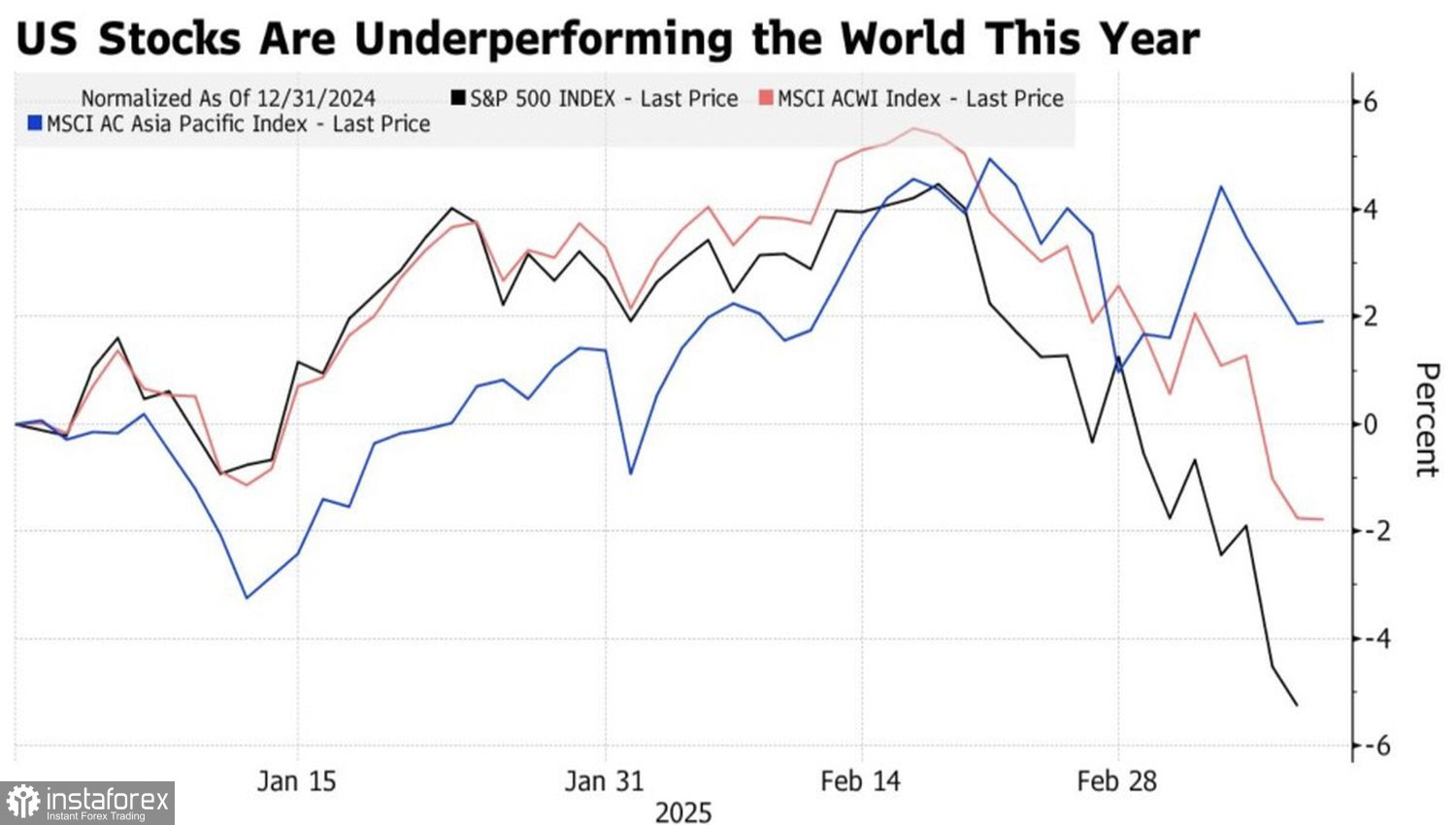
Tariffs are already high and could rise even further. Trump's speeches suggest he is willing to sacrifice the stock market to achieve his ultimate goal—making America great again. Fears that this strategy might fail are driving capital out of the U.S., leaving the S&P 500 lagging behind its major global competitors.
Stock Index Performance
According to Trump, markets will go up or down, but the priority is to restore the country by bringing factories and industries back to the U.S. Other countries have taken American businesses and jobs, and it's time to reclaim them. The president does not see a recession and expects an economic boom.
Markets aren't buying it. Goldman Sachs has lowered its year-end forecast for the S&P 500 from 6,500 to 6,200, citing a cooling U.S. economy, potentially higher tariff rates, and greater uncertainty. The latter typically leads to a higher risk premium on stocks.
If Trump doesn't support the S&P 500, could the Federal Reserve step in? Derivatives markets have increased their expectations for monetary easing by the end of the year, now pricing in a total rate cut of 80 basis points, up from 60 basis points just a week ago. However, BNP Paribas warns that investors may face disappointment here as well. The Fed, facing both an approaching recession and persistently high inflation, is likely to delay further rate cuts, preferring a wait-and-see approach.
The only silver lining is that historically, a 10% decline in the S&P 500 has only deepened into a 20% drop when one of three conditions was met: an economic downturn, an earnings recession, or aggressive Fed tightening. None of these factors are currently present, suggesting that the bottom for the U.S. stock market may be near.
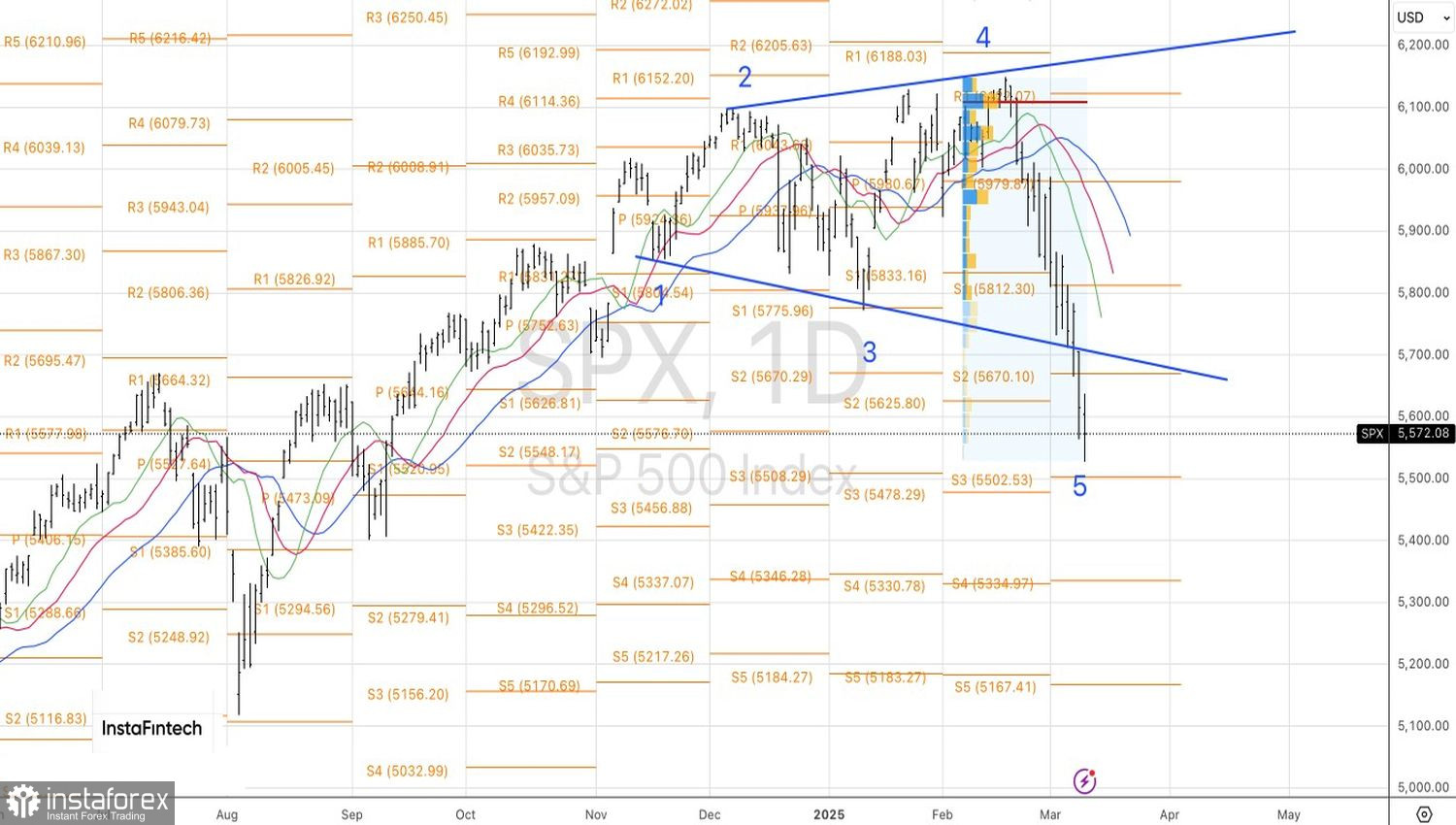
Technically, the S&P 500 continues to follow an Expanding Wedge pattern on the daily chart. The strategy remains the same—focus on selling opportunities and use rebounds from resistance at 5,670 and 5,750 to establish short positions on the broad equity index.
*El análisis de mercado publicado aquí tiene la finalidad de incrementar su conocimiento, más no darle instrucciones para realizar una operación.
¡Los informes analíticos de InstaSpot lo mantendrá bien informado de las tendencias del mercado! Al ser un cliente de InstaSpot, se le proporciona una gran cantidad de servicios gratuitos para una operación eficiente.


