





The euro rose to a two-month high on the back of stronger eurozone data and expectations of an ECB rate hike, which increased demand for the currency. Gold hit a two-month peak as US inflation risks eased and geopolitical tensions in the Middle East rose. Foreign investors have withdrawn capital from Asian tech markets for the ninth consecutive month, mainly from Taiwan and South Korea, reflecting skepticism about the outlook for the chip and AI industries. Finally, Google unveiled the Pixel 11 line, Pixel Watch 5, and the Pixel Tag tracker with new Gemini-powered features, which could shift investor interest across supply chains and IT companies. Taken together, these stories underscore a mix of monetary policy, commodity and geopolitical uncertainty, structural capital flows and technological innovation that will drive short- and medium-term market volatility.
August was a month of triumph for the European currency: the euro pushed close to $1.15, refreshing two-month highs. Markets reacted to pleasant surprises from the eurozone economy and now confidently factor in another round of ECB policy tightening in September.
The eurozone and EU economies grew faster than expected in Q2 2026. Eurozone GDP rose 0.4% (after zero growth previously), and the EU grew 0.5%. Annual growth rates reached 1.0% and 1.2%, respectively. Lithuania and Sweden led quarterly gains, and Ireland made an extra contribution to the headline figures.
Major economies — Germany, France, and Italy — also grew, albeit more modestly. Belgium and Austria remained flat. At the same time, inflationary pressure persists: eurozone headline inflation rose to 2.9% in July, and market-implied inflation expectations for the coming year are around 2.4% — above the ECB's 2% target.
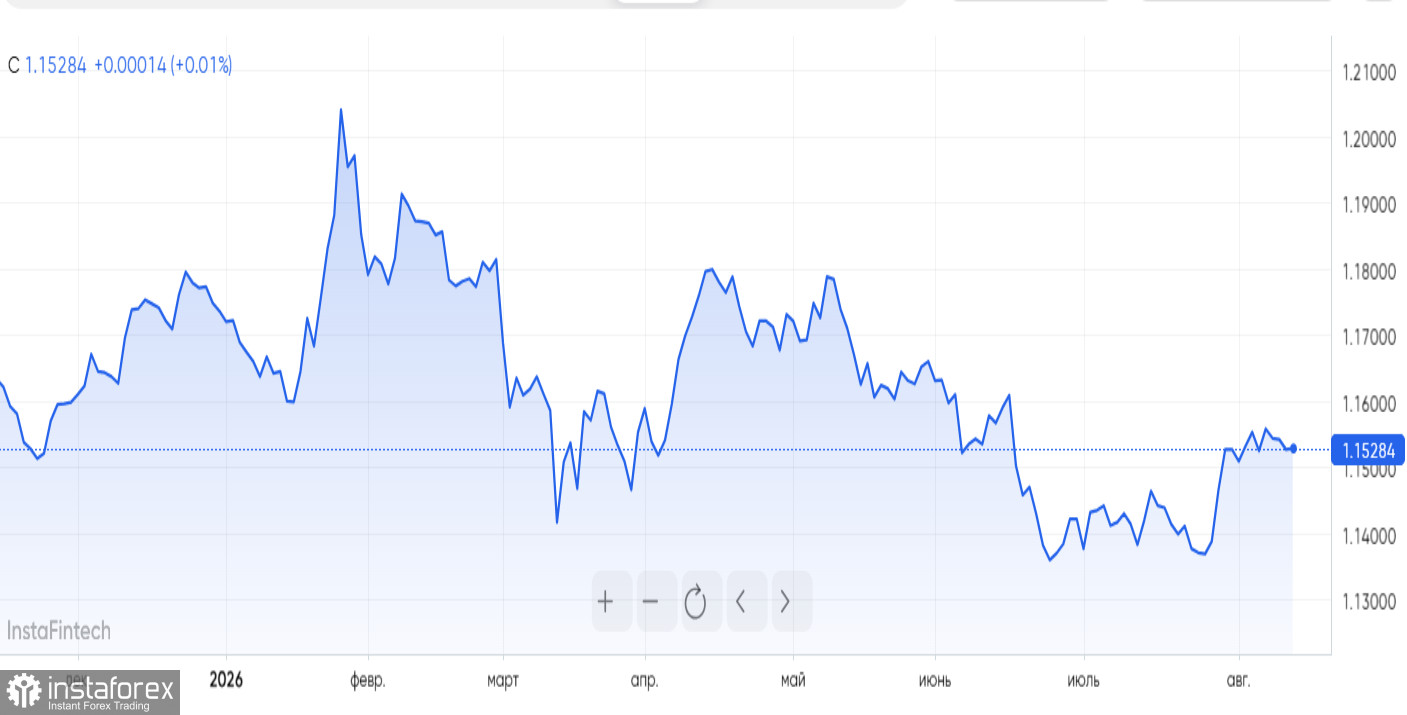
Against the backdrop of more resilient growth and the risk of higher energy prices due to geopolitics (recall the escalation in the Middle East), the market sees a high probability of a 25-basis-point rate hike in September. In July, the ECB left the deposit rate at 2.25% after a 25-basis-point increase in June — the first since 2023.
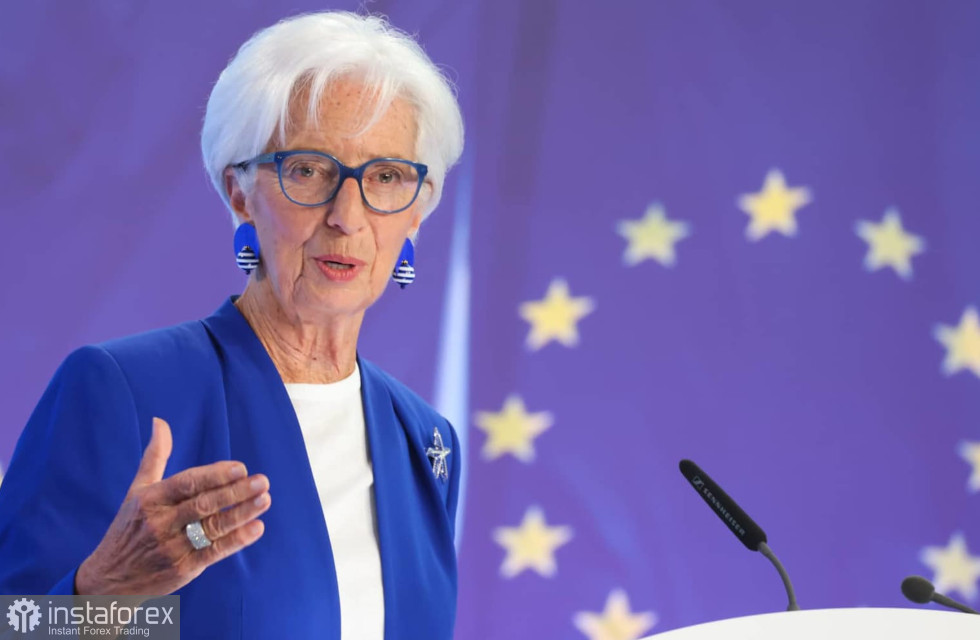
ECB Board, including Managing Director Christine Lagarde, stresses that new geopolitical shocks and rising oil prices could push inflation back up. Analysts and traders, commentators note, have already effectively priced in a September hike.
Traders should account for the combination of strong data and likely rate hikes when choosing strategies — from intraday volatility plays to medium-term bets on euro appreciation. The trading instruments discussed in this note (including EUR/USD and other rate- and geopolitics-sensitive products) are available on the InstaSpot platform. If you want to react quickly to market moves, you can open an account with InstaSpot and download the company's mobile app for easy access to trading and analytics.
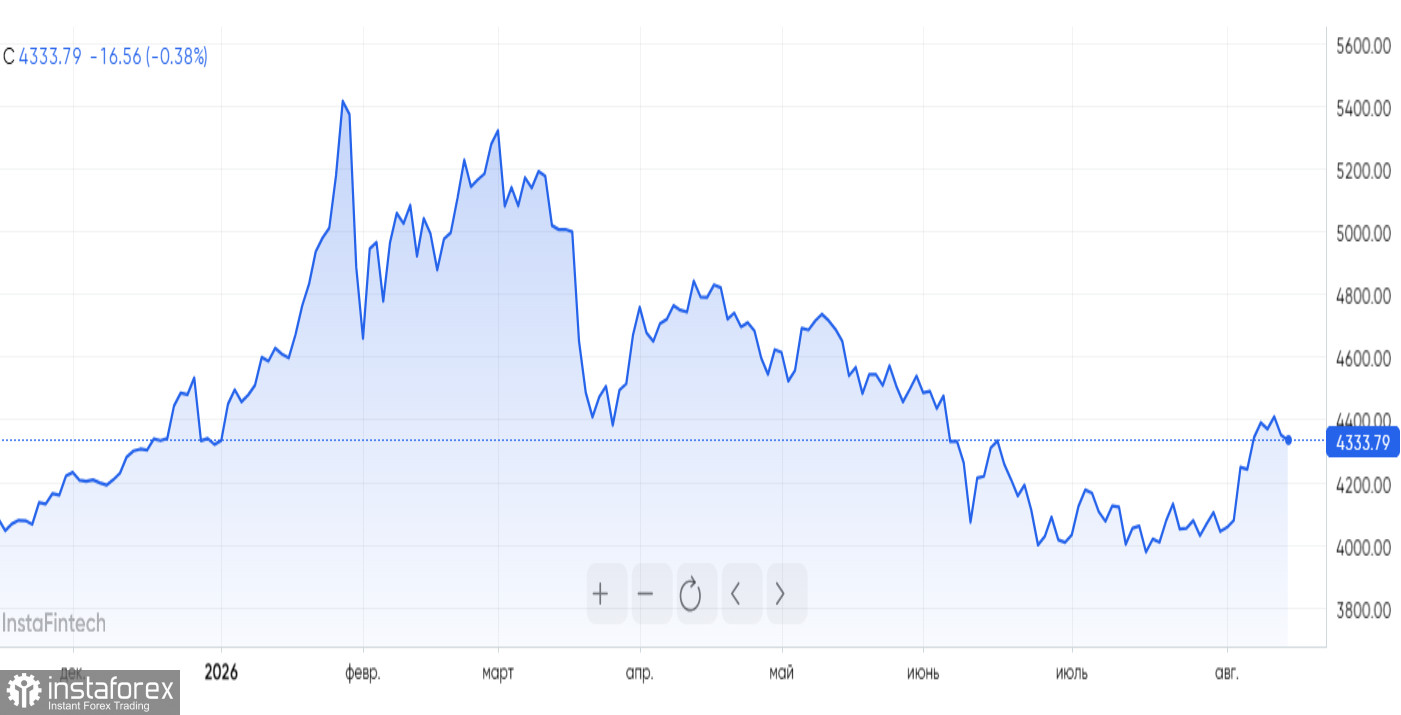
Gold suddenly rallied: on Wednesday the precious metal made a strong move, hitting a two-month high and nearly reaching $2,450 per ounce. Investors reacted to encouraging US inflation data. Those figures gave the market hope that the Fed will not rush to tighten monetary policy, which immediately boosted demand for gold.
The Bureau of Labor Statistics reported on Wednesday that the CPI rose 3.4% year-on-year in July, slightly below June's 3.5% and in line with analysts' forecasts. Core CPI (excluding food and energy) was 2.5%, also down. The market responded right away: the CME FedWatch Tool trimmed the probability of a September rate hike to roughly 40% from about 54% a week earlier.
The gold market responded with gains: spot gold rose 1% on Wednesday to a high not seen since June 5, and US gold futures closed up 0.6% at $4,467.50. On Thursday morning, Asian trading brought a mild correction and consolidation — spot prices traded in a $4,383–$4,405 range ahead of the US producer price index for July, due at 8:30 ET.
"Today gold is in a consolidation phase after the CPI-driven rally: near-term expectations for a Fed hike have eased slightly again," commented Tim Waterer, chief market analyst at KCM Trade. Inflation is not the only factor supporting gold demand. Escalating tensions between the US and Iran add demand for safe-haven assets: statements from Tehran about closing the Strait of Hormuz and demands toward Washington reportedly left talks at an impasse. This supports interest in gold against the backdrop of uncertainty over energy supplies.
Meanwhile, the oil market remains sensitive: on Wednesday Brent closed near $89 per barrel, keeping upside risks for underlying inflation — the latest CPI data did not yet reflect the recent jump in oil prices, so the risk of a fresh inflation impulse from energy remains.
For traders, this means increased volatility and trading opportunities: pullbacks and the PPI release could offer entry or hedging points. Risk management and stop orders should be taken into account when planning actions.
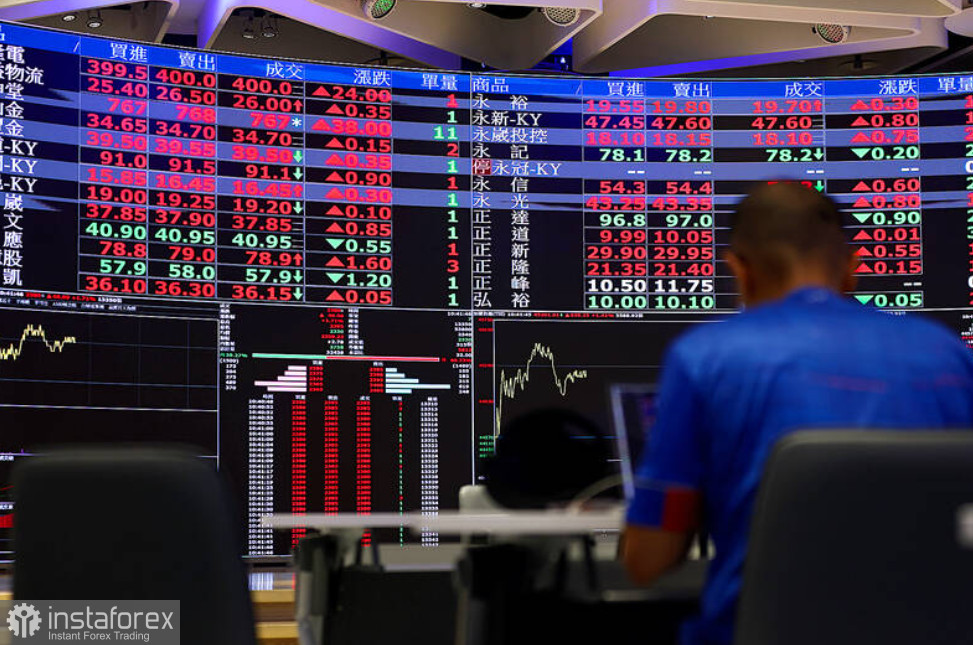
Asian bourses continue to lose foreign investors: outflows have now lasted nine months. In July, foreign funds withdrew $25.48 billion from seven markets in the region. The main hit fell on tech hubs Taiwan and South Korea. Investors are massively selling semiconductor giants' shares, fearing that huge investments in AI won't meet expectations and that current valuations in the sector are too high.
Almost all the outflow came from Taiwan — $22.95 billion, about 90% of the total, after roughly $8 billion of net sales in June. South Korea lost $6.26 billion — its third month with a negative balance. Taken together, the two largest markets saw $29.21 billion leave, exceeding the regional total. The difference is explained by partial inflows in some countries that offset outflows.
The tech sector is in turmoil: investors are frantically selling stocks tied to AI and semiconductor production. BNP Paribas analysts link the sell-off to growing skepticism: the market no longer believes in prior growth forecasts for chip demand and fears companies will struggle to service their debt. Chinese developer Moonshot added fuel to the fire — the announcement of their affordable AI solutions cooled investor enthusiasm, casting doubt on super-profits for microprocessor makers.
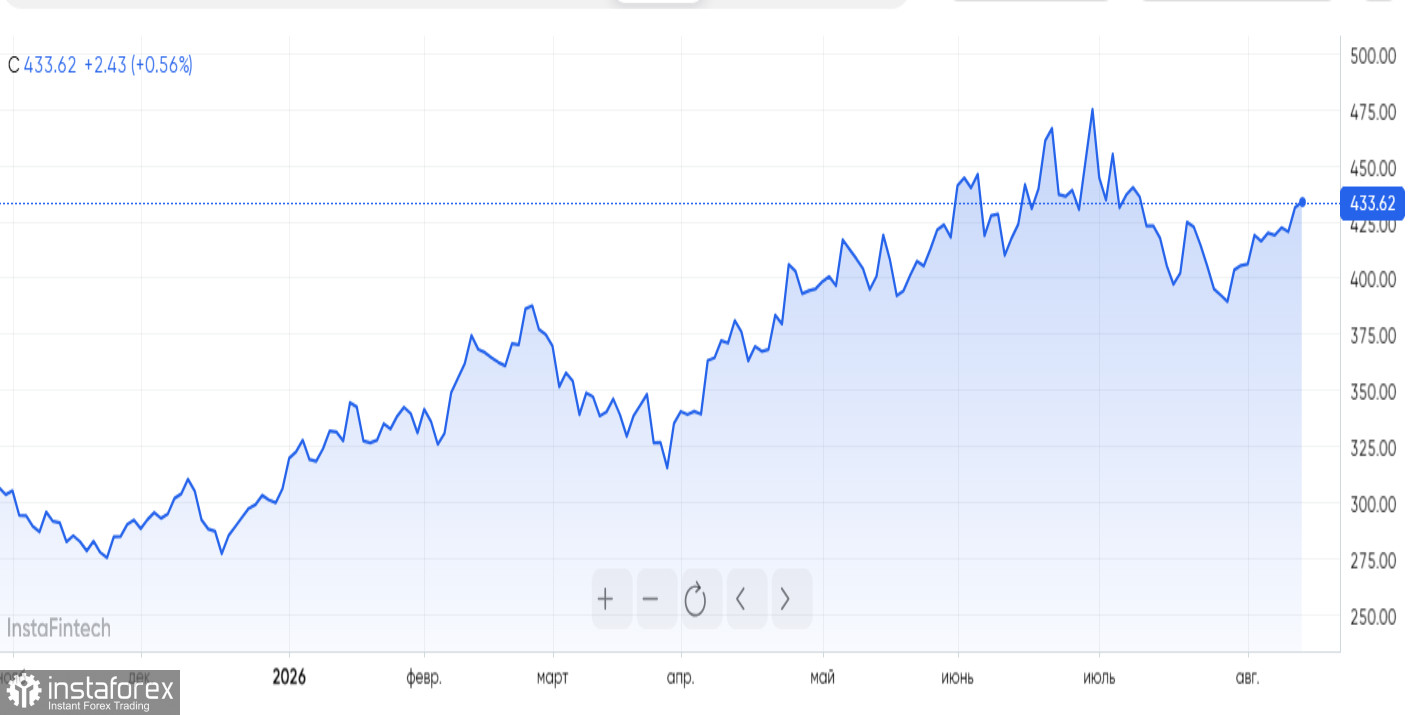
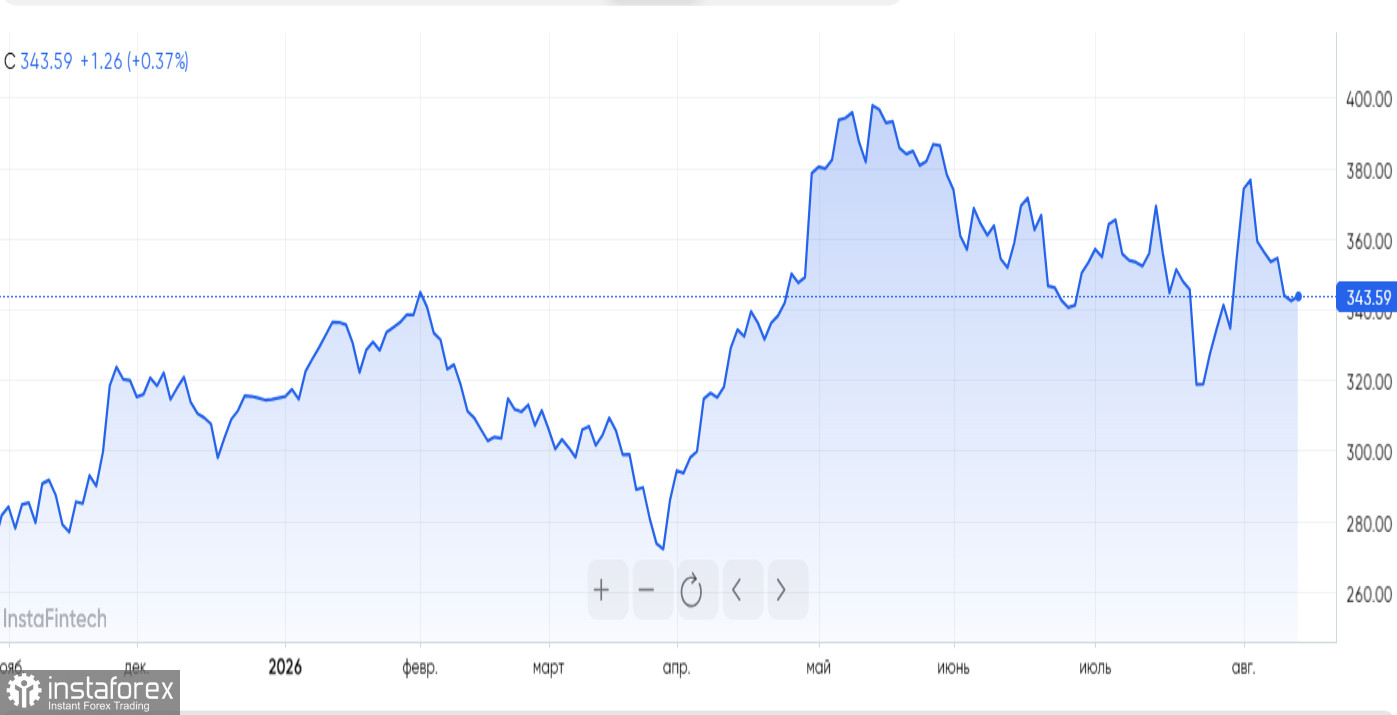
Taiwan suffered a "black day": on July 17 the TAIEX plunged a record 2,953.71 points, a 6.47% drop. The market's main driver, TSMC, fell more than 7%.
Meanwhile, in South Korea, euphoria has given way to a sober assessment: after a historic break above 9,000 points in mid-June, the Kospi entered a correction. Earlier the market had been carried by two giants — Samsung Electronics and SK hynix — whose combined weight in the index's capitalization exceeded half.
Regulators have intervened too: in mid-July South Korean watchdogs tightened rules for single-stock leveraged ETFs and ETNs, citing very high volatility — 113% for SK hynix and 96% for Samsung Electronics over the year.
For traders, this implies both higher risks and potential trading situations: volatility opens opportunities for speculative strategies, hedging and rotating capital between sectors.
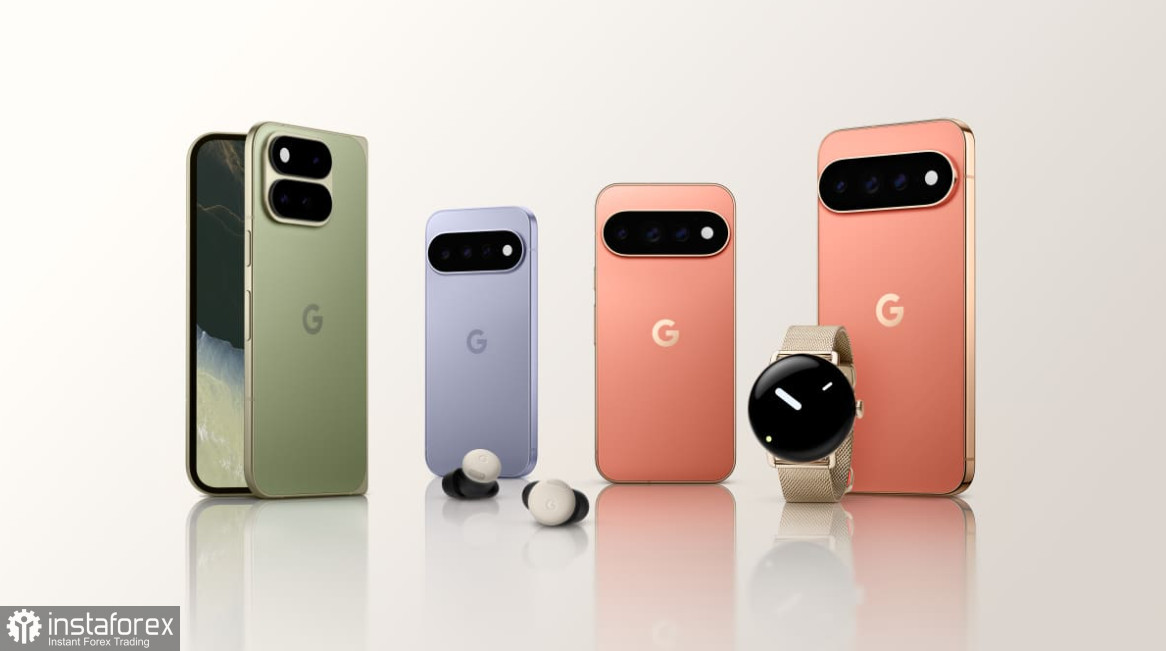
Last Wednesday, at the Made by Google 2026 event, Google introduced a number of new products. The lineup was expanded with the Pixel 11 smartphones, Pixel Watch 5 smartwatches and the Bluetooth tracker Pixel Tag, Google's first entry into the item-tracking segment competing with Apple's equivalent.
The Pixel 11 series includes four models: Pixel 11, Pixel 11 Pro, Pixel 11 Pro XL and the foldable Pixel 11 Pro Fold. All run on the new Google Tensor G6 processor. According to Google, the chip saves about 20% battery, provides roughly 25% faster web page loading and speeds app launches by about 15% compared with the previous generation.
The camera bar design was reworked: it is over 40% thinner than on the Pixel 10, has edge-to-edge glass and a metal frame. The higher-end Pro models include a small "HiLight" indicator — an LED in the camera bar that interacts with Gemini and signals incoming calls.
Prices have risen: all models are $100 more expensive than their predecessors. Starting prices — Pixel 11 from $899, Pro from $1,099, Pro XL from $1,299, Pro Fold from $1,899. As compensation, Google doubled the base storage on the standard and Pro models — now 256 GB. Pre-orders open today, with first shipments starting August 20. The phones ship with Android 17.
Pixel Watch 5 gained new health features: emergency detection for breathing disturbances — if the watch detects a sustained drop in blood oxygen, it can automatically call emergency services. In September, Google will add monthly blood pressure reports and trends in insulin resistance. Pricing starts at $399 for the 41 mm and $429 for the 45 mm. A Stephen Curry special edition is priced at $579.
Pixel Tag will be released November 11: $29 apiece or $99 for a four-pack. The oval tracker connects to Android Find Hub, supports voice location search via Gemini on Pixel Buds, and its replaceable battery is rated for more than a year of operation.
Most of Google's presentation focused on Gemini-powered capabilities. New features include:
For traders, this means increased volatility and news-driven moves: product announcements typically affect stock prices of smartphone makers, component suppliers and companies in the AI/cloud ecosystem.
Traders can use this situation by monitoring market reactions, news spikes and potential changes in valuation for companies linked to chip, sensor and accessory supply.
All mentioned financial instruments are available on the InstaSpot platform. To respond quickly to market changes and trade, open a trading account and install the company's mobile app.
* Analisis pasaran yang disiarkan di sini adalah bertujuan untuk meningkatkan kesedaran anda, tetapi tidak untuk memberi arahan untuk membuat perdagangan.
Kajian analisis InstaSpot akan membuat anda mengetahui sepenuhnya aliran pasaran! Sebagai pelanggan InstaSpot, anda disediakan sejumlah besar perkhidmatan percuma untuk dagangan yang cekap.