




Legenda dalam pasukan InstaSpot!
Legenda! Anda fikir ia adalah satu retorik yang besar? Tetapi bagaimana untuk kita memanggil seorang lelaki, yang telah menjadi pemain Asia pertama yang memenangi kejohanan catur dunia junior pada usia 18 tahun dan menjadi Grandmaster India pertama pada usia 19 tahun? Itulah permulaan yang sukar untuk merangkul gelaran Juara Dunia untuk Viswanathan Anand, seorang juara yang telah menjadi sebahagian daripada sejarah catur. Kini satu lagi legenda dalam pasukan InstaSpot!





Borussia adalah salah satu kelab bola sepak paling terkemuka di Jerman, yang telah berulang kali membuktikan kepada peminatnya: semangat persaingan dan kepemimpinan pasti akan membawa kepada kejayaan. Berdagang dengan cara yang sama seperti atlet sukan profesional beraksi menentang lawan: yakin dan aktif. Simpan "hantaran" dari Borussia FC dan menjadi pedagang hebat dengan InstaSpot!

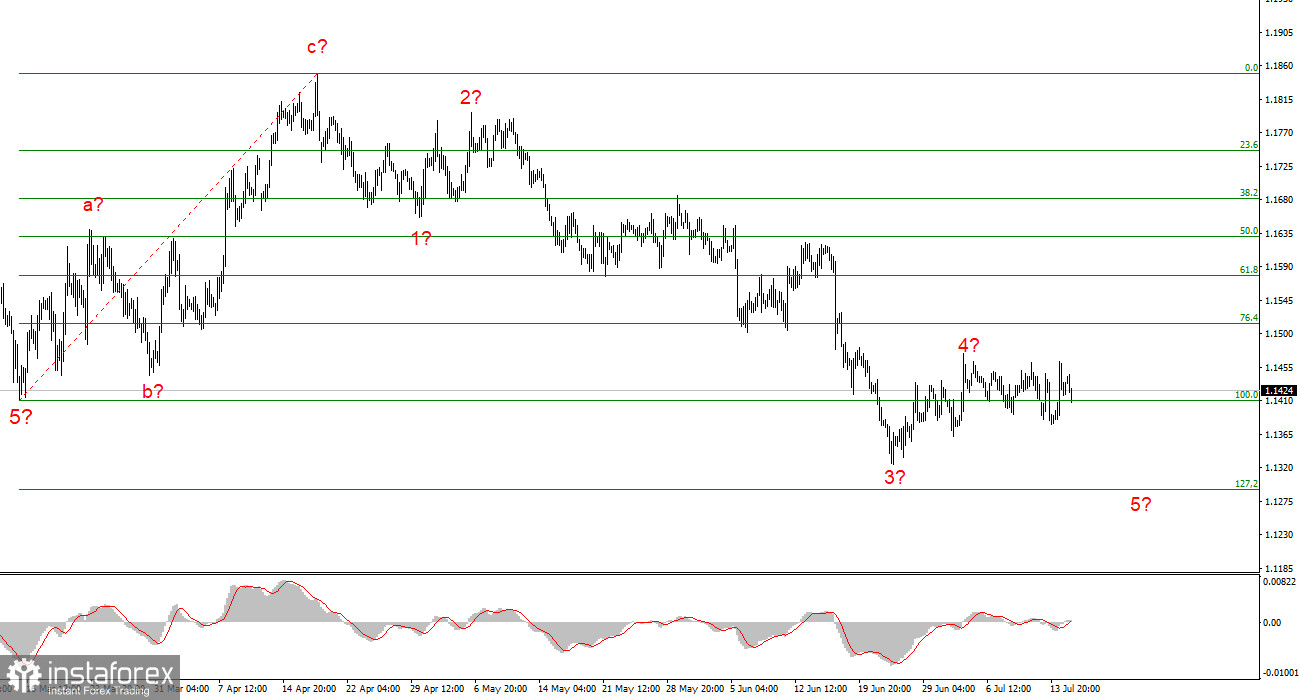
Corak gelombang pada carta 4 jam bagi pasangan EUR/USD terus berkembang. Masih tiada petunjuk bahawa segmen aliran menaik (ditunjukkan pada carta bawah), yang bermula pada Januari tahun lalu, telah terbatal. Namun begitu, struktur gelombangnya kini bersifat korektif. Dari perspektif jangka panjang, gelombang C dijangka terbentuk dengan paras terendahnya lebih rendah dari paras terendah gelombang A. Pada masa ini, gelombang C sudah bergerak di bawah paras rendah gelombang A, bermakna ia boleh lengkap pada bila-bila masa. Walau bagaimanapun, jika latar belakang fundamental terus memihak kepada dolar Amerika Syarikat, gelombang ini boleh memanjang dengan ketara.
Pada carta masa lebih rendah, saya dapat mengenal pasti struktur menurun corak lima gelombang klasik. Jika tafsiran ini tepat, pasaran kini sedang membentuk gelombang 4, manakala gelombang 3 telah berkembang menjadi corak lima gelombang. Sebaik sahaja struktur ini lengkap, pasangan ini mungkin memulakan urutan gelombang menaik baharu. Namun, berdasarkan kiraan gelombang semasa, gelombang 5 masih perlu terbentuk. Oleh itu, euro berpotensi merosot ke sekitar paras 1.13.
Pasangan EUR/USD kekal hampir tidak berubah sepanjang sesi dagangan Rabu. Pasangan ini telah bergerak mendatar selama lebih dua minggu, jadi volatiliti yang rendah dan kerap berpaling arah tidaklah mengejutkan. Pasaran sama ada sedang menunggu maklumat baharu yang lebih bermakna atau sekadar berehat. Dalam apa jua keadaan, pergerakan harga kekal lembap, dan bahkan data ekonomi penting minggu ini gagal merangsang aktiviti pasaran yang lebih kukuh.
Perlu diingat bahawa laporan inflasi Amerika Syarikat bagi bulan Jun semalam berpotensi mencetuskan kejatuhan kira-kira 100 mata pada dolar. Kedua-dua angka inflasi keseluruhan dan teras lebih lemah berbanding jangkaan. Semasa sesi keterangan beliau di hadapan Kongres Amerika Syarikat, Kevin Warsh tidak memberi isyarat akan berlakunya kenaikan kadar faedah dalam masa terdekat dan tidak menawarkan panduan baharu atau penting, yang secara peribadi tidak mengejutkan saya. Sejak awal, Warsh mengamalkan strategi komunikasi berhati-hati yang mengelakkan pendedahan niat dasar masa depan Rizab Persekutuan. Secara keseluruhan, data inflasi tersebut memberi gambaran bahawa pendirian Rizab Persekutuan mungkin tidak setegas apa yang diandaikan oleh pasaran. Pada masa yang sama, kenyataan Warsh gagal memberikan sokongan tambahan kepada pembeli dolar Amerika Syarikat. Justeru, mata wang AS mempunyai alasan yang kukuh untuk melemah dengan ketara semalam.
Laporan Indeks Harga Pengeluar (PPI) hari ini juga mengesahkan bahawa tekanan harga sedang reda. Harga pengeluar susut sebanyak 0.3% bulan ke bulan pada Jun, sedangkan pasaran menjangka tiada perubahan. Akibatnya, permintaan terhadap dolar Amerika Syarikat sepatutnya kembali lemah hari ini. Ia memang melemah, tetapi sebelum penerbitan PPI, dolar telah mengukuh tanpa sebarang pemangkin yang jelas. Hasilnya, tiga perkembangan penting dalam tempoh dua hari lepas semuanya menunjukkan arah kepada dolar yang lebih lemah, namun di antara acara-acara tersebut mata wang AS mengukuh tanpa sebab yang jelas. Secara keseluruhan, kesan bersihnya hampir tiada perubahan, dan julat pergerakan mendatar kekal utuh.
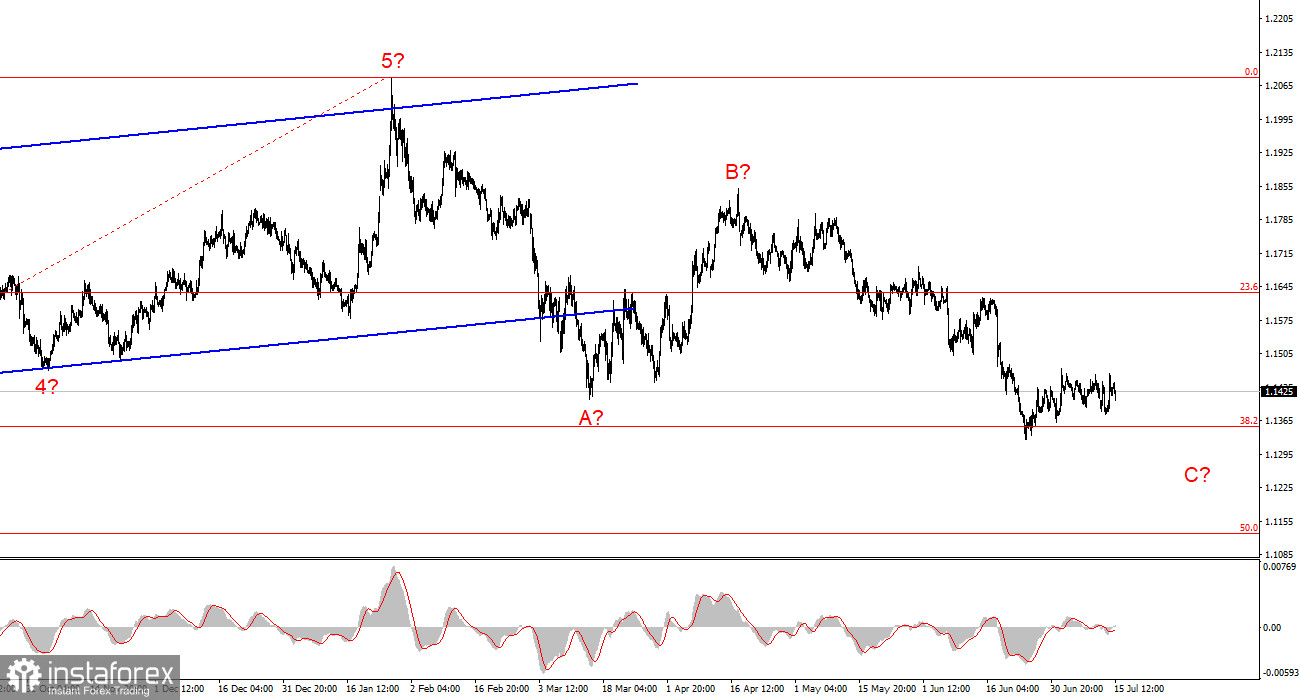
Saya merumuskan bahawa pasangan EUR/USD kekal berada dalam fasa aliran menaik jangka panjang (lihat carta di bawah), manakala aliran jangka pendek masih menurun. Pada pandangan saya, persekitaran semasa semakin menggalakkan untuk membina kedudukan beli. Namun begitu, pasangan ini masih boleh jatuh ke paras 1.13 sebagai sebahagian daripada gelombang 5 dalam gelombang C. Memandangkan struktur gelombang sering berkembang secara tidak dijangka, saya akan mula bersiap sedia dari sekarang untuk peluang pembelian pada masa hadapan.
Pada carta masa lebih tinggi, fasa aliran menaik terdahulu diikuti oleh pembentukan struktur gelombang pembetulan. Dalam jangka terdekat, gelombang C dijangka terus terbentuk, dengan sasaran penurunan sekitar 1.1352, bersamaan dengan aras pembetulan Fibonacci 38.2%. Apabila struktur pembetulan A-B-C selesai, satu aliran kenaikan harga jangka panjang baharu berkemungkinan bermula.
* Analisis pasaran yang disiarkan di sini adalah bertujuan untuk meningkatkan kesedaran anda, tetapi tidak untuk memberi arahan untuk membuat perdagangan.
Kajian analisis InstaSpot akan membuat anda mengetahui sepenuhnya aliran pasaran! Sebagai pelanggan InstaSpot, anda disediakan sejumlah besar perkhidmatan percuma untuk dagangan yang cekap.


