




Kumpulan kami mempunyai lebih daripada 7,000,000 pedagang!
Setiap hari kami bekerjasama untuk meningkatkan perdagangan. Kami mendapat keputusan yang tinggi dan bergerak ke hadapan.
Pengiktirafan oleh berjuta-juta pedagang di seluruh dunia adalah penghargaan terbaik untuk kerja kami! Anda membuat pilihan anda dan kami akan melakukan segalanya yang diperlukan untuk memenuhi jangkaan anda!
Kami adalah kumpulan yang terbaik bersama!
InstaSpot. Berbangga bekerja untuk anda!





Pelakon, juara kejohanan UFC 6 dan seorang wira sebenar!
Lelaki yang membuat dirinya sendiri. Lelaki yang mengikut cara kami.
Rahsia di sebalik kejayaan Taktarov adalah pergerakan berterusan ke arah matlamat.
Dedahkan semua segi bakat anda!
Cari, cuba, gagal - tetapi tidak pernah berhenti!
InstaSpot. Kisah kejayaan anda bermula di sini!

The US dollar continues to strengthen, reaching a two-week high amid renewed volatile moves in financial markets. Over the past two days, the dollar index (DXY) has risen by roughly 0.2%, letting it hold around 97.8 and extending its bullish momentum.
The main drivers of dollar strength are macroeconomic developments and events in European currency markets. Key factors supporting the US currency include central bank decisions, economic instability and market reactions to global risks.

Recent decisions by European central banks had a notable impact on FX. The dollar gained following a European Central Bank meeting in which the ECB opted to keep interest rates unchanged. In an environment of global uncertainty and geopolitical risk, the ECB stressed caution in its monetary policy. Nevertheless, with no rate moves, the outlook for the euro remains constrained.
Another important event was the Bank of England's decision to hold rates at 3.75%. The vote was narrowly split — 5 to 4 — and the outcome sent sterling sharply lower, down about 0.7% on the day versus the dollar and euro. The pound fell below $1.36, adding pressure to the British currency. Political instability in the UK, including controversy over Peter Mandelson's nomination as ambassador to the US, also weighed on the pound.
These developments underscore how central?bank decisions drive currency markets. In the pound's case, economic policy and political instability have a direct impact on the exchange rate, which in turn supports the dollar.
One of the week's notable trends has been a decline in risk appetite. This is especially visible amid volatility in the US stock market, where investors — despite relatively strong corporate results — have adopted more cautious stances. Equity?market volatility feeds demand for safe-haven assets, and in times of uncertainty and economic risk, the dollar traditionally benefits.
Sim Mo Siong, FX strategist at OCBC, noted that in risk-off periods, the dollar typically strengthens. That reflects its reserve currency status and the high demand for safe assets when global political and economic risks rise.
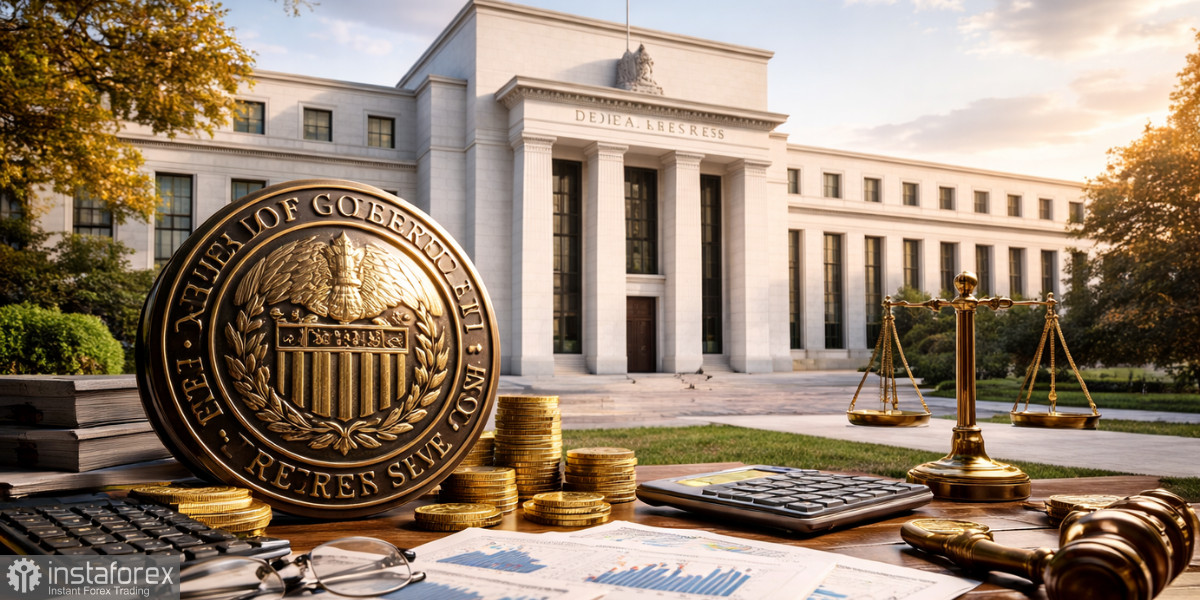
The question of Federal Reserve independence and expectations about future US monetary policy remain a key factor shaping the dollar. While the ECB and the BoE held rates steady, market attention is fixed on potential Fed actions that could move the dollar.
Although current pricing still assumes the Fed may keep rates high, talk of eventual rate cuts is increasing. In the face of economic fragility and political risk, traders have begun to price in a softer Fed stance, which also influences the dollar.
The Fed may face pressure to ease if US economic conditions deteriorate further, potentially prompting rate cuts. For now, however, confidence in the US economy's resilience has so far supported the dollar and prevented a sharp weakening.
In the coming days, markets will watch weekly initial jobless claims (published today). Claims are forecast to rise to about 212k, slightly above last week's 209k. These figures are an important indicator of labor market health and can influence expectations of the funds rate.
Although the labor market has shown modest fluctuations, the US economy still displays significant resilience, which bolsters investor confidence in the dollar. Jobless claims prints may drive short-term FX moves, but overall the situation appears stable.
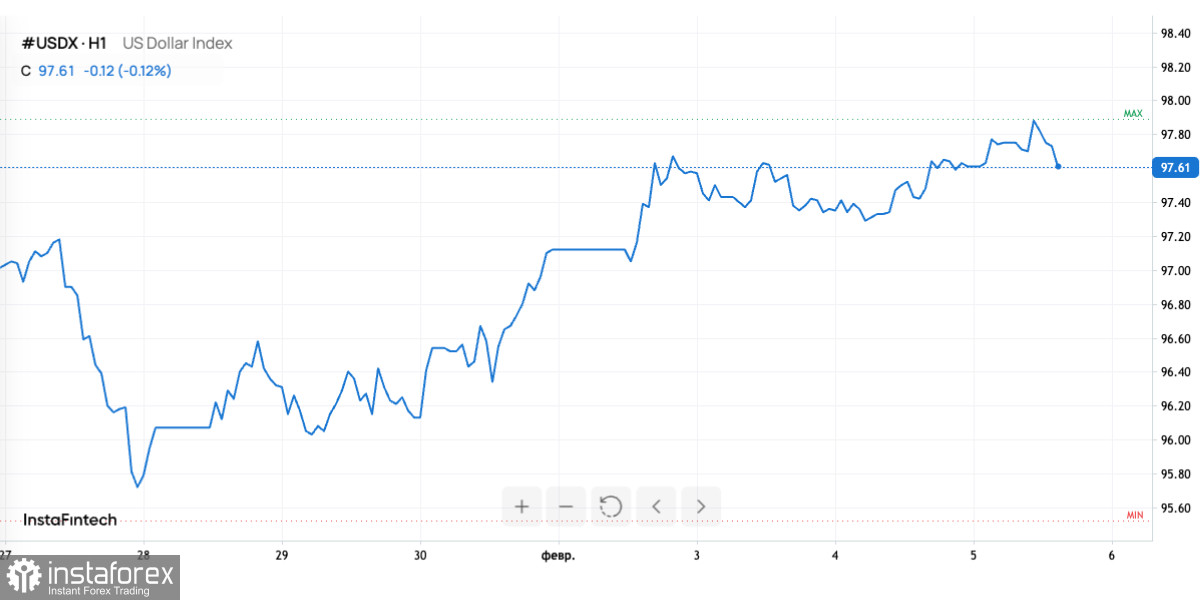
Markets continue to monitor geopolitical developments and central?bank decisions. Despite easing inflation in the eurozone, the ECB has kept rates at relatively low levels, making the euro less attractive than the dollar. Political turmoil in the UK and uncertainty in US financial markets keep the dollar in a defensive, safe-haven role.
Markets are also awaiting a new batch of economic data such as GDP and inflation — strong prints could further bolster the US dollar. At the same time, the timing of Fed rate cuts remains an open question, which could drive additional volatility in FX markets.
Kajian analisis InstaSpot akan membuat anda mengetahui sepenuhnya aliran pasaran! Sebagai pelanggan InstaSpot, anda disediakan sejumlah besar perkhidmatan percuma untuk dagangan yang cekap.


