




Nella nostra squadra ci sono più di 7.000.000 trader! Ogni giorno ci impegniamo a far sì che il trading migliori. Conseguiamo grandi risultati e ci muoviamo in avanti.
Il riconoscimento da parte di milioni di trader in tutto il mondo rappresenta l'alta valutazione della nostra attività! Voi avete fatto la vostra scelta e noi faremo la nostra al fine di soddisfare le vostre aspettative!
Assieme siamo una grande squadra!
InstaSpot. Siamo orgogliosi di lavorare per voi!





Attore, campione del mondo di lotta libera e semplicemente un vero maciste russo! Persona venuta dal nulla. Persona che rispecchia i nostri obiettivi. Il segreto del successo di Taktarov consiste nel mirare continuamente al suo scopo.
Dischiudi anche tu tutti gli aspetti del tuo talento! Impara, prova, sbaglia, ma non fermarti!
InstaSpot - la storia delle tue vittorie inizia qui!


Recent changes in the price of the yellow metal have prompted questions about whether gold is losing its historical bullish trend. However, while investors focus on the Federal Reserve's monetary policy, interest rates, and the U.S. dollar, a significant long-term factor influencing the gold market—central banks' actions—may remain overlooked.
Analyses from leading financial institutions reach a unanimous conclusion that there is a structural shift in central banks' international reserves, increasing the share of gold.
Last week, the Official Monetary and Financial Institutions Forum (OMFIF) released its annual report on central bank activities. Its findings confirm that reserve managers maintain a positive outlook for gold's future: many expect that next year the price of this metal will fluctuate between $5,000 and $6,000 per ounce. Moreover, the survey revealed that interest in gold significantly exceeds mere expectations of short-term price growth.
Central banks view gold as a key reserve asset, contributing to diversification, ensuring liquidity, and providing protection amid rising geopolitical instability.
The OMFIF report was published just two weeks after the World Gold Council provided its annual analysis of central banks' gold reserves, which also confirms this trend. A record 45% of central banks announced their intention to increase their gold holdings over the next year, and nearly 90% are confident in the continued growth of global official gold reserves.
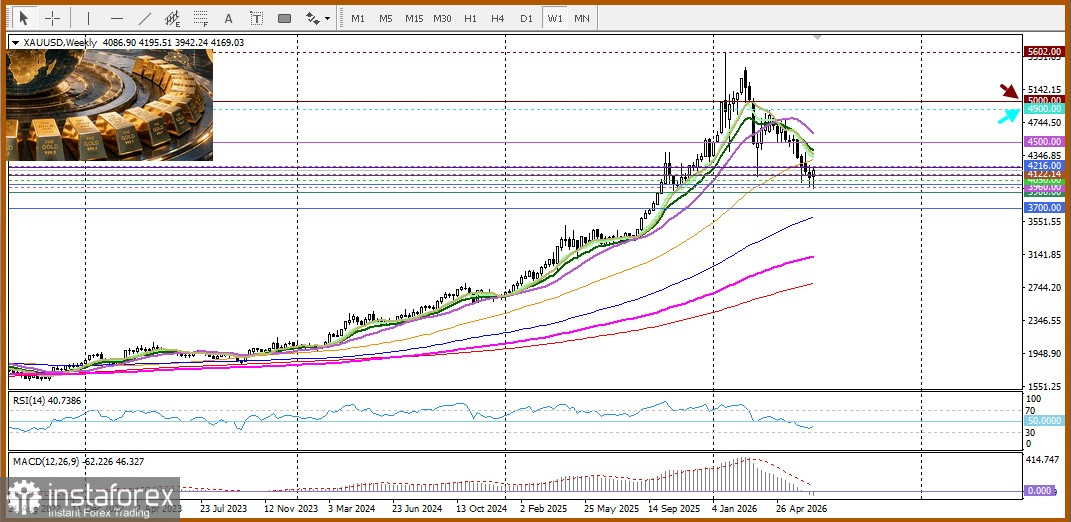
Despite the notable correction in gold prices relative to January's record highs, many experts believe the bullish cycle in this market is still far from complete.
Goldman Sachs analysts predict that demand from government institutions will remain a key market driver, supporting their optimistic forecasts. In its latest study, the bank estimates that next year the price of gold could reach $4,900 per ounce.
Unlike investors dealing with exchange-traded funds (ETFs) or speculative traders, central banks are not looking to profit from short-term market fluctuations. Their actions are guided by strategic reserve management, a desire to reduce dependence on the U.S. dollar, and the growing significance of holding politically neutral assets.
As central banks continue to accumulate significant volumes of metal, exceeding historical averages, they will remain a key source of demand in a market where gold supply from new mining sources is increasing only at a moderate rate.
Gold prices continue to be influenced by factors such as interest rates, inflation, and currency exchange rates; these will determine short-term price volatility. However, there is a new dynamic in the current cycle. For the first time in decades, institutional investors are becoming the main buyers in the market, making strategic decisions with a planning horizon of decades rather than quarters.
This may very well become the most compelling argument for the assertion that the long-term bullish trend in the gold market is still far from exhausted.
Le recensioni analitiche di InstaSpot ti renderanno pienamente consapevole delle tendenze del mercato! Essendo un cliente InstaSpot, ti viene fornito un gran numero di servizi gratuiti per il trading efficiente.


