




Nella nostra squadra ci sono più di 7.000.000 trader! Ogni giorno ci impegniamo a far sì che il trading migliori. Conseguiamo grandi risultati e ci muoviamo in avanti.
Il riconoscimento da parte di milioni di trader in tutto il mondo rappresenta l'alta valutazione della nostra attività! Voi avete fatto la vostra scelta e noi faremo la nostra al fine di soddisfare le vostre aspettative!
Assieme siamo una grande squadra!
InstaSpot. Siamo orgogliosi di lavorare per voi!





Attore, campione del mondo di lotta libera e semplicemente un vero maciste russo! Persona venuta dal nulla. Persona che rispecchia i nostri obiettivi. Il segreto del successo di Taktarov consiste nel mirare continuamente al suo scopo.
Dischiudi anche tu tutti gli aspetti del tuo talento! Impara, prova, sbaglia, ma non fermarti!
InstaSpot - la storia delle tue vittorie inizia qui!

Be careful what you wish for. Markets interpreted the halving of Japan's GDP forecasts for fiscal years 2025/2026 as a signal that the Bank of Japan would not resume its overnight rate hike cycle. Combined with a surge in global risk appetite, this triggered a corrective rally in USD/JPY against the prevailing downtrend. But the "bulls' parade" didn't last long.
Despite BoJ Governor Kazuo Ueda's warning that the downgraded forecasts were not a reason to extend the pause in monetary tightening, investors rushed to sell the yen. Besides traditional safe-haven currencies, the biggest losers were the yen and the British pound, driven lower by the sharp rally in U.S. equity indices amid the U.S.–China trade de-escalation. Meanwhile, futures markets actively bought the euro, Chinese yuan, and Norwegian krone.
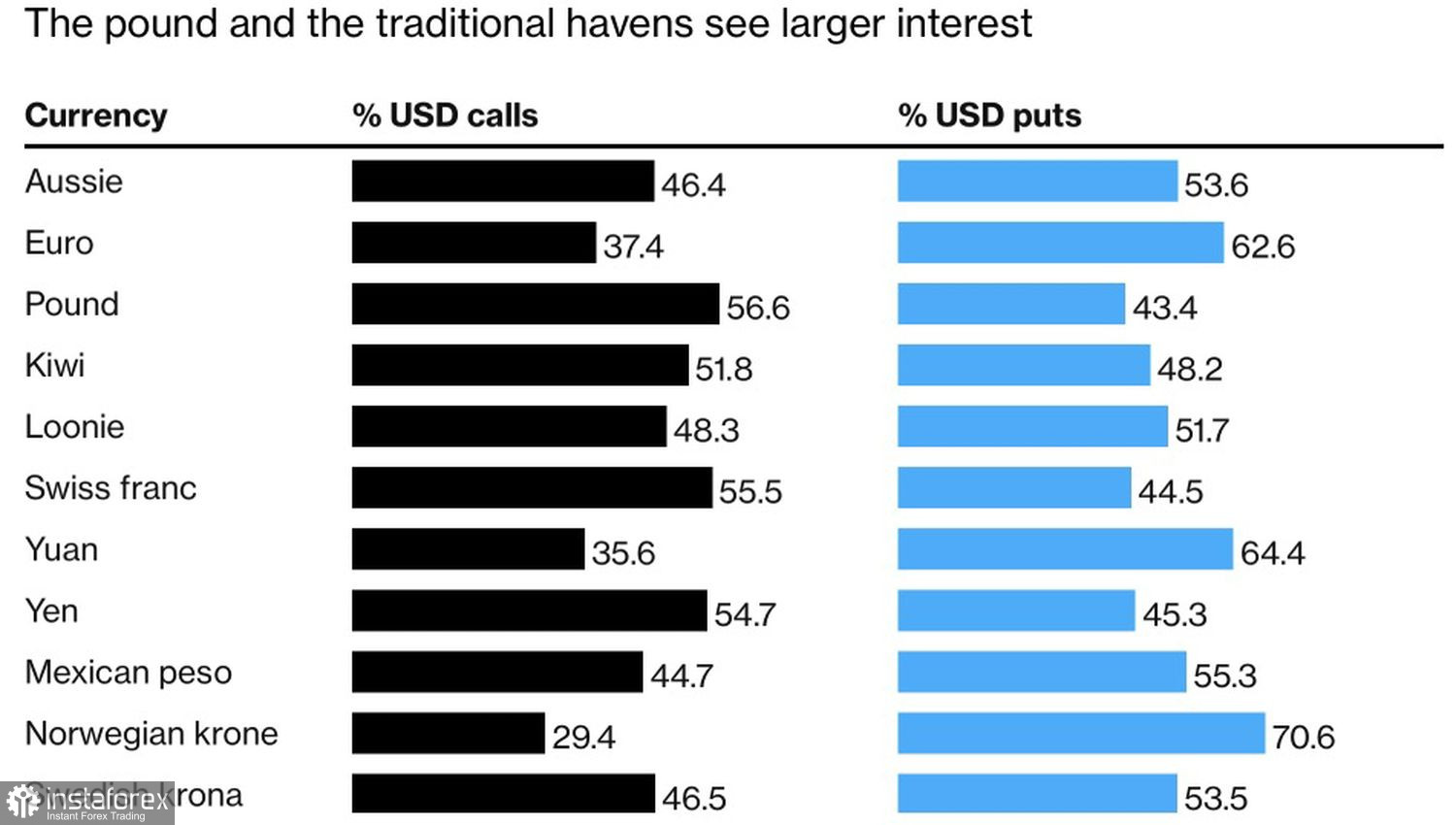
Derivatives markets slashed the odds of a BoJ rate hike at some point in 2025 from 100% to 36%, which became the catalyst for the USD/JPY rally. Unfortunately, markets once again misread the central bank.
In the most recent BoJ Governing Council meeting minutes, officials made it clear they intend to continue raising rates, albeit more slowly than they would have without the ongoing global trade conflicts. Investors quickly recalled that inflation in Japan has remained above the 2% target for three consecutive years and that wages continue rising at a pace the central bank deems satisfactory.
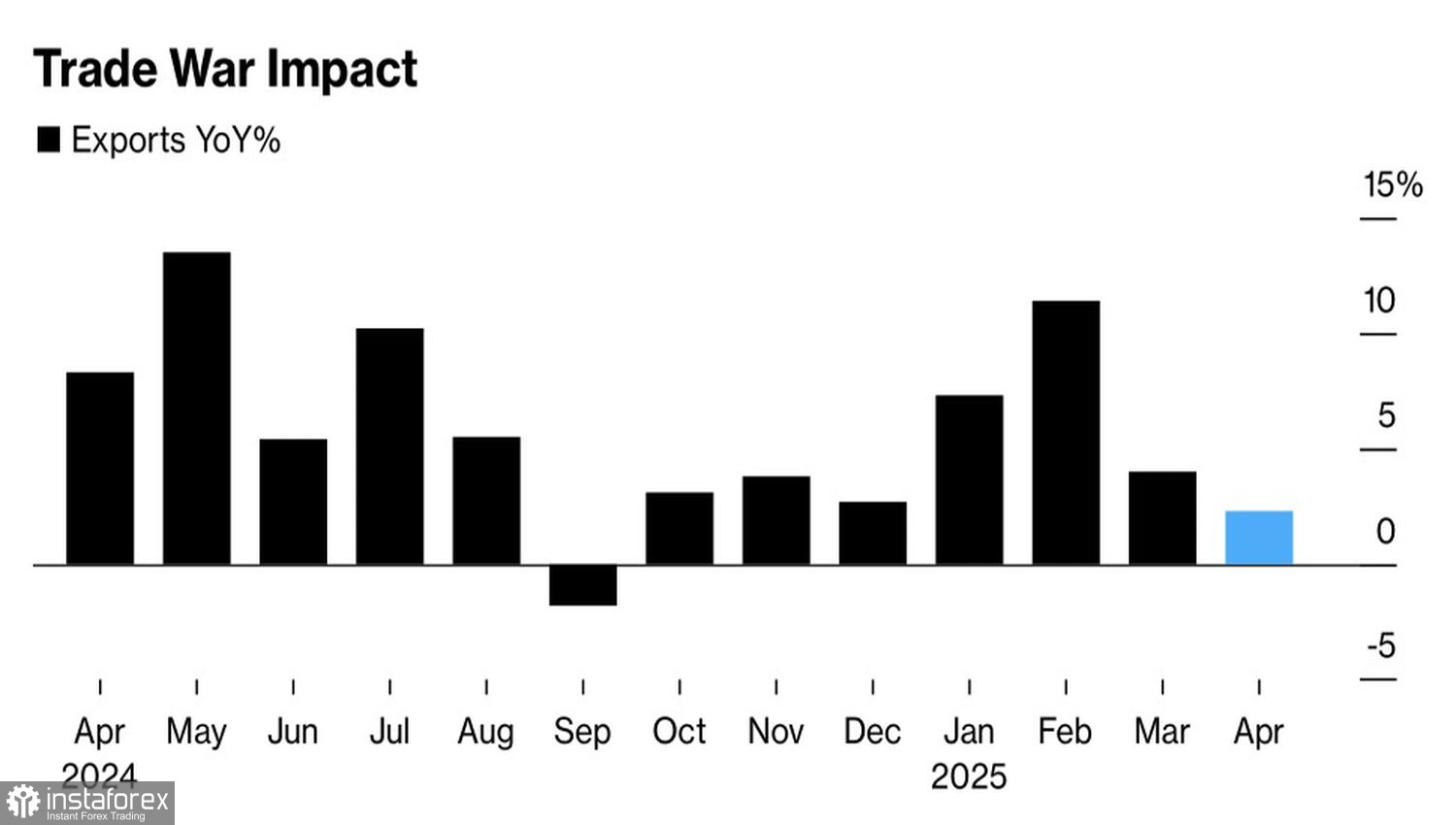
Yes, Japan's export growth has significantly slowed, likely impacting GDP, but the U.S. 90-day tariff delay could help stabilize the situation. There's still room for the overnight rate to rise in 2025, adding to the yen's attractiveness.
Investors are skeptical that U.S. stock indices can maintain the momentum seen at the end of April and the beginning of May. The trade conflict de-escalation between Washington and Beijing was the last major bullish catalyst. Donald Trump is trying to come up with new ones—including Saudi Arabia's supposed $1 trillion investment in the U.S. economy—but so far, these attempts have fallen flat.
On the contrary, the upcoming trade negotiations between the U.S. and the EU could dampen global risk appetite and reignite demand for safe-haven assets. Brussels is taking a hard line and is ready to retaliate with €95 billion in countermeasures if talks fail. Trump has called Europe "worse than China." A new escalation in trade tensions would be a significant roadblock to new S&P 500 highs—and a tailwind for the yen.
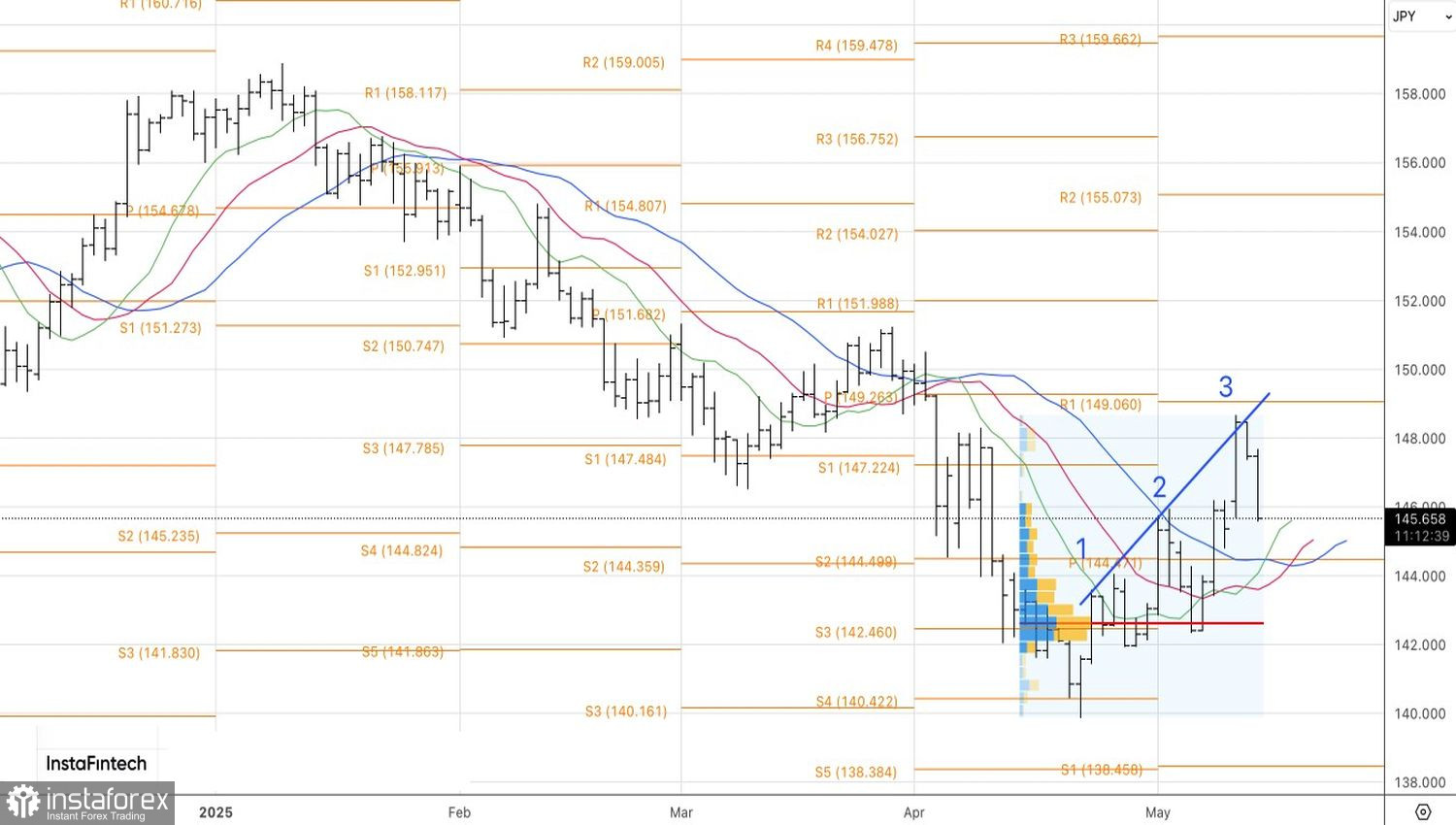
Technically, on the daily chart of USD/JPY, we're seeing the completion of the Three Indians corrective pattern. Bears have played it out effectively, signaling the exhaustion of the rebound and a return to the broader downtrend. The pair's failure to quickly rebound to the 147.1 level opens the door for market selling, with targets at 144.5, 142.5, and 140.
*La presente analisi del mercato ha un carattere esclusivamente informativo e non rappresenta una guida per l`effettuazione di una transazione.
Le recensioni analitiche di InstaSpot ti renderanno pienamente consapevole delle tendenze del mercato! Essendo un cliente InstaSpot, ti viene fornito un gran numero di servizi gratuiti per il trading efficiente.


