



Legenda tim InstaSpot!
Legenda! Anda pikir legenda adalah retorika yang bombastis? Lalu, bagaimana menyebut seorang pria, seorang Asia pertama yang memenangkan kejuaraan catur dunia junior pada usia 18 tahun, dan yang menjadi Grandmaster India pertama pada usia 19 tahun? Itulah awal perjalanan yang sulit dalam meraih gelar Juara Dunia bagi Viswanathan Anand, pria yang menjadi bagian dari sejarah catur untuk selamanya. Sekarang, satu lagi legenda masuk ke dalam tim InstaSpot!



Borussia merupakan salah satu klub sepakbola paling terkenal di Jerman, yang telah berulang kali membuktikan pada para penggemarnya: semangat kompetisi dan kepemimpinan pasti akan mengarah pada kesuksesan. Lakukan trading dengan cara yang sama seperti para profesional olahraga: percaya diri dan aktif. Gunakan "kunci" dari Borussia FC dan jadilah yang terdepan bersama InstaSpot!

Additional yield that investors demand to hold French 10-year bonds versus German bunds has widened to 153 basis points, the highest level since October 2. For the euro this is another blow, because French problems have again come to the fore and increased pressure on the single currency. The market has once more reminded us that political risk in one of the region's largest countries quickly becomes a currency risk.
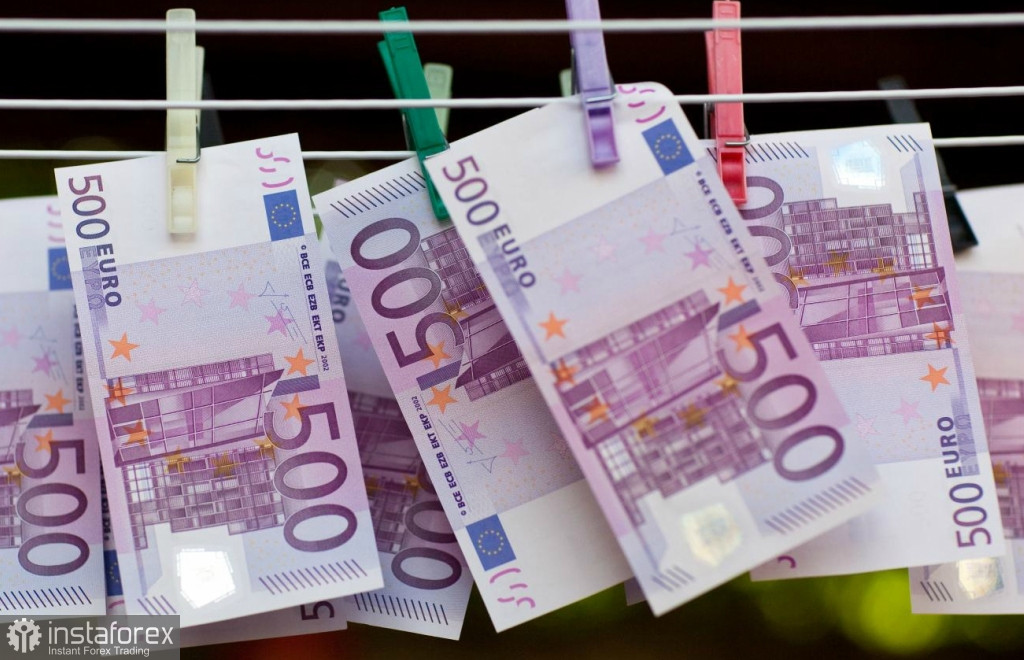
ECB Governing Council member Olli Rehn spoke today to the Finnish parliament and said spreads on French bonds versus German bunds have "somewhat" widened due to both common and country-specific factors. He noted many other countries have felt similar pressure. In his view sovereign yields are determined by greater private sector demand for capital, including large investments by companies in AI, and by rising government deficits that push up the cost of capital. "All euroarea countries must get their public deficits under control," he stressed, adding that this applies equally to France and Finland.
The situation inside France remains tense. Protests against the rising cost of living that drew hundreds of thousands over the weekend escalated into violence, vandalism, and looting. Authorities have tightened security and promised help for businesses, but the government lacks room to maneuver. The country carries a huge debt load and one of the largest budget deficits in the euro area, so simply increasing spending to calm people is not an option.
The roots of the problem run deeper. Many countries in the region, including France, were unable to cut deficits quickly after the 2009 financial crisis and then added more debt to support populations during the pandemic. A prolonged period of high inflation then raised debt servicing costs. Voters suffering from high prices are hostile both to spending cuts and to tax increases. French governments have fallen one after another, unable to pass budgets with cuts in a divided and polarized parliament, and borrowing costs in France are now higher than in Italy.
The bond sell-off has revived memories of the sovereign debt crisis of 2009–2015. Paper from other highly indebted states, including Italy, Greece, and Belgium, came under pressure, suggesting investors are pricing a contagion risk—a loss of confidence in one country dragging down others' bond prices. The government's proposed 2027 budget broadly follows EU fiscal rules, but there is a risk deficit targets will not be met if the government collapses again. Recall the plan envisages deficit reduction measures of about €43 billion, and unions have already called for a strike for November 5.
Political uncertainty is compounded by the presidential election in April next year. Emmanuel Macron cannot run for a second term, and two leading candidates promise a decisive break with his centrist course. Marine Le Pen has pledged steep deficit cuts, but her party lacks national government experience, and economists find her plans unconvincing. She has called on the ECB to intervene to help lower France's borrowing costs. Jean-Luc Melenchon has proposed addressing the debt by cancelling part of the balances on the books of the Bank of France and the ECB.
The key question is how the ECB will act. To fight a bond sell-off, it has two buyback mechanisms, and attention focuses on a newer, more flexible protection tool created in 2022 to counter unjustified and disorderly market moves. But ECB President Christine Lagarde and Banque de France Governor Francois Villeroy de Galhau have recently said there is no need to take action for now. Given market tensions over France's fiscal issues, the regulator is unlikely to step in to help.
That is the problem for the euro. When spreads widen and the central bank is not ready to act as an insurer, investors demand a risk premium and cut positions in the single currency. The euro has already fallen on similar French events; in early October, EUR/USD hit its May 2025 low amid widening spreads, and Monday's Asian session sell-off was triggered by the French protests.
I lean toward the view that while the French budget and street protests remain unresolved and the ECB gives no signal of bond market support, the euro will have little reason for a confident rebound. I would risk saying any new spread widening or fresh street unrest in France will push the currency back under pressure, and a noticeable improvement is likely only after a clear signal from Paris or from Berlin and Brussels.
Technical picture for EUR/USD
Buyers now need to think about reclaiming 1.1235. Only that would allow targeting a test of 1.1265. From there one can reach 1.1310, but doing so without support from large players will be difficult. On the downside, I expect serious buying only around 1.1195. If nobody shows up there, it would be sensible to wait for a new low near 1.1155 or to open longs from 1.1115.
*Analisis pasar yang diposting disini dimaksudkan untuk meningkatkan pengetahuan Anda namun tidak untuk memberi instruksi trading.
Tinjauan analitis InstaSpot akan membuat Anda menyadari sepenuhnya tren pasar! Sebagai klien InstaSpot, Anda dilengkapi dengan sejumlah besar layanan gratis untuk trading yang efisien.


