




Tim kami memiliki lebih dari 7.000.000 trader!
Setiap harinya kami bekerja sama untuk meningkatkan trading. Kami memperoleh hasil tinggi dan terus bergerak maju.
Pengakuan dari jutaan trader diseluruh dunia merupakan apresiasi terbaik dari kerja kami! Anda membuat pilihan anda dan kami akan melakukan semua yang dibutuhkan untuk memenuhi ekspektasi anda!
We are a great team together!
InstaSpot. Bangga bekerja bersama anda!





Seorang Aktor, juara 6 turnamen UFC dan pahlawan sesungguhnya!
Pria yang berhasil. Pria yang berusaha keras.
Rahasia dibalik kesuksesan Taktarov adalah pergerakan konstan menuju target.
Tunjukkan seluruh sisi dari bakat anda!
Temukan, coba, gagal - namun jangan pernah berhenti!
InstaSpot. Cerita sukses anda dimulai disini!

PDB Selandia Baru untuk kuartal IV hanya naik 0,2% secara kuartalan, di bawah ekspektasi pasar maupun perkiraan Reserve Bank of New Zealand (RBNZ). ANZ Bank memproyeksikan pertumbuhan PDB sebesar 0,7% year-on-year pada 2026, namun pelemahan yang lebih jauh masih mungkin terjadi jika kenaikan harga energi diperparah oleh masalah pasokan pupuk dan meningkatnya biaya pupuk—yang kini tampak sangat mungkin terjadi. Bagi sektor pertanian Selandia Baru, hal ini akan menjadi pukulan yang sangat besar, tidak hanya terhadap tingkat produksi tetapi juga terhadap ekspor.
RBNZ akan menggelar pertemuan berikutnya pada 8 April, dan sudah jelas bahwa hasil yang positif kecil kemungkinannya. Apa pun yang dilakukan bank terhadap suku bunganya, hal itu tidak dapat menghentikan kenaikan harga minyak maupun inflasi jangka pendek. RBNZ juga tidak dapat mencegah dampak terkait terhadap pertumbuhan ekonomi. Perubahan kebijakan moneter hanya akan memberikan pengaruh terbatas terhadap perkembangan jangka pendek ini.
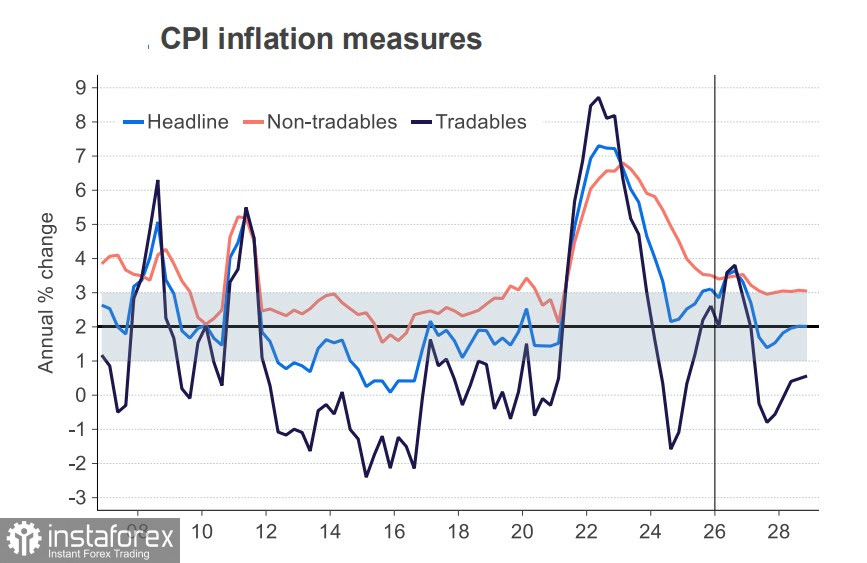
Seiring dengan kenaikan harga bahan bakar yang terus berlanjut, proyeksi inflasi juga mengalami peningkatan. BNZ memperkirakan bahwa CPI akan mencapai 3,0% pada kuartal pertama dan 4,2% pada kuartal kedua tahun 2026. Setelah itu, semua akan sangat tergantung pada seberapa besar kerusakan di Teluk dan gangguan dalam logistik energi, yang saat ini sepenuhnya tidak dapat diprediksi.
Hanya sedikit informasi yang akan dirilis minggu ini: pada hari Jumat, satu-satunya yang dijadwalkan adalah indeks kepercayaan konsumen ANZ-RM. Sebelumnya, indikator ini menunjukkan tren positif, namun ada kemungkinan akan melemah bulan Maret mendatang, sementara harapan inflasi konsumen justru diprediksi mengalami kenaikan. Kenaikan harga bahan bakar mengurangi daya beli rumah tangga dan profitabilitas perusahaan, sehingga diperkirakan estimasi PDB akan ditinjau ke bawah dalam waktu dekat. Fitch Ratings, meskipun mempertahankan peringkat kredit Selandia Baru di AA+, telah menurunkan prospek dari stabil menjadi negatif. Ini menjadi sinyal peringatan pertama, yang mungkin diikuti oleh yang lainnya.
Posisi net short atas NZD berkurang sebesar 0,9 miliar selama minggu pelaporan menjadi -1,35 miliar, tetapi posisi tersebut masih menunjukkan nada bearish. Harga estimasi, di tengah meredanya ketegangan sementara setelah pernyataan Trump, berusaha untuk naik.
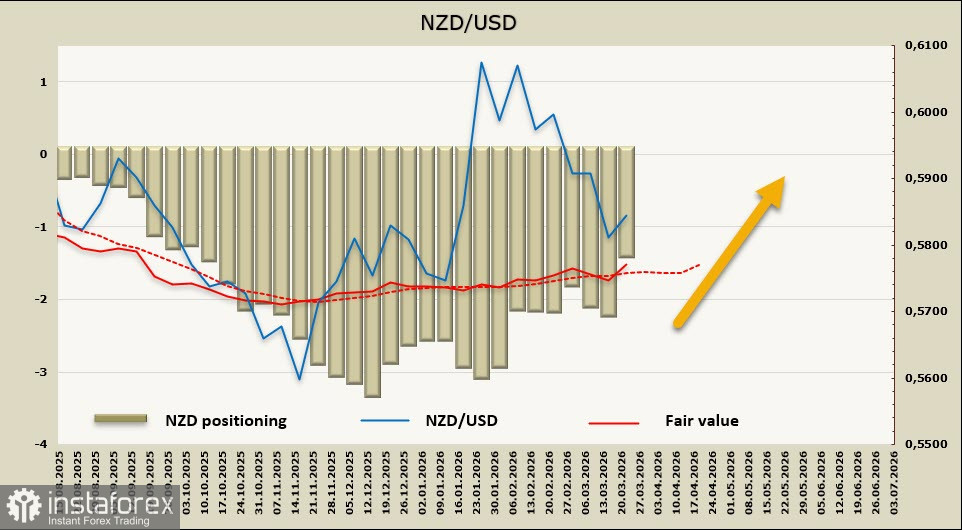
Untuk NZD/USD, ada dua skenario utama yang mungkin terjadi, dan tidak dapat dipastikan mana yang akan terwujud. Jika terjadi eskalasi lebih lanjut di Teluk, dolar kiwi hampir pasti akan melemah menuju 1,5533, karena tingkat risiko ekonomi akan meningkat, dan bahkan kenaikan suku bunga tidak akan mampu menghentikan penurunan tersebut. Jika konflik berakhir dan dampaknya dievaluasi kembali, pertumbuhan dapat berlanjut — dengan catatan dampaknya terhadap PDB tidak cukup parah hingga membuat RBNZ tidak bisa menaikkan suku bunga. Dalam kasus ini, target terdekat akan berada di 0,5887, dengan potensi kenaikan lanjutan menuju 0,6086.
*Analisis pasar yang diposting disini dimaksudkan untuk meningkatkan pengetahuan Anda namun tidak untuk memberi instruksi trading.
Tinjauan analitis InstaSpot akan membuat Anda menyadari sepenuhnya tren pasar! Sebagai klien InstaSpot, Anda dilengkapi dengan sejumlah besar layanan gratis untuk trading yang efisien.


