




Our team has over 7,000,000 traders!
Every day we work together to improve trading. We get high results and move forward.
Recognition by millions of traders all over the world is the best appreciation of our work! You made your choice and we will do everything it takes to meet your expectations!
We are a great team together!
InstaSpot. Proud to work for you!





Actor, UFC 6 tournament champion and a true hero!
The man who made himself. The man that goes our way.
The secret behind Taktarov's success is constant movement towards the goal.
Reveal all the sides of your talent!
Discover, try, fail - but never stop!
InstaSpot. Your success story starts here!

On Monday, the Canadian dollar is strengthening against the US dollar as traders react to shifting geopolitical developments surrounding the war between the US and Iran. Improved risk appetite following reports of a potential 45-day ceasefire has put moderate pressure on the US currency.
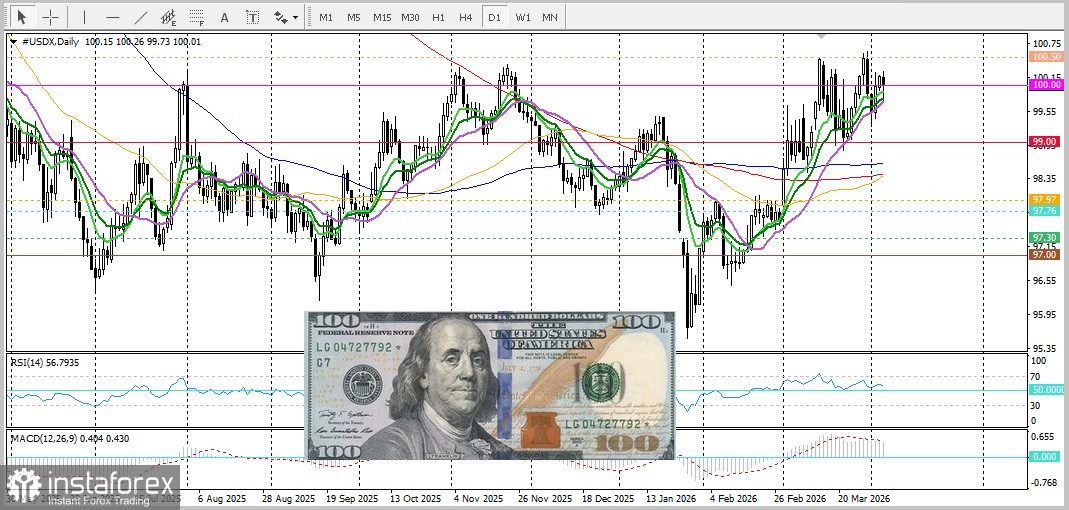
Despite this, the US dollar has partially trimmed its losses, as conflicting headlines continue to heighten uncertainty and temper expectations for a swift resolution to the conflict. The US Dollar Index (DXY) hovers around 100.00, reflecting the unstable nature of market sentiment.
According to IRNA, Iran rejected the proposed framework agreement for a ceasefire conveyed through Pakistan and called for a definitive end to the war. Simultaneously, a US representative quoted by Axios stated that Tehran sent a 10-point response, described as "maximalist," casting doubt on the possibility of advancing toward a diplomatic compromise. This heightens the risk of further escalation, and the likelihood of an agreement before the deadline set by US President Donald Trump remains limited. Beyond immediate geopolitical factors, the market is also evaluating the broader economic consequences of the conflict.
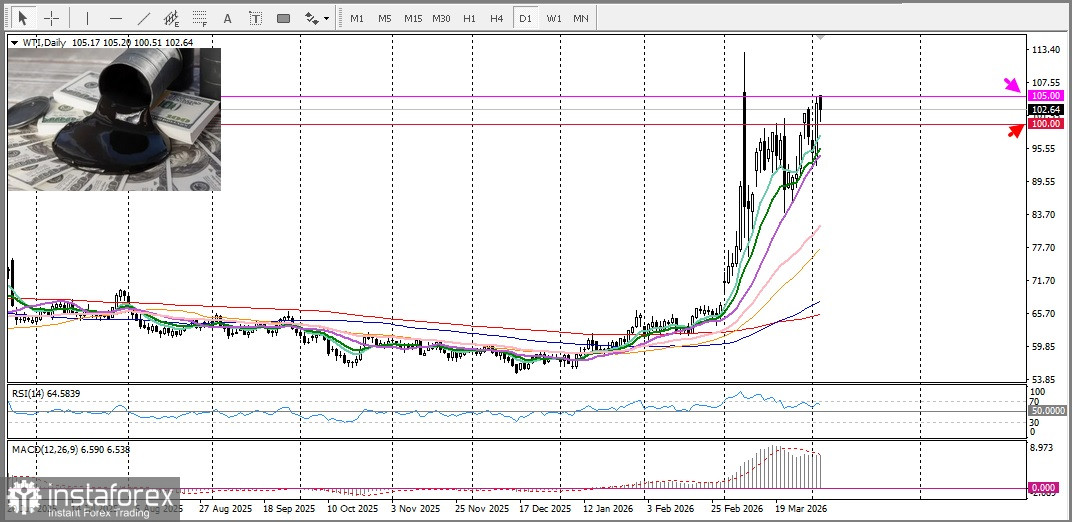
Rising oil prices increase inflationary pressures while heightening the risks of slowing global growth, complicating the policy trajectories of both the Federal Reserve and the Bank of Canada. This is particularly relevant for Canada, as rising energy prices could support raw material exports but also worsen overall macroeconomic conditions.
In the US, the March PMI for the services sector came in at 54, down from 56.1 in February and below expectations of 55. This week, market participants should pay attention to US inflation data, including CPI and PCE, as well as the Canadian employment report, which could provide short-term momentum for the USD/CAD pair.
Among major currencies, the US dollar is demonstrating the greatest strength against the Japanese yen on Monday.
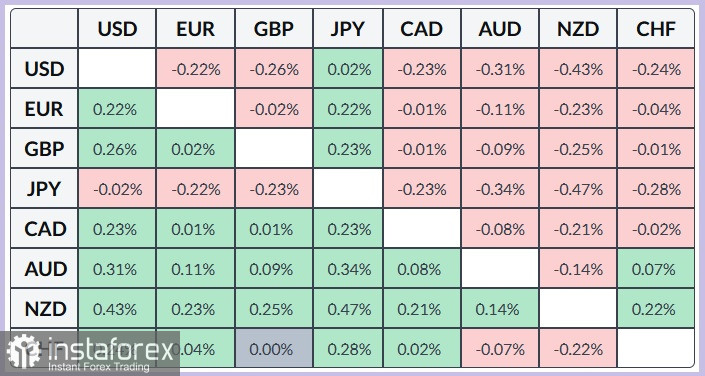
Overall, this suggests the market is not yet ready for a sustainable reversal, and a more pronounced improvement in global risk appetite will be required to confirm further declines in USD/CAD.
From a technical standpoint, the pair is trading above all moving averages, indicating a bullish advantage in the market. However, it is worth noting that the Relative Strength Index is in the overbought zone, suggesting that a correction may be imminent. Nevertheless, after the correction, the pair's path of least resistance remains upward.
*The market analysis posted here is meant to increase your awareness, but not to give instructions to make a trade.
InstaSpot analytical reviews will make you fully aware of market trends! Being an InstaSpot client, you are provided with a large number of free services for efficient trading.


