




Our team has over 7,000,000 traders!
Every day we work together to improve trading. We get high results and move forward.
Recognition by millions of traders all over the world is the best appreciation of our work! You made your choice and we will do everything it takes to meet your expectations!
We are a great team together!
InstaSpot. Proud to work for you!





Actor, UFC 6 tournament champion and a true hero!
The man who made himself. The man that goes our way.
The secret behind Taktarov's success is constant movement towards the goal.
Reveal all the sides of your talent!
Discover, try, fail - but never stop!
InstaSpot. Your success story starts here!

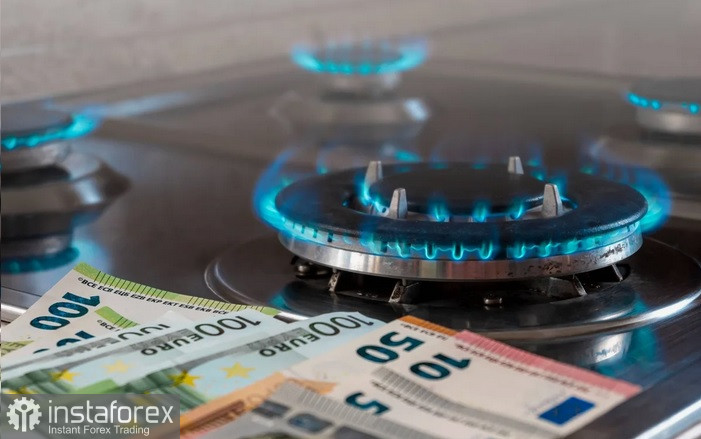
Dutch TTF natural gas futures for April 2026, a key pricing indicator for gas in Europe, are showing a sharp increase from Friday's close. The impetus for the jump was news of QatarEnergy suspending all LNG production following a series of attacks on the company's facilities.
According to Oilprice estimates, Qatar accounts for about 20% of global LNG exports, and the simultaneous shutdown of facilities in Ras Laffan and Mesaieed represents one of the largest supply shocks since the Russia-Ukraine conflict in 2022. QatarEnergy's declaration of force majeure has intensified uncertainty for buyers tied to long-term contracts, who will now likely have to rely on the spot market.
The escalation of issues is not limited to Qatar itself; shipping through the Strait of Hormuz—a key route for exporting oil and gas from the Persian Gulf—has been severely disrupted due to gunfire and threats from Iran. Even with no sustainable damage to infrastructure, the reduction in flows is already heightening competition between Europe and Asia for alternative supplies from the US and Australia. The European market is particularly vulnerable, as gas stocks are currently below last year's levels, making the region sensitive to prolonged disruptions.
According to Bloomberg estimates, Goldman Sachs analysts warn that a month-long suspension of transit through the Strait of Hormuz could double European gas prices relative to levels prior to the current escalation. "If disruptions last longer than two months, gas prices in Europe could exceed €100 per MWh (about $35 per million BTU), leading to a noticeable decline in global demand," the bank's experts note.
On the US market, the dynamics are more restrained: Henry Hub futures are rising moderately as the domestic market is less reliant on imports. However, price increases in Europe and Asia enhance the export premium and limit the flexibility of international purchases, as US LNG plants are already operating at heightened capacity.
Aside from short-term price fluctuations, current events are likely to alter perceptions of geopolitical risks in the global gas market in the long term. Europe's increased reliance on LNG supplies following a reduction in Russian imports makes it more sensitive to maritime routes and regional conflicts. Even if production in Qatar resumes relatively quickly, stiff competition may keep Dutch TTF natural gas futures prices elevated in the coming weeks.
*The market analysis posted here is meant to increase your awareness, but not to give instructions to make a trade.
InstaSpot analytical reviews will make you fully aware of market trends! Being an InstaSpot client, you are provided with a large number of free services for efficient trading.


