




Our team has over 7,000,000 traders!
Every day we work together to improve trading. We get high results and move forward.
Recognition by millions of traders all over the world is the best appreciation of our work! You made your choice and we will do everything it takes to meet your expectations!
We are a great team together!
InstaSpot. Proud to work for you!





Actor, UFC 6 tournament champion and a true hero!
The man who made himself. The man that goes our way.
The secret behind Taktarov's success is constant movement towards the goal.
Reveal all the sides of your talent!
Discover, try, fail - but never stop!
InstaSpot. Your success story starts here!

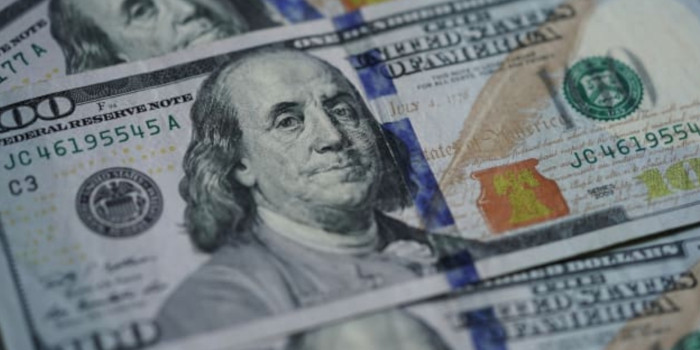
In the Asian trade on Tuesday, the US dollar lost ground once again. The ICE US dollar index, which measures the US dollar against a basket of six major currencies, fell by 0.4%. Generally, it lost 1.3% in August. At the same time, the WSJ Dollar Index also fell against the basket of sixteen currencies by 0.4%.
In March, the US dollar reached its highest level amid growing demand for safe-haven assets. It was the first reaction of financial markets to the coronavirus pandemic. Then, the American currency started to dive. Today, bleak prospects of the US economic recovery prevent the US dollar from gains, the Financial Times noted.
EUR/USD rose by 0.39% to trade at $1.1983. During the session, the euro came close to the psychologically important level of $1.2.
Despite the depreciation of the US dollar, data on spending and income of consumers in the US exceeded all expectations. Analysts from Wells Fargo believe that rising spending would accelerate the pace of the economic recovery. On Friday, this figure rose by 0.4%, although it was expected to grow by only 0.2%. This suggests that there will be a big GDP growth in the third quarter. At current rates, the GDP could reach 35% in annual terms. However, amid the new wave of the coronavirus, some cost cuts may happen in the markets, especially in the services sector.
Against the Japanese yen, the euro rose to 126.72. However, the dollar showed the opposite. It fell by 0.15% to 105.75 yen.
GBP/USD rose by 0.26% to trade at $1.3405. The US dollar remains weak after statements from the Federal Reserve. This is the key driver of the pair. By the way, the beginning of the school year will help to boost UK GDP. Quarantine in the United Kingdom has been lifted, so students can freely go to school and parents return to their jobs. This will certainly have a positive effect on the economic recovery. Experts suggest a rise in business activity in key sectors of the country's economy. Therefore, the pound may receive additional support. That is why experts predicted further growth of the currency.
The Australian dollar does not lag behind. It grew by 0.3% to $0.7398. The Reserve Bank of Australia cut its benchmark interest rate to a record low of 0.25%. And the target yield on three-year government bonds remains at 0.25%.
RBA chief Philip Lowe expects rates to remain "exceptionally low" for some time.
The US dollar dropped against the yuan by 0.4% to 6.8210 yuan.
In China, both external and internal demand is growing. As a result, the Purchasing Managers Index in China's Industrial Sector, calculated by Caixin Media Co. and Markit, has risen to the highest level for the first time since January 2011.
In August, this figure reached 53.1 points. However, according to Trading Economics, analysts expected it to drop to 52.6.
InstaSpot analytical reviews will make you fully aware of market trends! Being an InstaSpot client, you are provided with a large number of free services for efficient trading.


