




Our team has over 7,000,000 traders!
Every day we work together to improve trading. We get high results and move forward.
Recognition by millions of traders all over the world is the best appreciation of our work! You made your choice and we will do everything it takes to meet your expectations!
We are a great team together!
InstaSpot. Proud to work for you!





Actor, UFC 6 tournament champion and a true hero!
The man who made himself. The man that goes our way.
The secret behind Taktarov's success is constant movement towards the goal.
Reveal all the sides of your talent!
Discover, try, fail - but never stop!
InstaSpot. Your success story starts here!

On Wednesday, the Federal Reserve's verdict may determine the direction of the U.S. dollar for several weeks (or even months) ahead. The December meeting is particularly significant because, amid internal disagreements, the central bank must define its position regarding the pace of monetary policy easing.
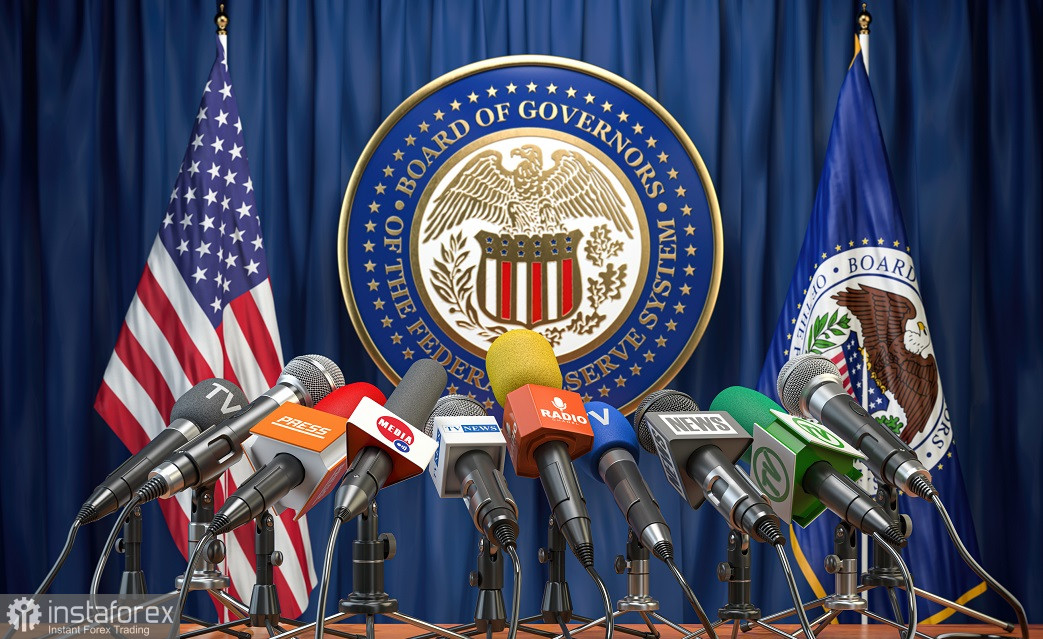
First, it is essential to note that the formal outcomes of the December meeting are virtually predetermined. According to CME FedWatch data, the probability of a 25-basis-point rate cut is 90%. Thus, the market has little doubt about this. The implementation of the base scenario will not surprise anyone—traders' attention will be focused on the accompanying statement and the rhetoric of Fed Chair Jerome Powell. The intrigue lies in how aggressive future monetary policy easing will be, and there is no consensus on this.
The overwhelming majority of economists surveyed by Reuters (89 out of 109) expect the central bank to implement a 25-point cut at the December meeting. However, only 50 of them considered the possibility of an additional rate cut during the first quarter of 2026. According to the same CME FedWatch data, the probability of a rate cut in January is 23%, while in March it is 37%.
In other words, the market does not doubt the prospects of a rate cut in December but is skeptical about the likelihood of further easing—at least in the first quarter of next year. This indicates that the December meeting could play out in one of two scenarios: either the Fed confirms market expectations by announcing a wait-and-see approach, or it refutes them by allowing the possibility of an additional rate cut at one of the upcoming meetings.
It is noteworthy that both the "dovish wing" of the Fed and those favoring a wait-and-see position can support their views with macroeconomic arguments.
On the side of the "doves" are the ISM manufacturing index, which remains in contraction territory, falling to 48.2; retail sales, which increased only by 0.2% (the lowest level since May); consumer confidence, which fell to a multi-month low of 88.7; and a mixed labor market report reflecting an increase in U.S. unemployment to 4.4% (the highest level since October 2021). Additionally, the Richmond Fed manufacturing index plummeted to -15 points (against a forecast of -5), and the Durable Goods Orders report revealed a meager 0.5% increase in orders for durable goods after a 2.5% increase the previous month.
On the side of moderate hawks is inflation. Although I believe this is not the strongest argument for advocating a hawkish position. While inflation in the U.S. remains relatively high, key indicators are either growing slowly or stagnating. In particular, the latest CPI growth report for September (the last published) showed a slower overall inflation rate increase (3.0% against a forecast of 3.1%) and a deceleration in core inflation (3.0%, after rising to 3.1% in August). Overall PPI increased to 2.7% year-on-year in September (after a decrease to 2.6% in August), while core PPI, excluding food and energy prices, rose to 2.9% (against a forecast of +2.8% – this was the only component of the report that came in positive).
The ISM services activity index also improved, rising to 52.6 (against a forecast of a decline to 52.0). This indicator shows an upward trend for the second consecutive month. However, not everything is "smooth" here either. For instance, the employment component remains in contraction territory (48.9), meaning growth in the services sector is not accompanied by employment strengthening. Moreover, the new orders component significantly declined in November, from 56.2 to 52.9.
On the hawks' side, the University of Michigan's consumer sentiment index rose to 53.0 this month, above a forecast of 52.0. This indicator showed an upward trend for the first time after four months of consecutive declines. On one hand, everything is straightforward here, with no "flaws." But on the other hand, despite its increase, the index remains low by historical standards. For example, in December last year, it was at 74.0. Moreover, some components of this index—such as the perception of current conditions—show a downward trend, reflecting persistent structural issues (in particular, the Current Economic Conditions Index fell in December to 50.7 from 51.1).
Therefore, in my opinion, the results of the December Fed meeting will likely have a "dovish" tone. The central bank is unlikely to announce the next rate cut directly, but it will focus on the risks of a weakening labor market and weaker economic data, while highlighting inflation risks.
The intrigue remains in this issue. As of today, it is only reliably known that five voting members of the Committee among twelve have opposed further rate cuts. Four have openly favored easing monetary policy—three members of the Board of Governors (Miran, Waller, Bowman) and the New York Fed President, Williams. Whether the "doves" will be able to impose their initiative on the centrists remains an open question.
*এখানে পোস্ট করা মার্কেট বিশ্লেষণ আপনার সচেতনতা বৃদ্ধির জন্য প্রদান করা হয়, ট্রেড করার নির্দেশনা প্রদানের জন্য প্রদান করা হয় না।
ইন্সটাফরেক্স বিশ্লেষণমূলক পর্যালোচনাগুলো আপনাকে মার্কেট প্রবণতা সম্পর্কে পুরোপুরি সচেতন করবে! ইন্সটাফরেক্সের একজন গ্রাহক হওয়ায়, দক্ষ ট্রেডিং এর জন্য আপনাকে অনেক সেবা বিনামূল্যে প্রদান করা হয়।


