




Đội ngũ của chúng tôi có hơn 7,000,000 thương nhân!
Hàng ngày chúng tôi làm việc cùng nhau để cải thiện việc giao dịch. Chúng tôi nhận được kết quả cao và luôn tiến lên phía trước.
Sự công nhận của hàng triệu thương nhân trên toàn thế giới là sự đánh giá tốt nhất cho công việc của chúng tôi! Bạn đã đưa ra quyết định của mình và chúng tôi sẽ làm mọi thứ cần thiết để đáp ứng mong đợi của bạn!
Chúng ta cùng với nhau sẽ là một nhóm tuyệt vời!
InstaSpot. Tự hào làm việc cho bạn!





Diễn viên, nhà vô địch mùa giải UFC 6 và là người hùng thật sự!
Người tự mình làm nên tất cả. Người đàn ông đáng kể học hỏi.
Bí mật đằng sau thành công của Taktarov là sự cố gắng liên tục hướng tới mục tiêu.
Hãy khai phá tất cả các mặt tài năng của bạn!
Khám phá, thử, thất bại - nhưng không bao giờ dừng lại!
InstaSpot. Câu chuyện thành công của bạn bắt đầu từ đây!
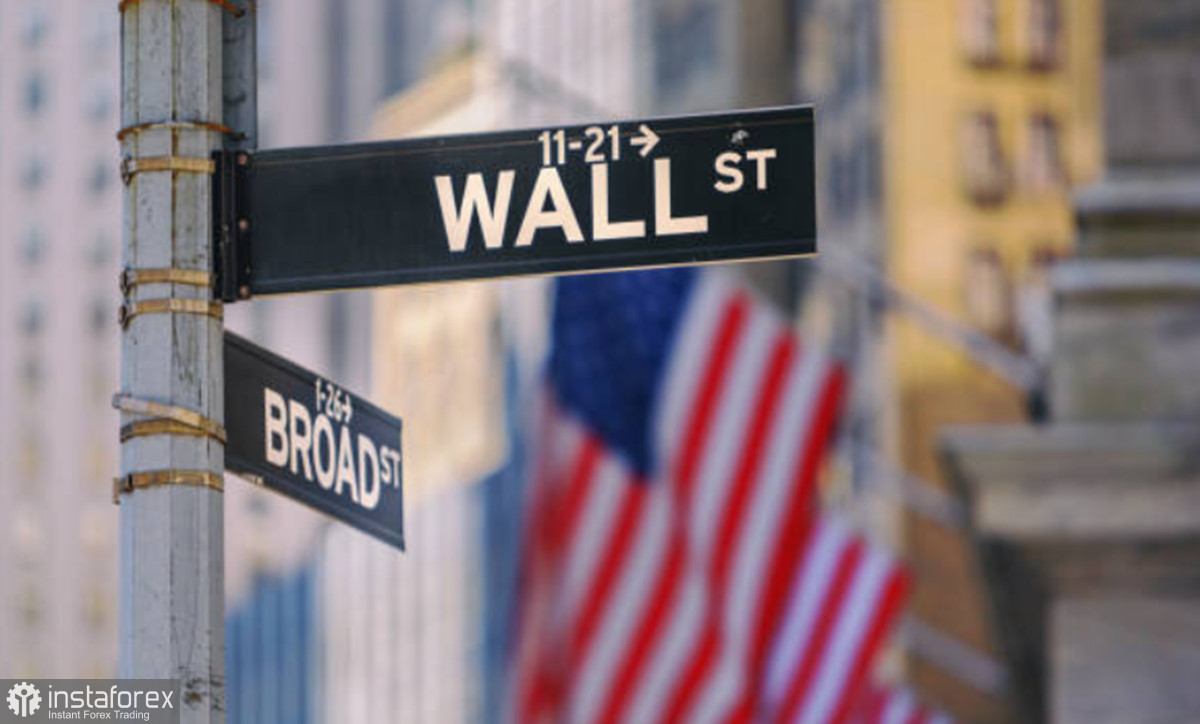
The US stock market is showing mixed performance, reflecting investors' ambivalent outlook after the holiday break. In the latest trading session, the S&P 500 slipped 0.03%, while the Nasdaq rose 0.13%.
This pattern points to a localized capital rotation: the tech sector remains relatively resilient, while commodity-linked and cyclical industries are under pressure.
As expected, the Federal Reserve held its key interest rate steady. Yet, remarks by Fed Chairman Jerome Powell offered little clarity on the future direction of monetary policy. While the Fed's baseline forecast includes two rate cuts by the end of 2025, intensifying inflation risks, tariff-related uncertainties, and signs of economic deceleration are setting the stage for interest rates to stay elevated for longer.
The Fed may be forced to revise its outlook toward a more hawkish stance if inflation fails to ease and the external environment deteriorates further.
One of the key external variables shaping the markets remains the Middle East. The Israel-Iran conflict remains acute, and signs of potential US involvement in the region are heightening systemic risk. Geopolitical tension is already weighing on the energy sector, amplifying overall volatility and dampening appetite for risk assets.
Out of the 11 sectors in the S&P 500, seven closed lower, with energy emerging as particularly vulnerable due to the recent decline in oil prices. Meanwhile, tech continues to outperform, underlining investor preference for companies with strong financials and predictable earnings amid global uncertainty.
Technical outlook
From a technical standpoint, the S&P 500 index remains confined within the 5,920–5,980 range, with the current price hovering near 5,950, right in the middle of this corridor. A break below the 5,920–5,900 zone could trigger an accelerated decline toward 5,875–5,850.
Immediate resistance is noted around 5,975–5,980. If breached, the market may attempt to test the 6,025–6,050 levels. Technical indicators remain neutral: the RSI fluctuates around the 50 mark, and the MACD shows no clear directional signal, reinforcing the view of a consolidation phase.
The Nasdaq 100 appears technically stronger, with support located near 21,400–21,300, an area favored by short-term buyers. Resistance is seen in the 21,800–21,900 range, where the market has previously reversed.
A break above this area could open the way toward 22,000–22,100, although that would likely require positive cues from leading tech names or a stabilization in the broader macro environment.
Following the holiday session, the market is expected to gradually emerge from its subdued state. An initial corrective wave wouldn't be surprising, but the key variable will be the response to macroeconomic data and Federal Reserve commentary.
This week's events and market outlook
Fed announcements: Jerome Powell is expected to offer clearer guidance on the pace of interest rate cuts and inflation risks. The market's response will hinge on his tone. If it becomes evident that a recession is a possibility, profit-takers may begin offloading assets. Conversely, if the commitment to dovish policy strengthens, further gains could follow.
Macroeconomic data: Reports on labor market conditions, consumer activity, and the Producer Price Index (PPI) will help shape perceptions around the Fed's pause mode. An uptick in economic activity could trigger profit-taking, while weaker data would reinforce the Fed's dovish bias.
Geopolitics: If tensions between Israel and Iran intensify, risk assets such as the S&P would take a harder hit than the tech sector. So far, technology stocks have proven more resilient, but investor sentiment remains fragile.
Base-case scenario: Indices are likely to remain range-bound: S&P within 5,900–6,000, Nasdaq within 21,300–21,900. Expect intraday arbitrage within these zones during major news releases.
Bullish scenario: If the Fed reaffirms its anchoring rhetoric, geopolitical risks ease, and macro indicators hold steady, a return to the upper border of the ranges is likely, with potential breakouts: the S&P pushing toward 6,050, the Nasdaq to 22,100 or higher.
Bearish scenario: An escalation in geopolitical conflict, a more hawkish Fed stance, a sharp inflation spike, or renewed tariff pressures could drive indices to retest their lower borders: the S&P toward 5,900–5,875, the Nasdaq down to 21,300–21,100.
*Phân tích thị trường được đăng tải ở đây có nghĩa là để gia tăng nhận thức của bạn, nhưng không đưa ra các chỉ dẫn để thực hiện một giao dịch.
InstaSpot analytical reviews will make you fully aware of market trends! Being an InstaSpot client, you are provided with a large number of free services for efficient trading.


