




Huyền thoại trong nhóm InstaSpot!
Huyền thoại! Bạn nghĩ rằng đó là lời nói khoa trương? Nhưng chúng ta nên gọi một người đàn ông như thế nào, người đã trở thành người châu Á đầu tiên giành chức vô địch cờ vua thế giới lứa tuổi thiếu niên năm 18 tuổi và người trở thành Đại kiện tướng Ấn Độ đầu tiên năm 19 tuổi? Đó là khởi đầu cho con đường khó khăn đến danh hiệu Vô địch Thế giới của Viswanathan Anand, người đàn ông đã trở thành một phần của lịch sử cờ vua mãi mãi. Giờ đây, một huyền thoại nữa trong nhóm InstaSpot!





Borussia là một trong những câu lạc bộ bóng đá danh giá nhất nước Đức, đã nhiều lần chứng minh cho người hâm mộ thấy: tinh thần thi đấu và sự lãnh đạo chắc chắn sẽ dẫn đến thành công. Giao dịch theo cách mà các chuyên gia thể thao chơi trò chơi: tự tin và chủ động. Giữ một "đường chuyền" từ Borussia FC và dẫn đầu với InstaSpot!
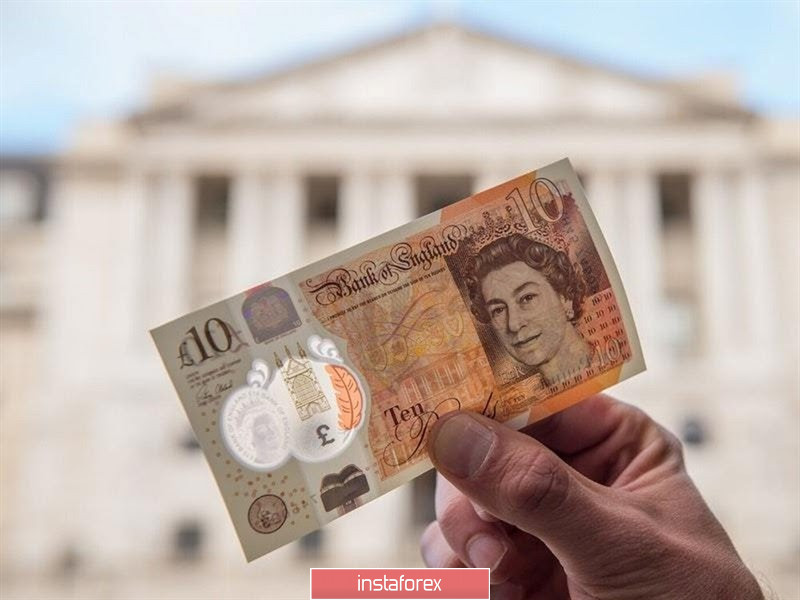
While the major currencies have recently fallen in value against the US dollar due to uncertainty related to the coronavirus outbreak, the pound's collapse to its lowest levels since the early 1980s was due to the presence of uncertainty. While the timing and scale of the epidemic remain in question, it is still not clear how the UK-EU trade talks will end.
Just as the euro entered 2020 with optimism about a truce in the trade war between Washington and Beijing, the pound sincerely hoped that reducing political risks would help accelerate British GDP growth. This allowed experts to talk about the bullish prospects for GBP/USD. Expectations of a large-scale fiscal stimulus from the new head of the British Finance Ministry, Rishi Sunak, added fuel to the fire. Against this background, speculators continued to increase the longs for sterling, which were near two-year highs on the eve of its defeat.
The main reasons for the sell-off of the pound were the coronavirus, the reluctance of the Prime Minister of the United Kingdom Boris Johnson to prolong the transition period after Brexit due to the difficult epidemiological situation, as well as a large-scale flight of investors to the US dollar.
Global liabilities denominated in USD amount to $12 trillion, or about 60% of US GDP, and the greenback's share in global trade flows, cross-border lending, and risk-free assets is 40%, 50%, and 65-85%, respectively. Therefore, it is not surprising that capital flows to the US dollar during periods of global economic stress.
In addition to increasing demand for the greenback amid the collapse of the global stock market, the peak of GBP/USD was driven by concerns about Great Britain's economic vulnerability to external threats, as well as the desire of foreign investors to get rid of toxic British assets. The United Kingdom's approach to coronavirus has so far been significantly different from that of other countries, which has increased the risk of a massive epidemic spreading in the country and has led to the sale of local stocks and bonds.
An increase in the likelihood of monetary policy easing by the Bank of England also put pressure on the pound. The market's belief in the regulator's interest rate cut and QE revival turned out to be a greater evil for the bulls in GBP/USD than the BoE's real monetary expansion.
On the eve of the meeting of the Monetary Policy Committee of the Bank of England, it was unanimously voted that the interest rate be reduced from 0.25% to 0.1% and they also promised to increase the volume of the program of repurchase of government bonds and corporate bonds by £200 billion pounds to £645 billion.
The package of measures announced by the BoE helped the GBP/USD pair recover after it reached its lowest level since 1985 at around 1.1450.
On the decision of the regulator on monetary policy, the exchange rate of the pound against the US dollar rose above the level of $1.17.
"Supporting the UK economy and health system will require significantly higher government borrowing. A central bank that demonstrates its willingness to buy public debt will provide the market with the opportunity to absorb this additional emission without undue stress," said Karen Ward of JP Morgan Asset Management.
The pound has also benefited from some improvement in risk sentiment in the markets thanks to efforts by central banks and national governments to mitigate the effects of the spread of the coronavirus.
The US dollar rally lost some momentum against this background, although the USD index is still staying near multi-year highs. Over the past week it has grown by more than 6%, rising above 103 points.
The fall in GBP/USD may continue in case panic resumes in the market. If we proceed from the fact that a significant part of the negative has already been taken into account in quotes, then, given the stabilization of the situation in the markets, the pound will most likely begin to win back the losses. Interest in purchases of the British currency will increase when it returns to the area of $1.19–1.20.
InstaSpot analytical reviews will make you fully aware of market trends! Being an InstaSpot client, you are provided with a large number of free services for efficient trading.


