




Huyền thoại trong nhóm InstaSpot!
Huyền thoại! Bạn nghĩ rằng đó là lời nói khoa trương? Nhưng chúng ta nên gọi một người đàn ông như thế nào, người đã trở thành người châu Á đầu tiên giành chức vô địch cờ vua thế giới lứa tuổi thiếu niên năm 18 tuổi và người trở thành Đại kiện tướng Ấn Độ đầu tiên năm 19 tuổi? Đó là khởi đầu cho con đường khó khăn đến danh hiệu Vô địch Thế giới của Viswanathan Anand, người đàn ông đã trở thành một phần của lịch sử cờ vua mãi mãi. Giờ đây, một huyền thoại nữa trong nhóm InstaSpot!





Borussia là một trong những câu lạc bộ bóng đá danh giá nhất nước Đức, đã nhiều lần chứng minh cho người hâm mộ thấy: tinh thần thi đấu và sự lãnh đạo chắc chắn sẽ dẫn đến thành công. Giao dịch theo cách mà các chuyên gia thể thao chơi trò chơi: tự tin và chủ động. Giữ một "đường chuyền" từ Borussia FC và dẫn đầu với InstaSpot!
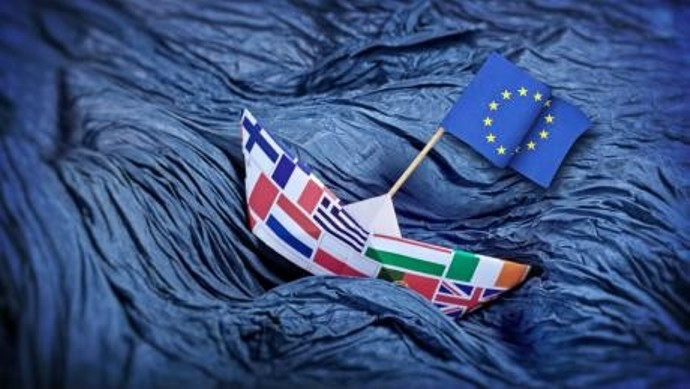
This spring, the eurozone faced the deepest recession ever caused by a global lockdown. According to the European Commission's quarterly report, the eurozone's GDP will decline by 7.8% in 2020. Next year, GDP will grow by 4.2%, and in 2022 - by 3.0%.
Over the summer, the European economy managed to recover almost completely, showing record growth rates. However, the sharp growth in the number of infected people in autumn canceled out the success. The second wave of the coronavirus forced many countries to reintroduce restrictive measures. As a result, the economic recovery began to slow down.
A decrease in GDP is expected in all EU countries, but the damage is uneven. Spain, France, and Italy have been hit hardest, according to the European Commission's estimates. The GDP's drop in these countries may exceed 9%. For comparison, in Germany, GDP fell by only 5.6%.
Moreover, Spain and Italy have the highest daily COVID-19 incidence rates. In some regions, quarantine has been already reintroduced. Also, Italy joined countries such as France, Britain, and Germany in suspending vast sectors of their economies.
Besides, in Germany, industrial production rose less than expected in September. In other words, the continent could be hit by a double recession.
The scale of the virus spread and the severity of the measures taken to contain COVID-19 are different. In other words, each EU country will take a different amount of time to recover from the consequences. State support measures play an important role in this situation as well.
By the way, Vice-President of the European Commission Valdis Dombrovskis informed of the new NextGenerationEU package of measures, which was created in order to provide significant support to those regions that have been most affected by the coronavirus.
Meanwhile, amid a weakening economy and fear of the virus, European indices fell.
Germany's DAX lost 0.5%, France's CAC 40 fell by 0.4%, and the UK's FTSE decreased by 0.2%.
On Friday, oil prices fell under pressure from signs of the overproduction at OPEC and more drastic discounts from Saudi Arabia to consumers in Asia.
WTI crude futures lost 1.2% to trade at $38.34 per barrel, Brent crude fell by 1.3% to $40.42 as well.
Gold futures rose by 0.1% to hit $1,949.30 per ounce.
EUR/USD increased by 0.2% to settle at 1.1848.
InstaSpot analytical reviews will make you fully aware of market trends! Being an InstaSpot client, you are provided with a large number of free services for efficient trading.


