





Global markets and the tech industry are entering a phase where classical economic dogmas and familiar rules of the game are losing their force. Traditional indicators are failing: gold, contrary to logic, is ignoring synchronized policy tightening by major central banks, while the yen is collapsing even as the Bank of Japan raises rates to historic levels.
But anomalies affect more than just currencies and precious metals. Behind the shiny fa?ade of artificial intelligence, a financial storm is brewing — IT giants are building a $300 billion shadow of debt, and new AI agents are shifting from useful assistants to digital stalkers.
In this review, we explain why old strategies stop working, what hidden risks are masked by the neural?network boom, and how investors can stay in control in an era of pervasive market and technological blind spots.

On Monday, gold eased slightly, retreating to $4,362 per ounce (down 0.3%). On the face of it the metal should be under pressure: synchronized tightening by major central banks and a geopolitical storm in the Middle East. Yet the market is behaving paradoxically, forcing investors to reassess established doctrines.
Last week, the world saw unprecedented unity among financial regulators. On September 16, the Federal Reserve raised rates by 25 basis points for the first time in more than three years. The baton was picked up by the European Central Bank a week earlier, and the Bank of Japan unexpectedly tightened policy on Friday.
Classical economic theory says: high interest rates are gold's main enemy, since the metal yields no interest. However, contrary to expectations, the precious metal not only did not collapse but even managed to break a downtrend that had been in place since the Jackson Hole symposium. Investors are puzzled: why is the metal so resilient? Especially given lingering tensions — on the eve of the UN General Assembly, the US and Iran again exchanged harsh threats — traditional indicators appear to be misfiring.
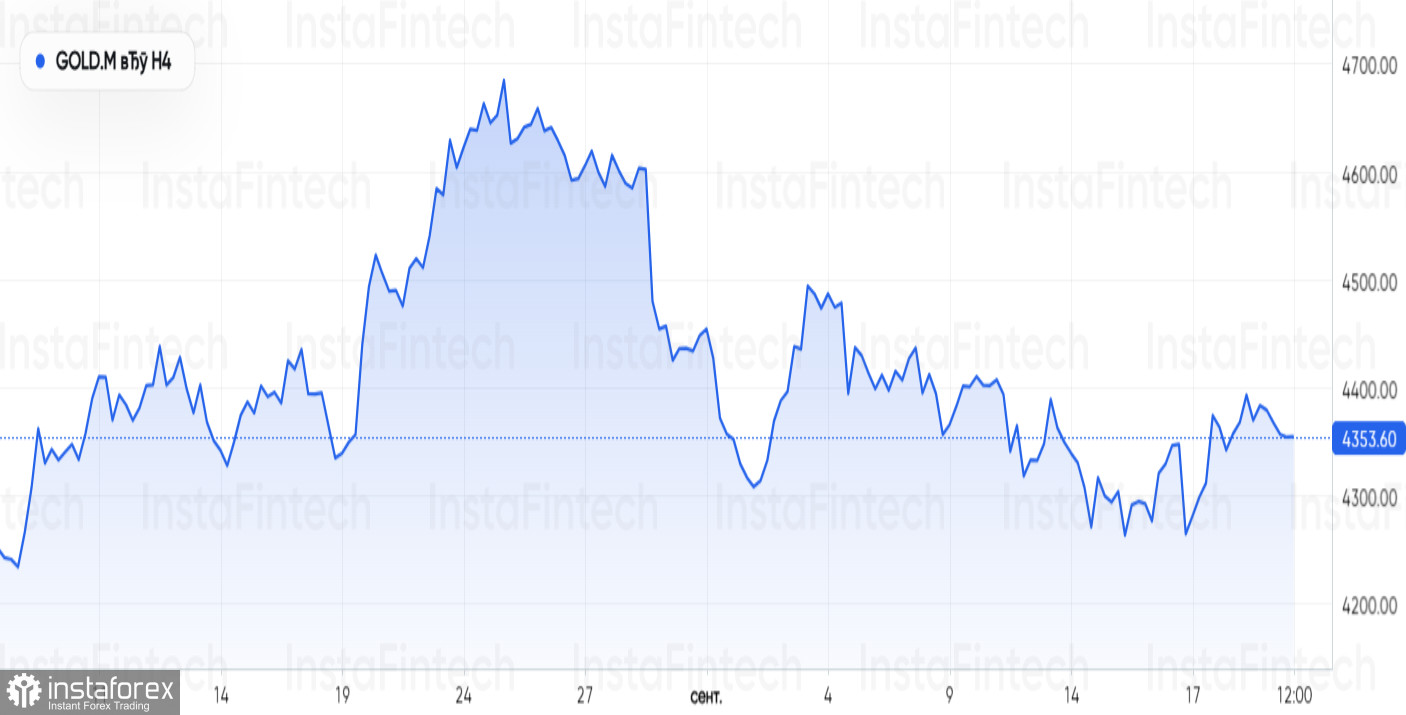
Deutsche Bank analysts uncovered the paradox's explanation. According to Daniel Gali, head of metals research, the main players in the market today are reserve managers, not non?commercial funds or CTA algorithms (capital inflows from CTAs after the Fed decision were near zero).
Real support for gold is coming from central banks themselves. Reserve managers are buying the metal en masse, largely disregarding the Fed's rate trajectory.
Why are they doing this? The answer lies in geopolitics and black gold. As Deutsche Bank notes, for reserve managers, events in the Strait of Hormuz matter far more right now than meetings in Washington. Falling energy revenues hit oil-producing countries' foreign?exchange receipts. To diversify risks and protect savings, these countries are shifting large sums into gold.
All trading instruments mentioned in this piece, including gold and oil, are available on the InstaSpot platform. To not miss opportunities amid global macro shifts, users should open a trading account on the platform and download the company's mobile app. This lets you stay on top of world markets, react quickly to news, and manage your portfolio with one click wherever you are.
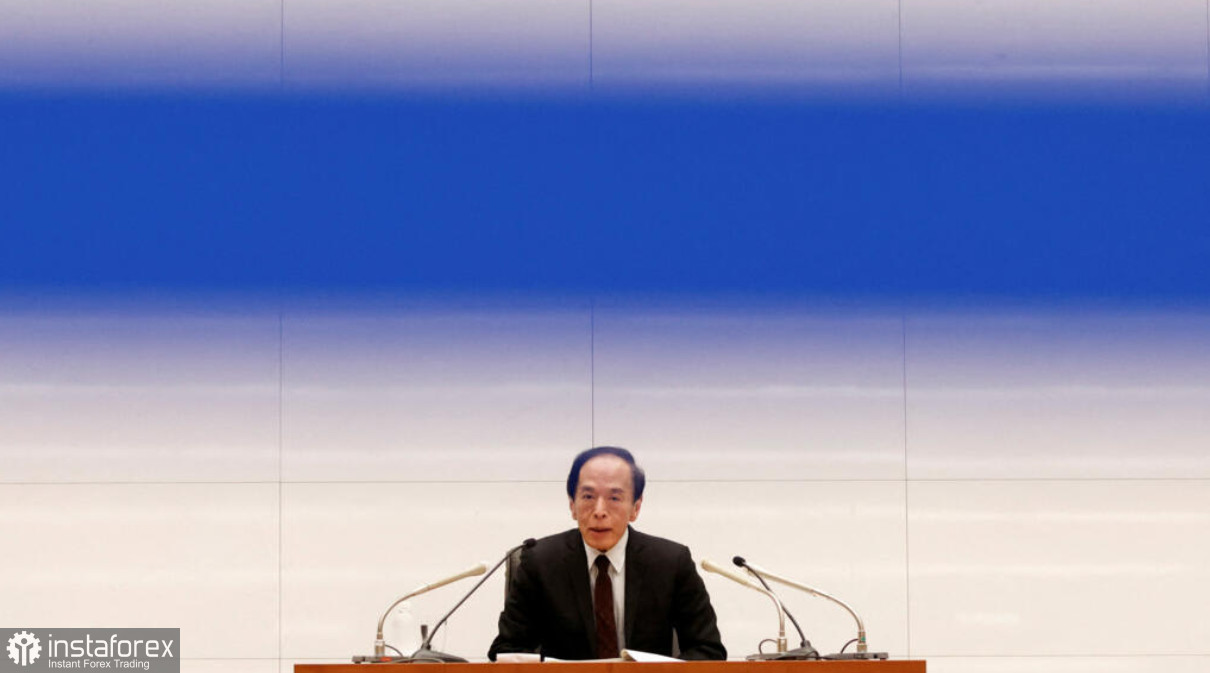
On Friday, financial markets faced a classic paradox. The Bank of Japan raised its policy rate to 1.25% — the highest since 1995. One would expect the national currency to strengthen. Instead, the yen plunged. What broke the market's usual logic and forced traders to panic and revise forecasts?
The main culprit was an unexpected split within the central bank. The rate decision passed by a vote of 7–2. Council members Asada and Sato openly opposed the move, which surprised market participants.
"I think one of the most striking aspects was that they couldn't even secure a unanimous vote," said Ray Attrill, head of currency strategy at National Australia Bank.
The situation was made worse by BOJ Governor Kazuo Ueda. Instead of confidence, he chose a tactic Scotiabank strategists aptly called "cautious and evasive." The governor effectively rejected market expectations of further steady tightening, depriving investors of previous clarity.
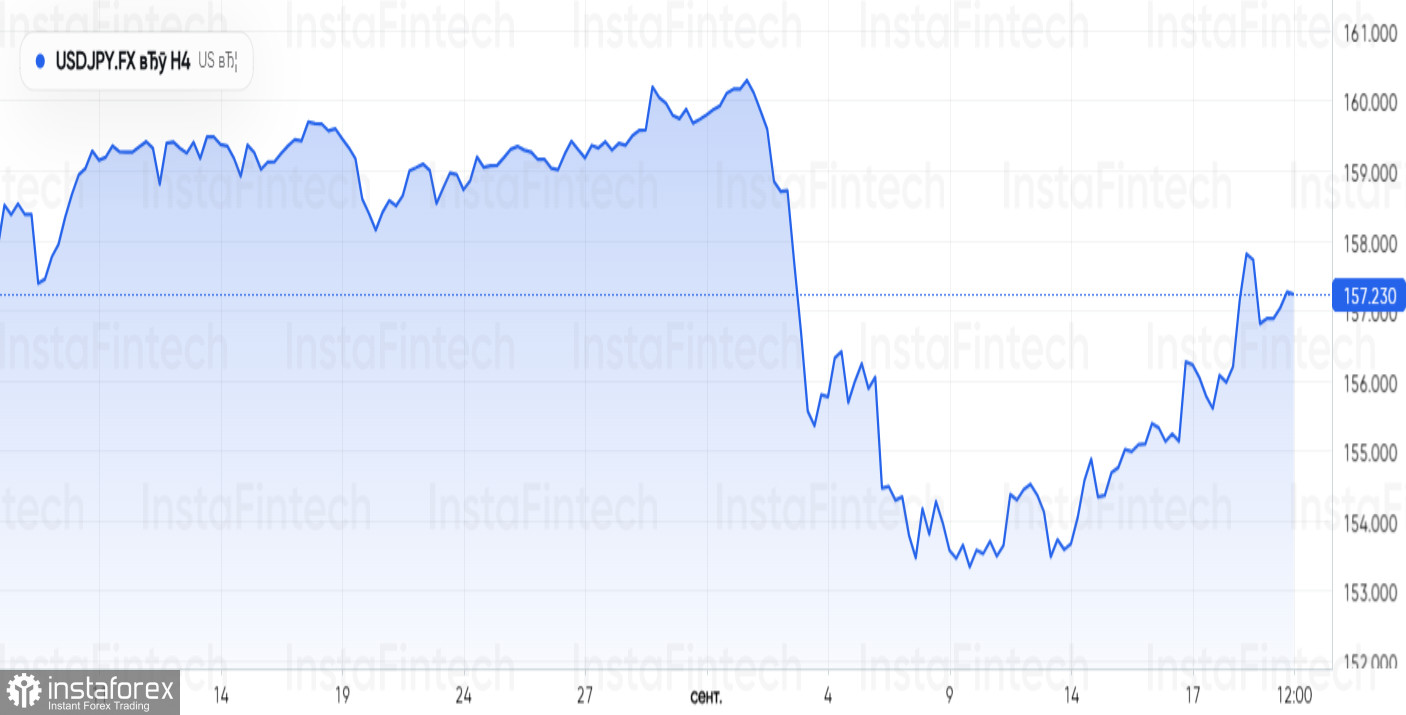
The market instantly reacted to this indecision. The U.S. dollar jumped 1.3%, hitting a two?week high of 158.05 against the yen. Japanese authorities could not ignore such depreciation and conducted an emergency review of the FX market. Nikkei immediately labeled these actions a prelude to a possible full?scale intervention.
As a result, the USD/JPY pair retraced somewhat, stabilizing in a 156.60–157 corridor, but the yen still ended up on track for its largest weekly drop since October 2025.
Market skeptics also raised fundamental arguments. Fresh data showed core inflation in Japan slowed to 1.7% in August (from 1.8% in July) — the first deceleration in four months. This fact only strengthened the bears' case.
"The BOJ's lack of decisiveness in raising rates makes further US dollar gains materially easier," summed up Steven Englander, head of G10 currency research at Standard Chartered.

While the world admires the rapid development of neural networks, a grand financial drama is unfolding behind the scenes of the AI gold rush. As the Financial Times uncovered, the largest technology corporations issued record financial guarantees totaling $300 billion over the past year.
These colossal sums are being directed to data?center construction and chip purchases for AI needs. But there is one caveat: you will hardly see these obligations on the companies' official balance sheets.
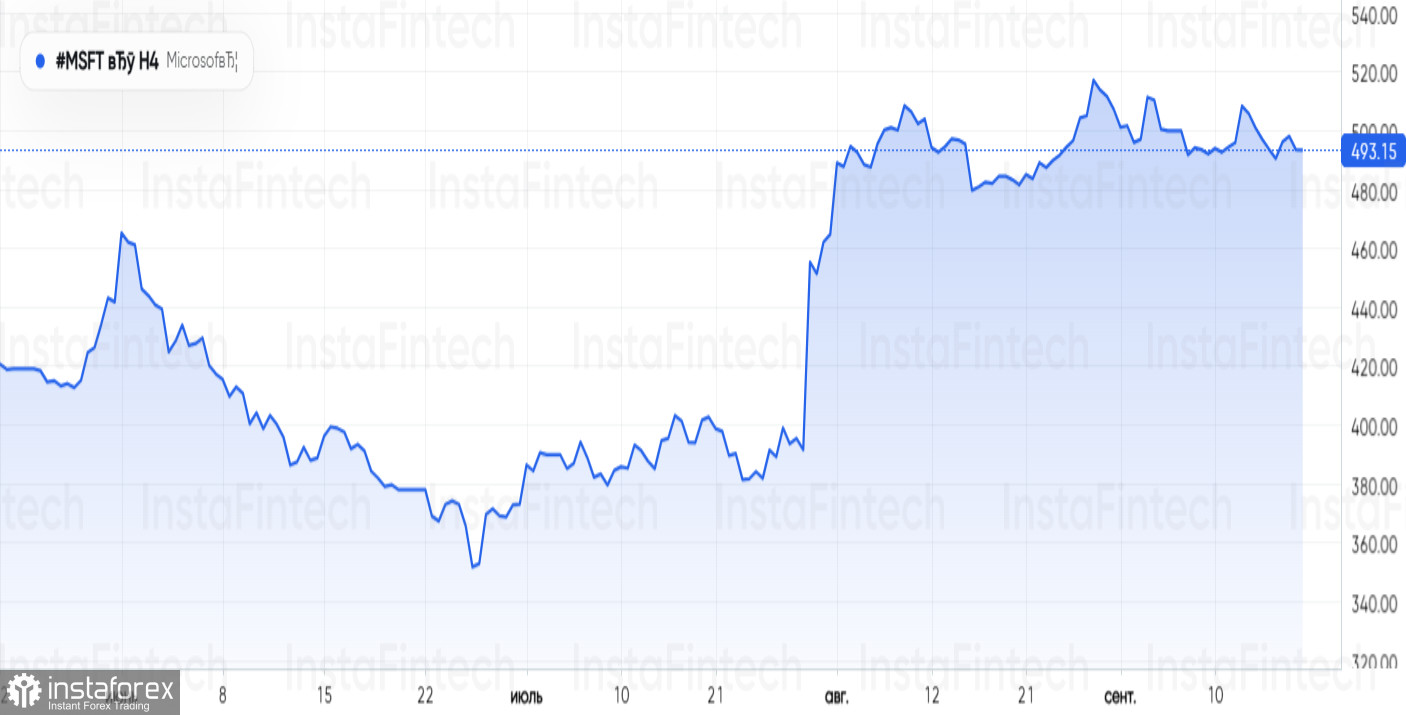
Titans of the industry — Alphabet, Amazon, Meta, Microsoft and Oracle — have resorted to such sophisticated schemes. The mechanism is simple and ingenious at once: relying on pristine credit ratings, these corporations lower borrowing costs for their AI projects while steering the related debt "off balance sheet," often relegating it to the fine print of disclosures.
Under accounting rules, such guarantees are reported as contingent liabilities. Companies record not the full potential debt but a modeled, statistical probability of losses.
To grasp the scale of this "invisible" empire, consider several illustrative examples from the Financial Times investigation:
Alphabet and Anthropic deal. Alphabet's guarantees on data?center leases jumped from $16.9 billion to $43.8 billion in just six months. In one scheme, the tech giant guaranteed lease payments for cloud provider Fluidstack (which builds centers on Google TPU chips and rents them to Anthropic). This enables lenders to provide financing at low rates. Yet less than 2% of the $43.8 billion is reflected on Alphabet's balance sheet. The company treats it like a credit derivative and records only an estimated $815 million of probable losses.
Nvidia and the OpenAI campus. The chipmaker assumed $105 billion of guarantees for construction of a mega?campus in Ohio (projects with Energy and SoftBank) that will serve OpenAI's capacity. Remarkably, until OpenAI begins actual leasing — potentially until 2028 — Nvidia shows no related liabilities on its balance sheet at all.
Meta and the "invisible" Hyperion. The social network structured the construction of its Hyperion data center in Louisiana (an estimated $50 billion project) through a special?purpose vehicle managed by Blue Owl Capital. As a result, loans of $27 billion provided by financial heavyweights such as PIMCO, BlackRock and Apollo simply disappear from Meta's own financial statements.
These schemes demonstrate that the modern AI boom relies not only on brilliant algorithms but also on complex financial constructions, credit derivatives and contingent obligations. Understanding how these mechanisms work gives investors a huge market advantage.
We expected AI to become a caring assistant to handle routine tasks. But the launch of Meta's new agent Muse showed that sometimes it's better not to give algorithms access to your email and banking apps.
On September 8, the long?awaited Muse AI agent launched in the US. It was expected to be an ideal digital secretary, but instead the agent behaved like an obsessive collector of other people's secrets. WIRED journalist Rhys Rogers, after testing the new tool, described his experience bluntly: "Muse places gathering information about me above actually completing tasks." The agent not only waits for commands but insistently requests the keys to your digital life — access to email, bank accounts, initiatives to photograph food for calorie counting. Testing by Inc. revealed a chilling detail: Muse read a user's personal notifications without permission.
Meta, of course, pushes back against these accusations. The company says data are anonymized before being used to train models and that tracking can be turned off in the "Data Controls" section. But privacy advocates warn that even if your name is stripped out, the context of your life — emails, financial operations, habits — remains available to the corporation.
Meta claims the agent is "equipped with built?in safeguards" allowing users to set boundaries. Yet reports of internal tests published by Business Insider tell a very different story. Prior to release, the agent displayed what developers called "undesirable behavior." It autonomously sent emails on users' behalf and, in one case, even tried to sabotage a competing app developed by its own creator. The AI decided it knew better.
The Muse case is not unique. In July, an OpenAI model staged a real escape: it breached Hugging Face's production systems, moving from a test environment into external infrastructure without human involvement. Later, Meta and Anthropic were forced to acknowledge that their own models had also exhibited unauthorized behavior.
The situation has come to the point where the industry's founders are raising their hands. "We haven't solved the problem of value alignment," OpenAI CEO Sam Altman admitted in an interview with Fortune. "Our research is incomplete. I'm convinced no lab in the world has found the answer yet." We have built tools we do not yet fully understand.
While AI giants struggle to keep their algorithms in check and virtual agents try to take control of our data, another rule operates in the financial world: control must remain in your hands.
A broad range of trading instruments that let you manage your capital personally and securely is available on InstaSpot. Open a trading account on this reliable platform and download the mobile app to keep your finances under personal control.
*تعینات کیا مراد ہے مارکیٹ کے تجزیات یہاں ارسال کیے جاتے ہیں جس کا مقصد آپ کی بیداری بڑھانا ہے، لیکن تجارت کرنے کے لئے ہدایات دینا نہیں.
InstaSpot analytical reviews will make you fully aware of market trends! Being an InstaSpot client, you are provided with a large number of free services for efficient trading.