




ہمارے ٹیم میں 7000000 سے ذائد تاجران شامل ہیں
ہم تجارت کی بہتری کے لئے ہر روز اکھٹے کام کرتے ہیں اور بہترین نتائج حاصل کرتے ہوئے آگے کی جانب بڑھتے ہیں
دُنیا بھر سے سے لاکھوں ہمارے بہترین کام کو سند عطاء کرتے ہیں آپ اپنا انتحاب کریں باقی ہم آپ کی توقعات پر پورا اترنے کے لئے اپنی بہترین کوشش کریں گے
ہم مل کر ایک بہترین ٹیم بناتے ہیں
انسٹا فاریکس آپ سے کام کرتے ہوئے فخر محسوس کرتا ہے





ایکٹر - یو سی ایف 6 ٹورنامنٹ چیمپین اور واقعی ہیرو
ایک فرد کے جس نے اپنا آپ منوایا ہے وہ فرد کہ جو ہماری راہ پر چلا ہے.
ٹکٹا روو کی کامیابی کا راز یہ ہے کہ وہ اپنے اہداف کی جانب مسلسل بڑھتا رہتا ہے
اپنے ہنر یا ٹیلنٹ کے تمام پہلو آشکار کررہے ہیں
پہچانیں ، کوشش کریں ، ناکام ہوں لیکن کبھی نہ رُکیں
انسٹا فاریکس آپ کی کامیابی کی کہاں یہاں سے شروع ہوتی ہے

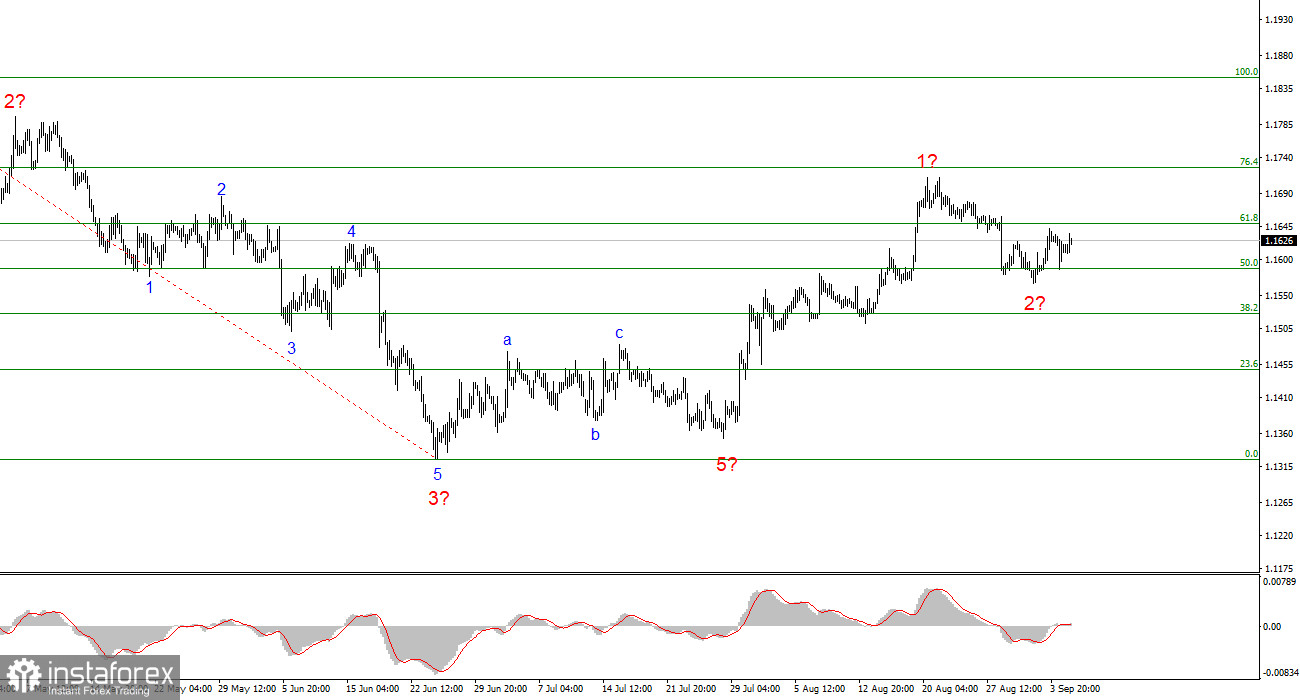
The wave structure on the 4-hour EUR/USD chart is becoming more complex. There is still no question of canceling the upward trend segment (lower chart), which began in January last year. On the contrary, we saw a complete A-B-C corrective structure, which is most likely complete. We never saw a convincing wave 5 of C. This wave took a truncated form, which also occurs from time to time. Let me remind you that classical wave structures are generally found only in textbooks. In real-life market conditions, traders and analysts should be more flexible in their analysis.
Unfortunately, the wave structure may become more complex again at present. Wave C may take a three-wave form, the wave following it will be identified as wave D, and the entire trend segment beginning on January 27 will take a five-wave corrective A-B-C-D-E form. If this assumption is correct, wave D will take a three-wave form, and on August 21, EUR/USD entered the phase of forming wave E, whose low should be below the low of wave C at 1.1325. At the same time, however, this scenario is an alternative one. Based on the news background, I am more inclined to expect the formation of a global upward wave.
The European currency is ready for a new upward wave.
The EUR/USD pair rose by 10 basis points on Monday, while the trading range was, as usual, narrow—no more than 10 points. As I always say, the situation may still change by the end of the day, but most likely we will not see any significant movement today. This is noteworthy because two interesting reports were released in the European Union in the morning: the Q2 GDP report and the German industrial production report. In the final estimate, GDP came in at 1.2% year-on-year and 0.6% quarter-on-quarter, above both previous estimates and market expectations. Therefore, this report could have triggered demand for the European currency, and it appears that it did. However, the European currency managed to gain only about 15 points on the report. The industrial production report in the European Union, meanwhile, attracted no interest from market participants at all.
The market is once again showing that it is not interested in secondary data and is prepared to react only to genuinely important information. Since there was no such information today, there was little for the market to react to. It appears that we will once again have to wait until the second half of the week, when the U.S. inflation report is released and the central bank meeting takes place in the European Union. Even if the inflation report does not determine the outcome of the September Fed meeting, it will affect it. Consequently, the market reaction to any figure in this report could be strong. Market participants currently expect inflation to remain unchanged in August. If they are correct, there will be no market reaction. If the report shows a higher figure, demand for the U.S. currency will increase. If it shows a lower figure, demand will decline.
Based on the EUR/USD analysis, I conclude that the pair remains within a local upward trend segment as part of the first wave of a new global upward trend segment. It should be acknowledged that the trend segment beginning in January of this year may take an A-B-C-D-E form. If this assumption is correct, the decline in quotes will resume, with targets below the low of wave C at 1.1325. However, I consider this scenario to be an alternative one. I believe that the formation of a new upward trend segment began in June, which will bring the European currency back to the 20th figure and take it significantly above this level.
On the higher timeframe, an upward trend segment can be seen, followed by the formation of an A-B-C corrective structure. This structure may take a five-wave form, but at present I consider it complete. If so, the formation of a new impulsive upward trend segment has begun.
The Main Principles of My Analysis:
*تعینات کیا مراد ہے مارکیٹ کے تجزیات یہاں ارسال کیے جاتے ہیں جس کا مقصد آپ کی بیداری بڑھانا ہے، لیکن تجارت کرنے کے لئے ہدایات دینا نہیں.
InstaSpot analytical reviews will make you fully aware of market trends! Being an InstaSpot client, you are provided with a large number of free services for efficient trading.


