




ہمارے ٹیم میں 7000000 سے ذائد تاجران شامل ہیں
ہم تجارت کی بہتری کے لئے ہر روز اکھٹے کام کرتے ہیں اور بہترین نتائج حاصل کرتے ہوئے آگے کی جانب بڑھتے ہیں
دُنیا بھر سے سے لاکھوں ہمارے بہترین کام کو سند عطاء کرتے ہیں آپ اپنا انتحاب کریں باقی ہم آپ کی توقعات پر پورا اترنے کے لئے اپنی بہترین کوشش کریں گے
ہم مل کر ایک بہترین ٹیم بناتے ہیں
انسٹا فاریکس آپ سے کام کرتے ہوئے فخر محسوس کرتا ہے





ایکٹر - یو سی ایف 6 ٹورنامنٹ چیمپین اور واقعی ہیرو
ایک فرد کے جس نے اپنا آپ منوایا ہے وہ فرد کہ جو ہماری راہ پر چلا ہے.
ٹکٹا روو کی کامیابی کا راز یہ ہے کہ وہ اپنے اہداف کی جانب مسلسل بڑھتا رہتا ہے
اپنے ہنر یا ٹیلنٹ کے تمام پہلو آشکار کررہے ہیں
پہچانیں ، کوشش کریں ، ناکام ہوں لیکن کبھی نہ رُکیں
انسٹا فاریکس آپ کی کامیابی کی کہاں یہاں سے شروع ہوتی ہے

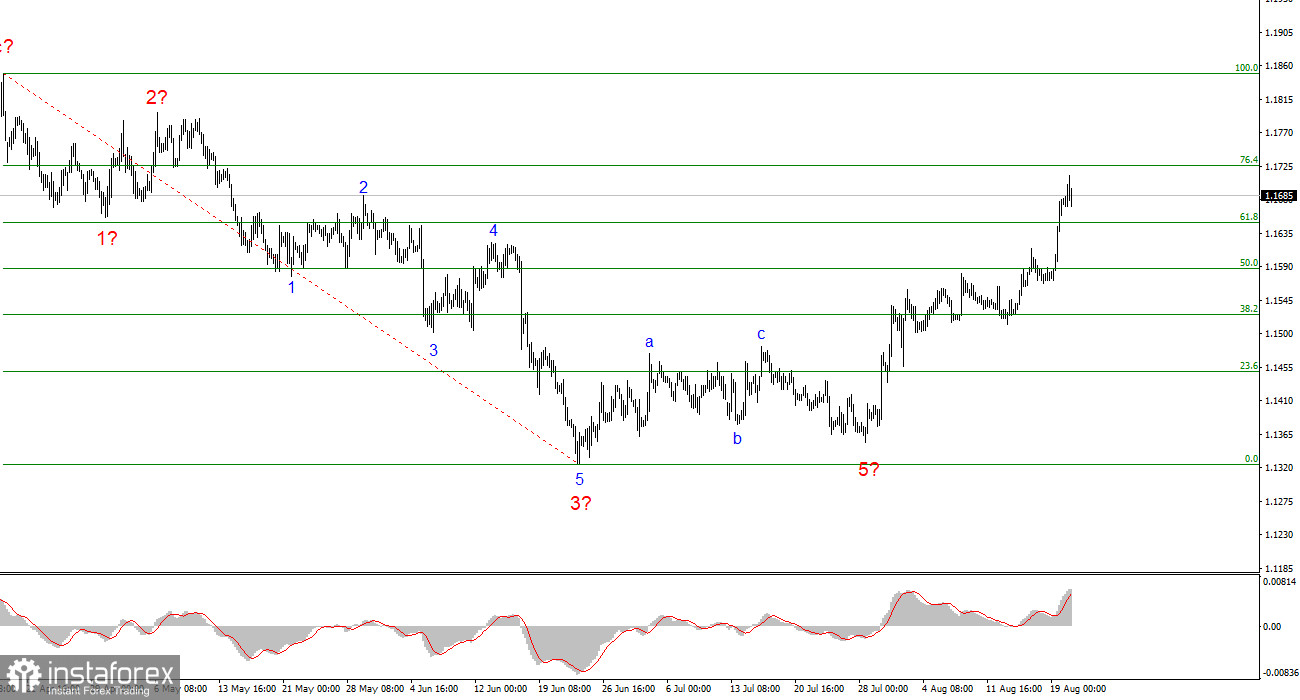
The wave count on the 4-hour chart for EUR/USD is becoming more complex. There is still no question of invalidating the bullish trend segment (lower chart), which began in January last year. On the contrary, we have seen a complete A-B-C corrective structure, which has most likely been completed. We never saw a convincing wave 5 within wave C. This wave took a truncated form, which also occurs from time to time. Let me remind you that classic wave structures are generally found only in textbooks. In real-world markets, traders and analysts need to be more flexible in their analysis. Therefore, I have been saying in my reviews for a month now that traders should prepare for a rise in the European currency. If the current wave count is correct, the instrument is at the very beginning of a new bullish trend segment.
On the lower time frame, I can identify a classic five-wave bearish structure with a truncated wave 5. I had considered the possibility that the European currency would decline to the 1.13 level, but the fundamental backdrop turned against the dollar, and the sellers simply lacked the strength to form a convincing wave 5. Therefore, we can consider July 28 to be the starting point of a new bullish wave sequence.
The EUR/USD pair changed very little on Thursday, although buyers showed interest in pushing the European currency further higher during the day. Nevertheless, a pullback began in the second half of the day. It is difficult to say how long it will last. Personally, I would not be surprised if large-scale dollar selling resumes tomorrow. Previously, market participants could have different views on the outlook for Fed monetary policy, the prospects for the conflict in the Middle East, the state of the U.S. economy, and even the latest labor-market reports. However, there is now less disagreement in these assessments and fewer differences of opinion. The more time passes, the more the market realizes that even if the Fed raises interest rates, the increase will likely be limited and temporary. The labor market has not simply "cooled" in a single month; it is declining, as it did last year. The U.S. economy may not yet be causing serious concern, but Trump's promised "Era of Greatness" is still nowhere to be seen. And the geopolitical conflict in the Middle East could turn into America's largest defeat in decades. That is why I warned both a month ago and two months ago: do not rush to buy the U.S. currency.
Yesterday, the U.S. Treasury dealt another blow to the dollar by increasing its purchases of bonds. At first glance, this may not seem particularly significant, but this simple event reflects a much larger problem. The U.S. budget, which Donald Trump sought to bring into surplus, is under severe strain. Government debt is growing at an increasingly rapid pace. With each passing month, the U.S. government is forced to spend more and more money to service its debt. What is this, if not a sign of a potential economic crisis, which Trump had warned Iran about? In my view, the United States is much closer to such a crisis itself than Iran, which has been accustomed to surviving under extremely difficult financial conditions for decades.
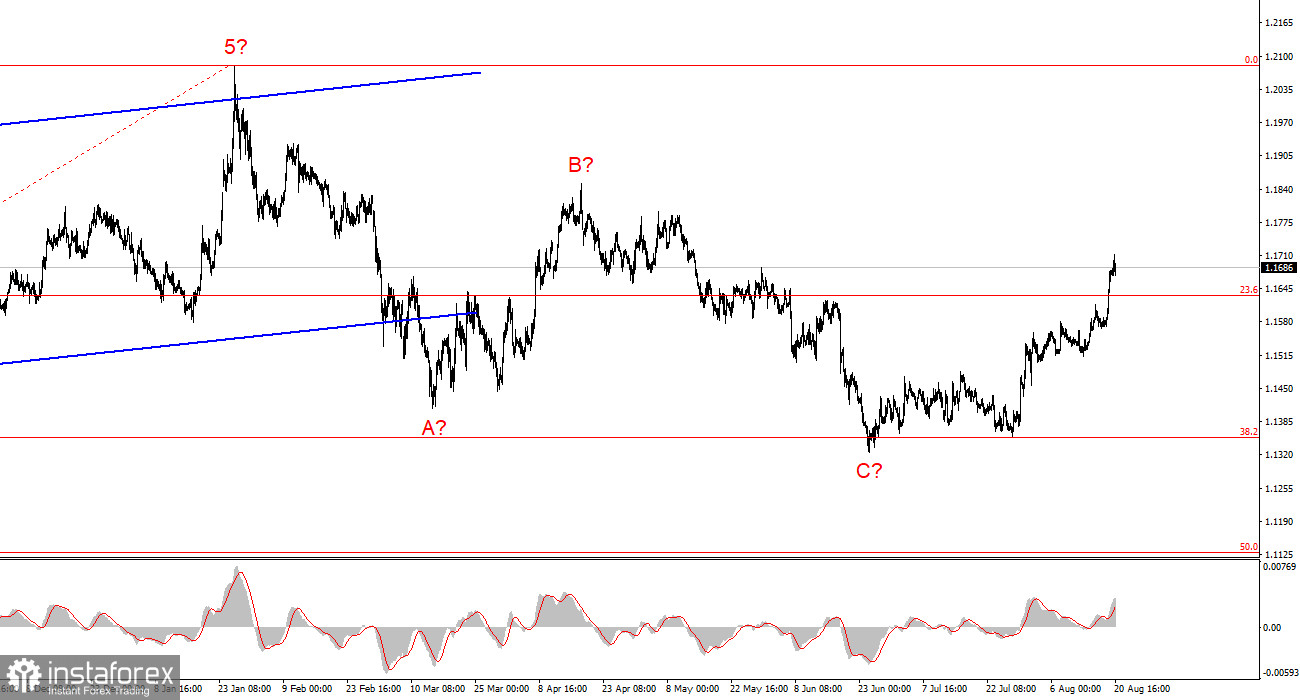
Based on my EUR/USD analysis, I conclude that the instrument remains within a bullish trend segment (lower chart) and, in the shorter term, has presumably transitioned to a new bullish wave sequence. In my view, this is an excellent time to build long positions. Unless the bearish trend segment that began on January 28 develops into a more extended five-wave structure—which would require a strong fundamental backdrop in favor of the dollar—EUR/USD is at the very beginning of a new, prolonged bullish trend segment, with targets extending as high as the 1.25 level.
On the higher time frame, a bullish trend segment can be seen, followed by the development of a corrective wave sequence. The A-B-C structure is presumably complete. If so, a new impulsive bullish trend segment has begun to form.
*تعینات کیا مراد ہے مارکیٹ کے تجزیات یہاں ارسال کیے جاتے ہیں جس کا مقصد آپ کی بیداری بڑھانا ہے، لیکن تجارت کرنے کے لئے ہدایات دینا نہیں.
InstaSpot analytical reviews will make you fully aware of market trends! Being an InstaSpot client, you are provided with a large number of free services for efficient trading.


