




ہمارے ٹیم میں 7000000 سے ذائد تاجران شامل ہیں
ہم تجارت کی بہتری کے لئے ہر روز اکھٹے کام کرتے ہیں اور بہترین نتائج حاصل کرتے ہوئے آگے کی جانب بڑھتے ہیں
دُنیا بھر سے سے لاکھوں ہمارے بہترین کام کو سند عطاء کرتے ہیں آپ اپنا انتحاب کریں باقی ہم آپ کی توقعات پر پورا اترنے کے لئے اپنی بہترین کوشش کریں گے
ہم مل کر ایک بہترین ٹیم بناتے ہیں
انسٹا فاریکس آپ سے کام کرتے ہوئے فخر محسوس کرتا ہے





ایکٹر - یو سی ایف 6 ٹورنامنٹ چیمپین اور واقعی ہیرو
ایک فرد کے جس نے اپنا آپ منوایا ہے وہ فرد کہ جو ہماری راہ پر چلا ہے.
ٹکٹا روو کی کامیابی کا راز یہ ہے کہ وہ اپنے اہداف کی جانب مسلسل بڑھتا رہتا ہے
اپنے ہنر یا ٹیلنٹ کے تمام پہلو آشکار کررہے ہیں
پہچانیں ، کوشش کریں ، ناکام ہوں لیکن کبھی نہ رُکیں
انسٹا فاریکس آپ کی کامیابی کی کہاں یہاں سے شروع ہوتی ہے

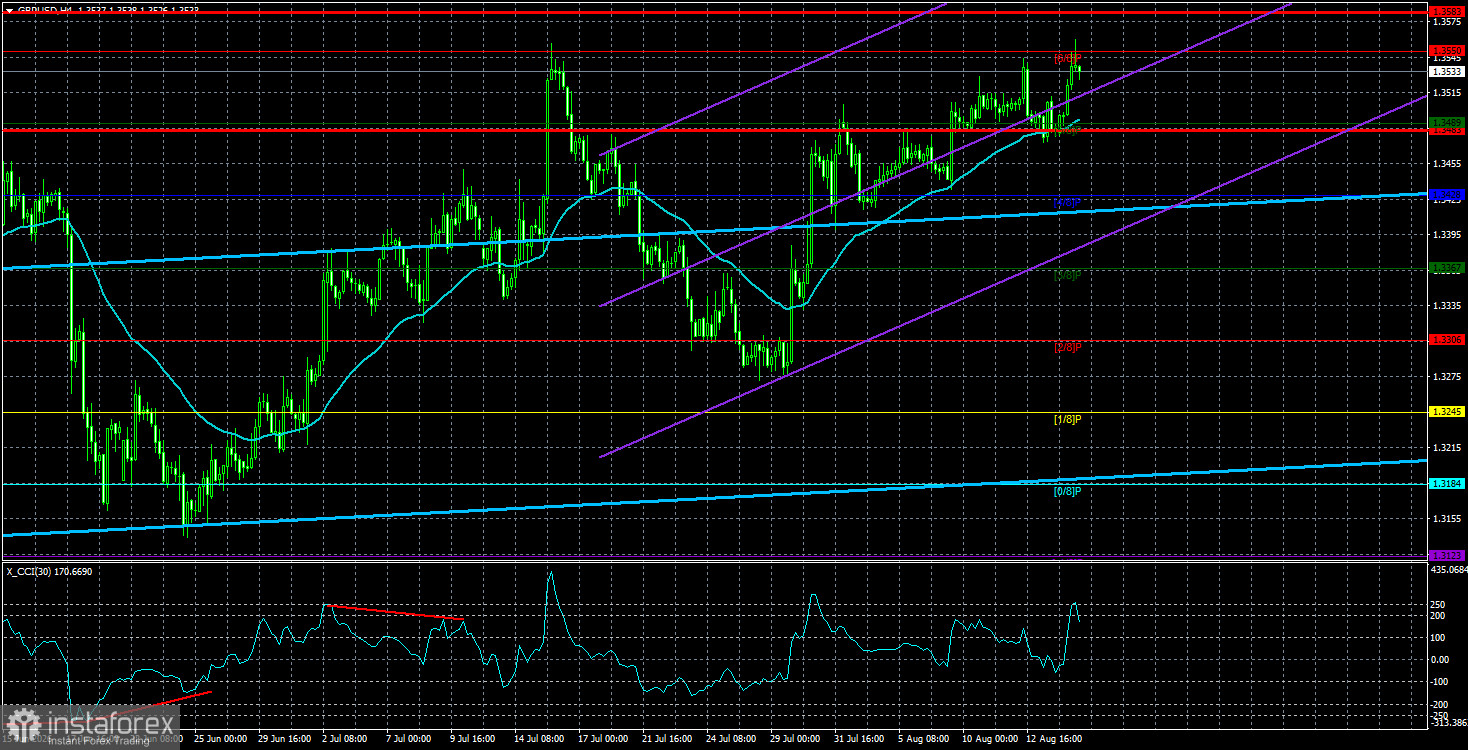
The GBP/USD currency pair also showed an upward movement on Friday, which aligns with the current geopolitical, fundamental, macroeconomic, and technical picture. Simply put, the pound sterling is rising entirely justifiably, even though there are no local reasons for such movement. It is worth mentioning that the geopolitical factor no longer supports the dollar; recent macroeconomic reports from the US have disappointed, market expectations for tightening Federal Reserve monetary policy are slowly fading, and the British pound is within a yearly sideways channel on both the daily and weekly timeframes, continuing its movement from the lower boundary to the upper. Therefore, we believe the British currency should continue to rise.
Next week, the main macroeconomic reports will, in one way or another, be related to the UK. Among them are several reports that are unlikely to interest the market given the current circumstances, but can still be considered important. For example, the unemployment rate and wage levels will be published on Tuesday. Of course, unemployment and wages are critical indicators of an economy, but right now the market is not focused on these data points. However, inflation data for July, to be released on Wednesday morning, can rightfully be considered the most important indicator of the week. It is expected that the consumer price index in July will accelerate to 2.9–3.0%, which could significantly bring the Bank of England closer to tightening monetary policy.
This brings us to the most crucial point — monetary policy. The BoE is generally prepared for tightening monetary policy if necessary. However, in recent months, inflation in the UK has slowed, and discussions of an interest rate hike have subsided. If inflation begins to rise (as Andrew Bailey has warned), the BoE will not hesitate to raise interest rates one or two times. This distinctly sets it apart from the Federal Reserve. Donald Trump influences the Fed, while the BoE is free to make decisions it deems necessary. The Fed, on the other hand, is still dragging its feet. In June and July, the Fed could have tightened policy, as inflation has remained well above target throughout. However, Kevin Warsh expresses only verbal concern about high inflation, which has exceeded the target level for the past 5 years. In practice, we see only three members of the Fed's Monetary Committee willing to vote to tighten policy, and Jerome Powell is not among them.
Therefore, the Fed, in our view, will continue to procrastinate, while the BoE could come close to its first tightening in a long time this week. Meanwhile, the European Central Bank may also implement a second rate hike in the fall, while the Fed seems content to sit back and wait. As a result, both the euro and the pound have every chance of continuing to strengthen against the American currency by the end of summer and the beginning of autumn.
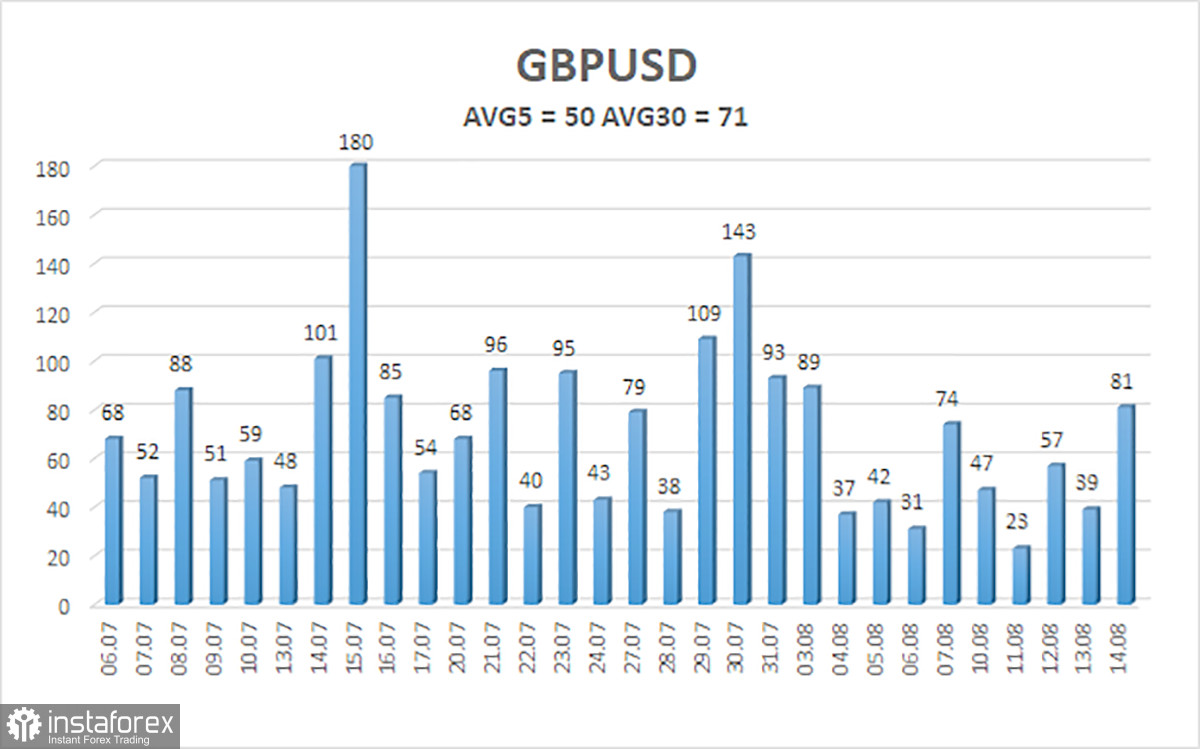
The average volatility of the GBP/USD pair over the last 5 trading days as of August 17 is 50 pips, which is considered "low." On Monday, August 17, we expect the pair to move within the range bounded by 1.3483 and 1.3583. The overall linear regression channel is directed downwards, indicating a continuing downward trend. The CCI indicator has entered the overbought area, prompting several retracements.
S1 – 1.3489
S2 – 1.3428
S3 – 1.3367
R1 – 1.3550
R2 – 1.3611
R3 – 1.3672
The GBP/USD pair continues to show an upward trend. Trump's policies will continue to put pressure on the US economy; therefore, we do not expect long-term strength from the US dollar. The year 2026 so far appears super-positive for the dollar due to geopolitical factors, but every tale has its end. The weekly TF remains flat between 1.3150 and 1.3780 within a four-year upward trend, supporting the expectation of continued growth in the British currency in the medium term. Long positions with targets of 1.3550 and 1.3583 can be considered when the price is above the moving average. When the price is below the moving average line, selling opportunities with targets at 1.3428 and 1.3367 are viable.
Linear regression channels help determine the current trend. If both are directed in one direction, the trend is currently strong;
The moving average line (settings 20,0, smoothed) indicates the short-term trend and the direction in which trading should currently be conducted;
Murray levels are target levels for movements and corrections;
Volatility levels (red lines) represent the likely price channel in which the pair will spend the next day, based on current volatility readings;
The CCI indicator — its entry into the oversold area (below -250) or into the overbought area (above +250) indicates that a trend reversal to the opposite direction is approaching.
*تعینات کیا مراد ہے مارکیٹ کے تجزیات یہاں ارسال کیے جاتے ہیں جس کا مقصد آپ کی بیداری بڑھانا ہے، لیکن تجارت کرنے کے لئے ہدایات دینا نہیں.
InstaSpot analytical reviews will make you fully aware of market trends! Being an InstaSpot client, you are provided with a large number of free services for efficient trading.


