




ہمارے ٹیم میں 7000000 سے ذائد تاجران شامل ہیں
ہم تجارت کی بہتری کے لئے ہر روز اکھٹے کام کرتے ہیں اور بہترین نتائج حاصل کرتے ہوئے آگے کی جانب بڑھتے ہیں
دُنیا بھر سے سے لاکھوں ہمارے بہترین کام کو سند عطاء کرتے ہیں آپ اپنا انتحاب کریں باقی ہم آپ کی توقعات پر پورا اترنے کے لئے اپنی بہترین کوشش کریں گے
ہم مل کر ایک بہترین ٹیم بناتے ہیں
انسٹا فاریکس آپ سے کام کرتے ہوئے فخر محسوس کرتا ہے





ایکٹر - یو سی ایف 6 ٹورنامنٹ چیمپین اور واقعی ہیرو
ایک فرد کے جس نے اپنا آپ منوایا ہے وہ فرد کہ جو ہماری راہ پر چلا ہے.
ٹکٹا روو کی کامیابی کا راز یہ ہے کہ وہ اپنے اہداف کی جانب مسلسل بڑھتا رہتا ہے
اپنے ہنر یا ٹیلنٹ کے تمام پہلو آشکار کررہے ہیں
پہچانیں ، کوشش کریں ، ناکام ہوں لیکن کبھی نہ رُکیں
انسٹا فاریکس آپ کی کامیابی کی کہاں یہاں سے شروع ہوتی ہے

EUR/USD opened the week with a modest advance as the dollar eased slightly. Traders have seen a glimmer of hope that the Middle East conflict may be settled, but skepticism remains high given the uneven history of US-Iran negotiations. The market is tightly wound, signaling it is preparing for a decisive move once concrete details emerge. Which way price will break is uncertain; what is clear is that an outcome is likely in the near term.
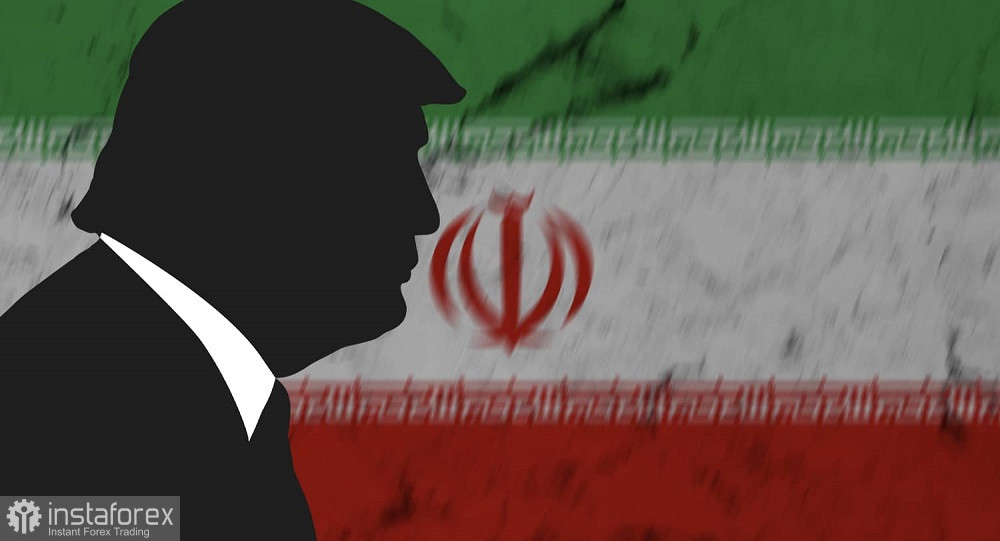
The situation is mixed: optimistic leaks alternate with blunt, categorical statements from politicians. Analysts are likewise divided. Some contend the parties are on the "final mile" toward a framework agreement that could pave the way for a final deal. Others argue that the risk of renewed military action has risen, since core strategic disputes — notably over Iran's nuclear program — remain unresolved and diplomatic levers are largely exhausted.
President Donald Trump described the chances of a deal or renewed strikes as "50-50", saying that core accords with Tehran remain unresolved and that he has instructed his representatives not to rush a settlement.
Against that backdrop of optimistic uncertainty, EUR/USD briefly made a weekly high at 1.1649 but then drifted in a narrow range between 1.1610 and 1.1650. Traders are reluctant to build large positions on either side; market participants remain frozen awaiting clarity on the Middle East. All other fundamentals have receded in importance: geopolitics is the dominant theme.
If one aggregates media leaks, the picture is cautiously encouraging. Fox News reported that the United States and Iran have agreed roughly 95 percent of a framework deal and are discussing only residual wording, with finalizing the memorandum expected to take five to seven days. Other US outlets, however, report no progress on the crucial nuclear question and suggest that any agreement will likely be limited and comprise mutual concessions. The Washington Post said Iran might open the Strait of Hormuz only if $12 billion in frozen assets are released and US restrictions on Iranian ports are lifted; it also reported that the draft memorandum does not include a finished nuclear accord but rather a commitment to negotiate that issue later.
Bloomberg sources likewise say the two sides are edging closer to an agreement despite disagreements over uranium and sanctions. That draft envisages a 60-day extension of the truce, reopening of the Strait of Hormuz and permission for Iran to sell oil.
Negotiations are slowed, however, by the internal dynamics in Tehran. US intelligence reporting indicates that communications with Iran's senior leadership are hampered after April's large-scale air strikes and now proceed via couriers and intermediaries. That complicates intra-Iranian approval and can add days or weeks to any internal ratification process.
On balance, and based on published leaks, the scale tips gradually toward a limited but durable ceasefire. Describing the process as the "final mile" is appropriate only for the first tactical stage — the cessation of the hot phase of the conflict and reopening of the Strait of Hormuz. Even this limited de-escalation would provide substantial support to EUR/USD as risk appetite improves.
The process remains fragile and could collapse if strategic disputes on Iran's nuclear status flare. In that case EUR/USD would likely drop sharply, probably toward the 1.1500 area. The baseline scenario, however, remains a preliminary agreement leading to restored navigation through Hormuz. That outcome would help euro buyers to overcome the 1.1700 resistance zone (the upper edge of the Ichimoku Kumo cloud, aligned with the upper Bollinger band and the D1 Kijun-sen) and to push the pair into the 1.17 area.
*تعینات کیا مراد ہے مارکیٹ کے تجزیات یہاں ارسال کیے جاتے ہیں جس کا مقصد آپ کی بیداری بڑھانا ہے، لیکن تجارت کرنے کے لئے ہدایات دینا نہیں.
InstaSpot analytical reviews will make you fully aware of market trends! Being an InstaSpot client, you are provided with a large number of free services for efficient trading.


