




ہمارے ٹیم میں 7000000 سے ذائد تاجران شامل ہیں
ہم تجارت کی بہتری کے لئے ہر روز اکھٹے کام کرتے ہیں اور بہترین نتائج حاصل کرتے ہوئے آگے کی جانب بڑھتے ہیں
دُنیا بھر سے سے لاکھوں ہمارے بہترین کام کو سند عطاء کرتے ہیں آپ اپنا انتحاب کریں باقی ہم آپ کی توقعات پر پورا اترنے کے لئے اپنی بہترین کوشش کریں گے
ہم مل کر ایک بہترین ٹیم بناتے ہیں
انسٹا فاریکس آپ سے کام کرتے ہوئے فخر محسوس کرتا ہے





ایکٹر - یو سی ایف 6 ٹورنامنٹ چیمپین اور واقعی ہیرو
ایک فرد کے جس نے اپنا آپ منوایا ہے وہ فرد کہ جو ہماری راہ پر چلا ہے.
ٹکٹا روو کی کامیابی کا راز یہ ہے کہ وہ اپنے اہداف کی جانب مسلسل بڑھتا رہتا ہے
اپنے ہنر یا ٹیلنٹ کے تمام پہلو آشکار کررہے ہیں
پہچانیں ، کوشش کریں ، ناکام ہوں لیکن کبھی نہ رُکیں
انسٹا فاریکس آپ کی کامیابی کی کہاں یہاں سے شروع ہوتی ہے


At the time of writing, the NZD/USD pair was trading around 0.5835, down 0.65% on Tuesday. The New Zealand dollar is once again under pressure from sellers against the U.S. dollar. Despite encouraging signals from negotiations between Washington and Tehran, the New Zealand currency fails to capitalize on improved market sentiment.
Markets are closely monitoring the latest statements from U.S. President Donald Trump, who said there is a "very good chance" of reaching an agreement with Iran and described recent progress in negotiations as positive. Trump also announced a suspension of immediate military actions, providing more space for diplomatic efforts while leaving the door open for large-scale intervention if an acceptable agreement is not reached.
Nevertheless, investors remain cautious about the long-term prospects for resolving tensions. Ongoing disagreements regarding Iran's nuclear program, as well as reports of explosions on the Iranian island of Kish, contribute to geopolitical uncertainty, which supports demand for the U.S. dollar.
At the same time, rising oil prices continue to stoke global inflation expectations and bolster assumptions regarding the Federal Reserve's shift to a more restrictive monetary policy. Markets are gradually reassessing their expectations regarding monetary easing this year, providing additional support to the U.S. dollar.
In New Zealand, producer-level inflation data may potentially support the New Zealand dollar. The Producer Price Index (PPI) for raw materials and inputs increased by 1.4% quarter-on-quarter in the first quarter, exceeding expectations of 0.8% after a drop of 0.5% in the previous quarter. The increase in inflationary pressure at the producer level may fuel speculation that the Reserve Bank of New Zealand (RBNZ) may shift to a more restrictive monetary policy. Investors are awaiting the release of the minutes from the Federal Open Market Committee (FOMC) meeting on Wednesday, which may provide insights into the future direction of U.S. interest rates.
From a technical standpoint, prices have fallen below the 200-day SMA, indicating weakness among bulls. The Relative Strength Index (RSI) is also negative, showing an increase in bearish sentiment in the market. Support is at 0.5815. If prices fail to hold this level, they may accelerate the decline towards April 13. If the 200-day SMA is overcome, the next obstacle will be the 100-day SMA.
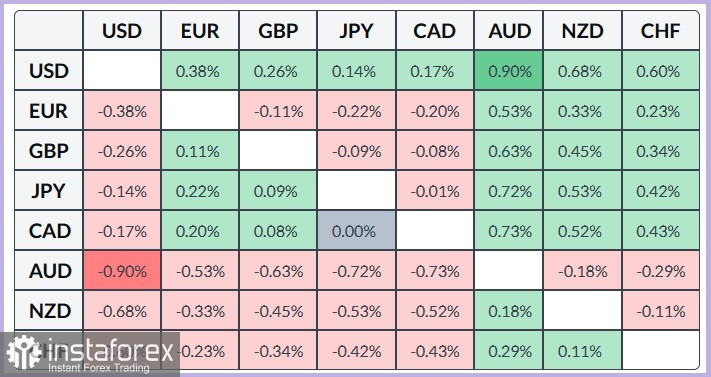
The table below shows the percentage change in the New Zealand dollar against major currencies for Tuesday. The New Zealand dollar showed the greatest increase compared to the Australian dollar.
*تعینات کیا مراد ہے مارکیٹ کے تجزیات یہاں ارسال کیے جاتے ہیں جس کا مقصد آپ کی بیداری بڑھانا ہے، لیکن تجارت کرنے کے لئے ہدایات دینا نہیں.
InstaSpot analytical reviews will make you fully aware of market trends! Being an InstaSpot client, you are provided with a large number of free services for efficient trading.


