




انسٹا فاریکس ٹیم میں لیجنڈ!
لیجنڈ!آپ کو لگتا ہے کہ یہ حیرت انگیز بیانات ہے؟ لیکن ہمیں ایسے شخص کو کیا کہنا چاہئے ، جو 18 سال میں جونیئر ورلڈ شطرنج چیمپئن شپ جیتنے والا پہلا ایشین بن گیا تھا اور 19 میں پہلا ہندوستانی گرینڈ ماسٹر بنا؟ ورلڈ چیمپیئن ٹائٹل کے لئے یہ مشکل آغاز تھا جو وشونااتھ آنند کے لئے تھا ، وہ شخص جو ہمیشہ کے لئے شطرنج کی تاریخ کا حصہ بن گیا تھا۔ انسٹا فاریکس ٹیم میں اب ایک اور لیجنڈ!





Borussia is one of the most titled football clubs in Germany, which has repeatedly proved to fans: the spirit of competition and leadership will certainly lead to success. Trade in the same way that sports professionals play the game: confidently and actively. Keep a "pass" from Borussia FC and be in the lead with InstaSpot!

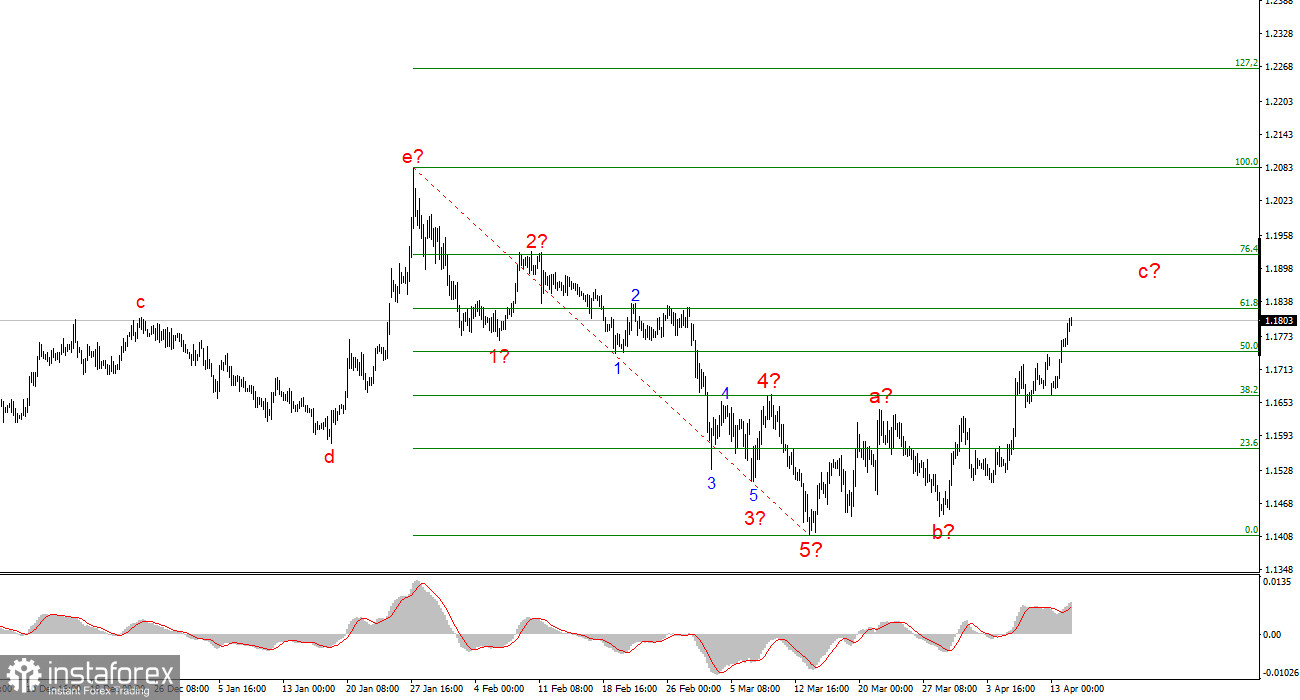
The wave pattern on the 4-hour chart for EUR/USD has changed. There is still no talk of canceling the upward trend segment (lower chart), which has been developing since January of last year, but the wave structure itself now looks highly ambiguous. In such situations, I always recommend switching to a lower timeframe (upper chart) and focusing on simpler, smaller wave structures to make a short-term forecast, which is sufficient for opening trades. Wave structures can be very complex and allow for multiple scenarios. The easiest approach is to trade standard "five-three" patterns.
On the chart above, a classic five-wave impulse structure with an extended third wave can be identified. If this interpretation is correct, then this structure has already been completed, and the market is currently forming a corrective sequence of at least three waves. Therefore, in the near term, further upward movement in the instrument can be expected, but within a corrective phase relative to the previous trend segment. So far, recent wave formations do not fit well into the higher-level structure, but the situation should become clearer over time. The euro may continue recovering toward the 1.1824 level.
The EUR/USD pair rose by 30 basis points on Monday (from Friday's close) and gained another 50 on Tuesday. While the increase may seem modest, it has been ongoing for more than a week. It is worth noting that the current news background can hardly be described as positive for risk-sensitive assets and currencies.
This week, Donald Trump announced a unilateral blockade of the Strait of Hormuz, which raises the question: who else might join the blockade of this already strained waterway? Other countries could potentially block the Bab el-Mandeb Strait—or even the Suez Canal. The idea would be to restrict oil supply altogether.
Negotiations between Iran and the United States are currently on hold, but both sides suggest they may resume soon, with some chance of reaching a comprehensive agreement in the future. Frankly, I am skeptical of such optimism. The key issue remains Iran's nuclear program, which the country has not abandoned over the past 50 years despite sanctions from much of the world. Iran appears willing to endure economic hardship rather than give up its nuclear ambitions. It is prepared to defend its sovereignty and political course for as long as necessary. Therefore, in my view, a deal is unlikely.
However, demand for the dollar is now declining simply because the market is growing tired of it. During the first month of the conflict, investors sought safe-haven assets to quickly move capital out of the Middle East. But the war has now lasted more than a month, and those who wanted to exit have already done so.
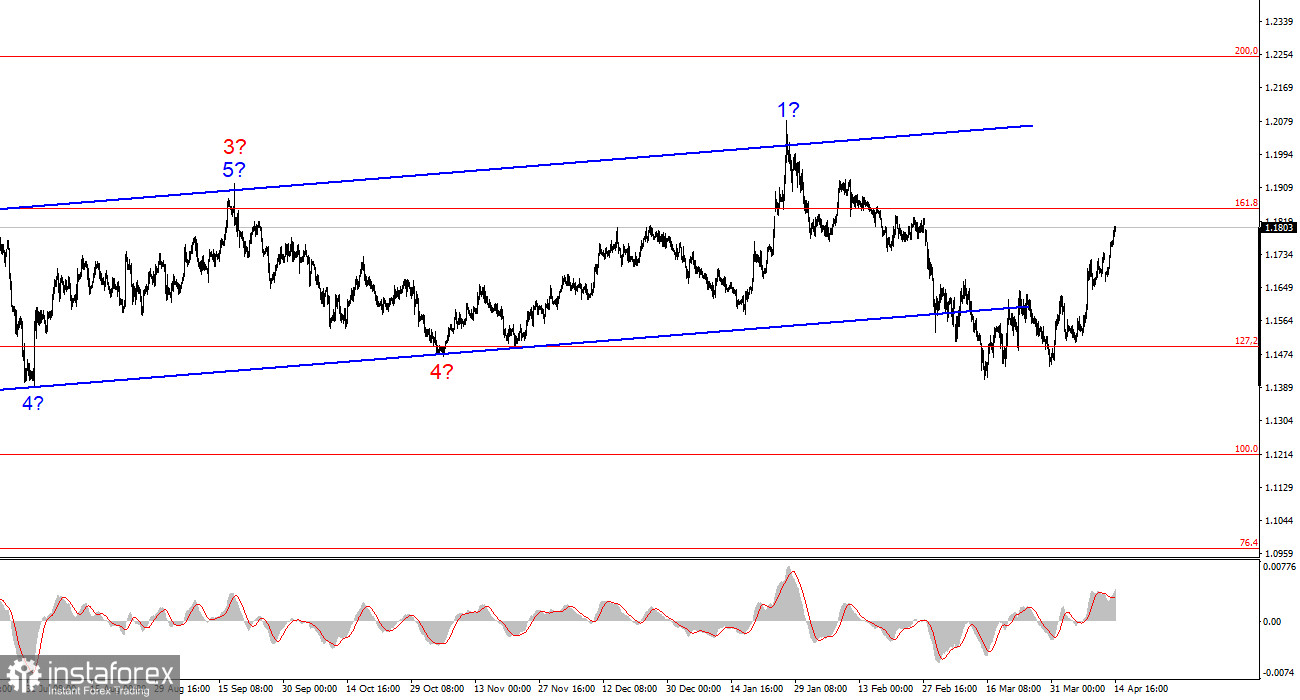
Based on this EUR/USD analysis, I conclude that the instrument remains within an upward trend segment (lower chart) while also being in a short-term corrective structure. The corrective wave sequence appears largely complete and could only extend further if a lasting ceasefire is established among Iran, the United States, Israel, and all other countries in the Middle East. Otherwise, a new downward wave sequence may begin from current levels. A failed attempt to break above 1.1824 could lead to a pullback from recent highs.
On lower timeframes, the entire upward trend segment is visible. The wave structure is not entirely standard, as corrective waves vary in size—for example, the higher-level wave 2 is smaller than the internal wave 2 within wave 3. However, such formations do occur. It is important to focus on clear and understandable structures rather than rigidly adhering to every wave. The trend may reverse in the near future.
Key Principles of My Analysis:
*تعینات کیا مراد ہے مارکیٹ کے تجزیات یہاں ارسال کیے جاتے ہیں جس کا مقصد آپ کی بیداری بڑھانا ہے، لیکن تجارت کرنے کے لئے ہدایات دینا نہیں.
InstaSpot analytical reviews will make you fully aware of market trends! Being an InstaSpot client, you are provided with a large number of free services for efficient trading.


