




ہمارے ٹیم میں 7000000 سے ذائد تاجران شامل ہیں
ہم تجارت کی بہتری کے لئے ہر روز اکھٹے کام کرتے ہیں اور بہترین نتائج حاصل کرتے ہوئے آگے کی جانب بڑھتے ہیں
دُنیا بھر سے سے لاکھوں ہمارے بہترین کام کو سند عطاء کرتے ہیں آپ اپنا انتحاب کریں باقی ہم آپ کی توقعات پر پورا اترنے کے لئے اپنی بہترین کوشش کریں گے
ہم مل کر ایک بہترین ٹیم بناتے ہیں
انسٹا فاریکس آپ سے کام کرتے ہوئے فخر محسوس کرتا ہے





ایکٹر - یو سی ایف 6 ٹورنامنٹ چیمپین اور واقعی ہیرو
ایک فرد کے جس نے اپنا آپ منوایا ہے وہ فرد کہ جو ہماری راہ پر چلا ہے.
ٹکٹا روو کی کامیابی کا راز یہ ہے کہ وہ اپنے اہداف کی جانب مسلسل بڑھتا رہتا ہے
اپنے ہنر یا ٹیلنٹ کے تمام پہلو آشکار کررہے ہیں
پہچانیں ، کوشش کریں ، ناکام ہوں لیکن کبھی نہ رُکیں
انسٹا فاریکس آپ کی کامیابی کی کہاں یہاں سے شروع ہوتی ہے

The current trading week began with a general strengthening of the US dollar amid a surge in anti-risk sentiment. Traders reacted to the failed negotiations between the US and Iran, which yielded no results.
Despite mutual accusations and Trump's threats to block the Strait of Hormuz, almost all major currency pairs managed to negate the dollar's sharp appreciation throughout the day. Perhaps the only exception was the USD/JPY pair, which not only maintained its gap but also set a new local high at 159.87.
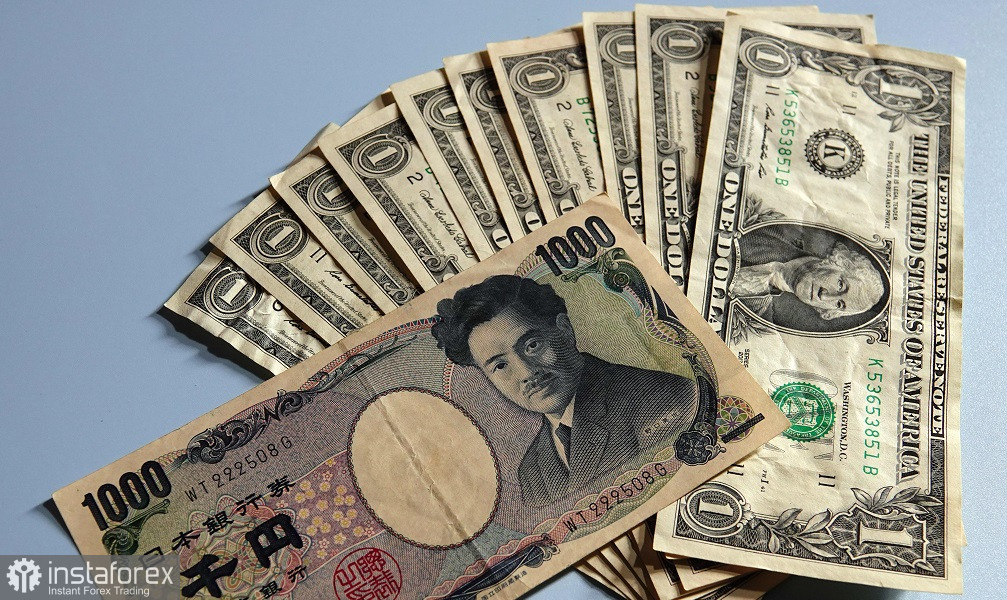
The yen reacted sharply to the rise in oil prices. Trump's statements about a possible blockade of the Strait of Hormuz caused a significant spike in crude oil prices—Brent is currently trading around $102 per barrel. As Japan's largest importer of energy resources, it is highly sensitive to oil prices, making it difficult for USD/JPY sellers to find a foothold. Additionally, the persisting yield differential is putting additional pressure on the Japanese yen against the greenback.
However, despite the current "dominance" of USD/JPY buyers, it is reasonable to consider short positions for two main reasons: first, there is the "risk" of renewed negotiations between the US and Iran, and second, the risk of currency intervention (or corresponding verbal signals from Japanese authorities).
Let's start with geopolitics. According to high-ranking sources at the American publication Axios, Trump's belligerent statements about the Strait of Hormuz blockade and the failed negotiations in Islamabad are part of the current negotiation process. Insiders claim that "all parties still believe that an agreement is possible." Therefore, regional mediators (Pakistan, Egypt, Turkey) and representatives from several Middle Eastern countries (Oman, Qatar, Saudi Arabia, and the UAE) are currently making active efforts to bring the US and Iran back to the negotiating table to overcome remaining disagreements and achieve a ceasefire agreement. According to Axios sources, a possible reduction of disagreements could allow for another round of negotiations before the end of the two-week ceasefire, that is, by April 21. If Trump, after his threats of a "complete and absolute blockade," talks about negotiations again, the safe dollar will face additional pressure—this time against the yen.
All this indicates that the USD/JPY pair is growing on rather shaky grounds. Moreover, the closer the pair approaches the target of 160.00, the greater the risks of intervention by Japanese authorities—a potential currency intervention. This price level is known to be a powerful psychological resistance, a sort of "red line" for the Ministry of Finance of Japan.
I would like to remind you that a similar situation occurred in late March when the USD/JPY pair settled above the 160.00 level. Literally the next day, Deputy Finance Minister Mimura expressed concern about the rise in speculative activity, stating that if such trends continued (meaning if the yen continued to weaken), there would be an "objective need for decisive measures." The market interpreted these words quite clearly—as a warning of a forthcoming currency intervention. In just three days, the pair plummeted more than 200 points—from 160.47 to 158.29.
This is not the only example; in 2024, the 160.00 target triggered government intervention. Since then, any approach to this level has been associated with risks. If the pair breaks above the 160.00 level and settles there, the likelihood that the Bank of Japan, following the Ministry of Finance's directives, will begin selling dollars from reserves is around 70-80%. For this reason, buyers of USD/JPY are hesitant to approach the 160 level.
Thus, the situation for the pair is quite contradictory. Geopolitical factors are "pressing from below," while intervention risks "press from above." As a result, traders have neither closed the upward gap nor developed an upward movement. Traders find themselves in a stalemate, effectively stuck within a 40-point price range of 159.50 to 159.90.
The direction of movement will depend on the United States' actions regarding Iran. If, contrary to stated threats, Trump "turns wrath into mercy" and resumes negotiations with Tehran, the USD/JPY pair will likely close the northern gap and return to the 158 range. However, if the US president decides to implement his threats (particularly regarding the maritime blockade of the Strait of Hormuz), the pair will likely cross the "dangerous line" and enter the 160 range. In such a case, the market will again face the threat of a reaction from Japanese regulators.
Thus, long positions in the pair are risky in any scenario—whether in an escalation or de-escalation scenario. The question is only when to enter short positions: either from current levels or around the 160 figure. In my opinion, the latter option seems more reliable, as this level has traditionally triggered a response from Japanese authorities. The nearest target for a decline in USD/JPY is at 159.20 (the middle Bollinger Bands line on the D1 timeframe).
*تعینات کیا مراد ہے مارکیٹ کے تجزیات یہاں ارسال کیے جاتے ہیں جس کا مقصد آپ کی بیداری بڑھانا ہے، لیکن تجارت کرنے کے لئے ہدایات دینا نہیں.
InstaSpot analytical reviews will make you fully aware of market trends! Being an InstaSpot client, you are provided with a large number of free services for efficient trading.


