




ہمارے ٹیم میں 7000000 سے ذائد تاجران شامل ہیں
ہم تجارت کی بہتری کے لئے ہر روز اکھٹے کام کرتے ہیں اور بہترین نتائج حاصل کرتے ہوئے آگے کی جانب بڑھتے ہیں
دُنیا بھر سے سے لاکھوں ہمارے بہترین کام کو سند عطاء کرتے ہیں آپ اپنا انتحاب کریں باقی ہم آپ کی توقعات پر پورا اترنے کے لئے اپنی بہترین کوشش کریں گے
ہم مل کر ایک بہترین ٹیم بناتے ہیں
انسٹا فاریکس آپ سے کام کرتے ہوئے فخر محسوس کرتا ہے





ایکٹر - یو سی ایف 6 ٹورنامنٹ چیمپین اور واقعی ہیرو
ایک فرد کے جس نے اپنا آپ منوایا ہے وہ فرد کہ جو ہماری راہ پر چلا ہے.
ٹکٹا روو کی کامیابی کا راز یہ ہے کہ وہ اپنے اہداف کی جانب مسلسل بڑھتا رہتا ہے
اپنے ہنر یا ٹیلنٹ کے تمام پہلو آشکار کررہے ہیں
پہچانیں ، کوشش کریں ، ناکام ہوں لیکن کبھی نہ رُکیں
انسٹا فاریکس آپ کی کامیابی کی کہاں یہاں سے شروع ہوتی ہے

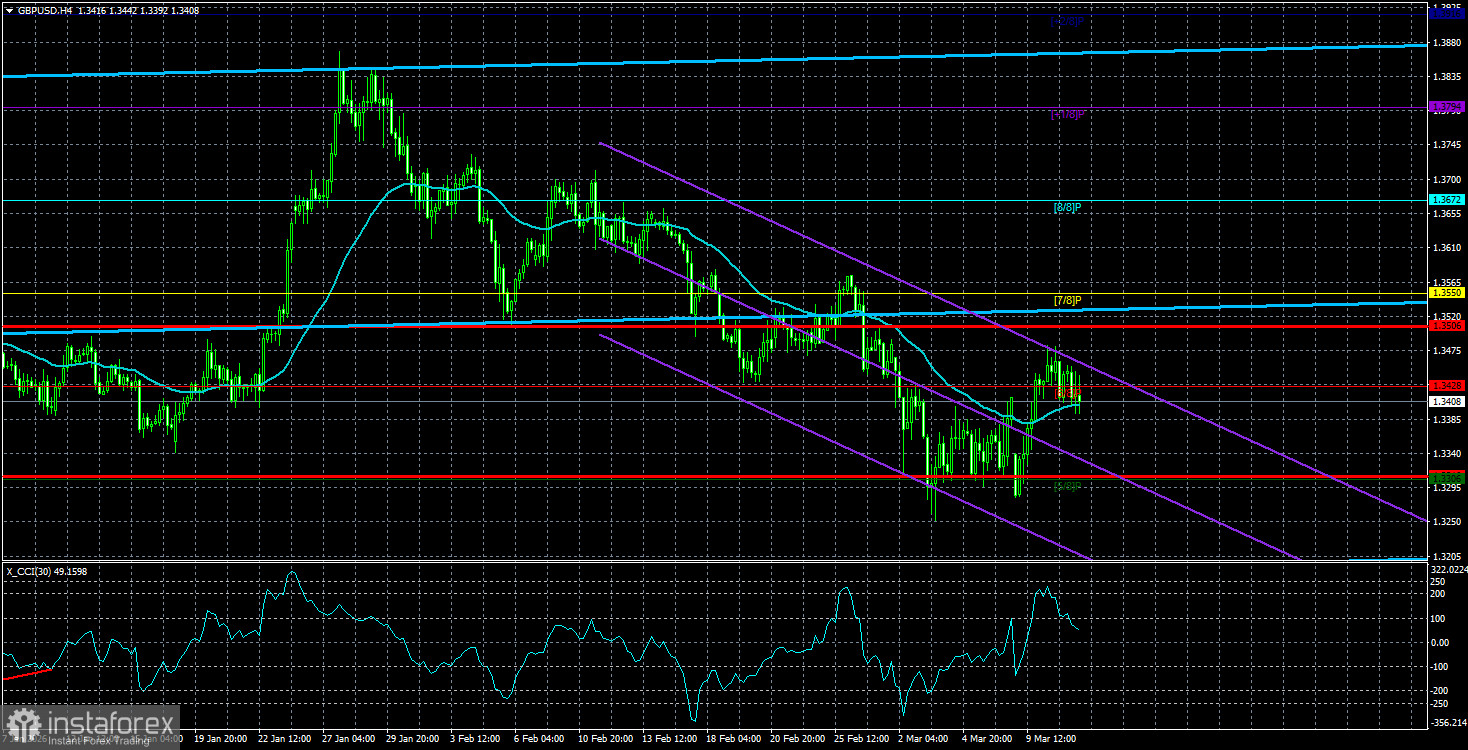
The GBP/USD currency pair leaned towards a decline on Wednesday due to the lack of real de-escalation in the Middle Eastern conflict. Iran is actively mining the Strait of Hormuz, the U.S. is striking destroyers, Tehran threatens to destroy the U.S., and Washington vows to eliminate Iran. Where is the de-escalation here? However, at the beginning of the week, Donald Trump offered markets hope. A hope that is unlikely to come to fruition anytime soon.
However, we should not focus solely on geopolitics. Yesterday, the U.S. inflation report was released, and last week we had data on the labor market and unemployment, while the week before featured the fourth-quarter GDP report. Despite the failure of nearly all key indicators, the dollar continues to rise. This raises the question: do macroeconomic reports affect the dollar?
The answer is complicated. Yes and no. For example, reports that clearly advocate weakening the U.S. currency are simply ignored by the market. Those reports supporting the dollar are being acted on. This pattern has not only been observed in the last 10 days; the market has also reacted to many macroeconomic reports before. This is because geopolitics currently outweighs economics. Investors are fleeing from risks and the Persian Gulf, where billions and trillions of oil dollars are concentrated, so demand for U.S. currency is simply rising, regardless of the fact that the U.S. labor market has again faltered, unemployment has risen, and the American economy shows rather mediocre results during its "golden age." Tariffs imposed by Trump have been overturned and deemed illegal, while overall inflation is decreasing, increasing the likelihood of further Fed easing.
In fact, the Fed may soon resume its rate-cut cycle, not even because of inflation, as we wrote a month ago. If the labor market remains in negative territory, it is evident that it requires stimulus. If the unemployment rate is rising, it is evident that Americans are still losing jobs. If the GDP growth rate is declining, it is clear that the economy needs a stimulus. If the war in Iran continues, it's clear that it will require significant funding. Thus, the Fed may again be faced with the need for forced rate cuts. This is bad news for the dollar, like all the aforementioned factors, but the geopolitical situation may continue to overshadow all this negativity.
From a technical standpoint, the upward trend on the daily timeframe remains stable. The dollar has been rising for a month and a half, and if this continues, eventually even the most resilient "bullish" trend will collapse. The question is: how long will the conflict in Iran last? If it lasts long enough, the dollar may indeed break its downward trend. But only Trump knows how long the war in Iran will continue.
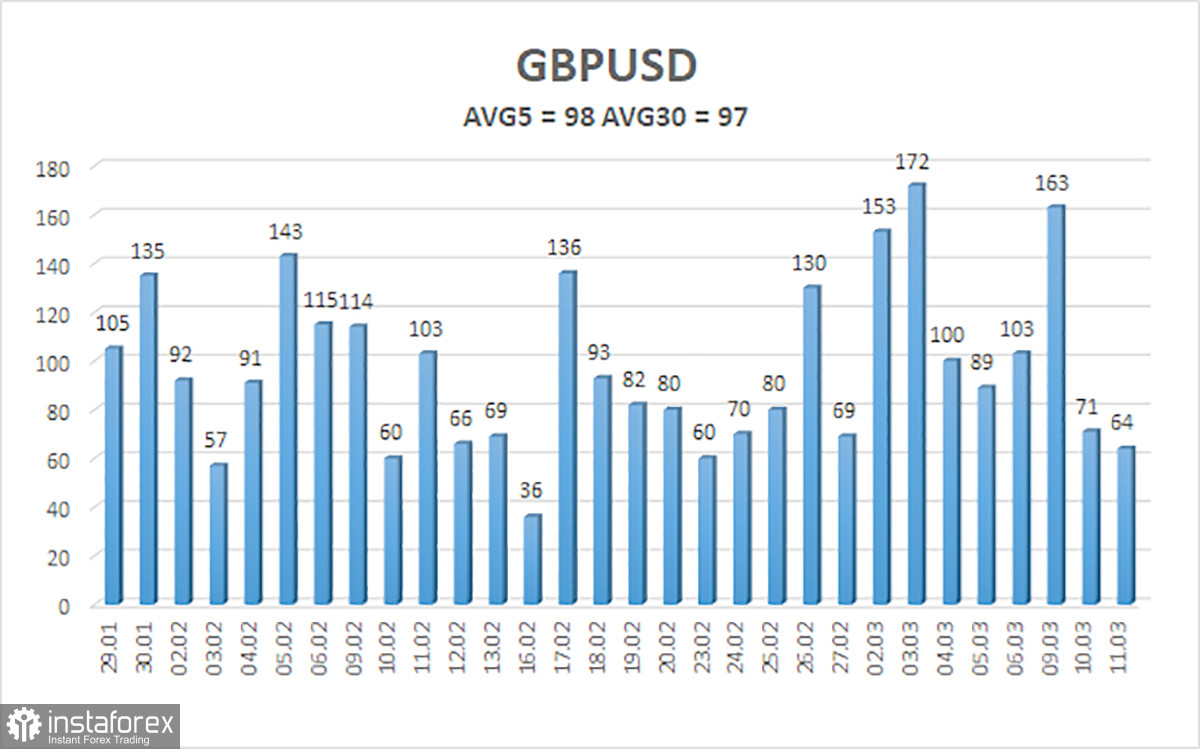
The average volatility of the GBP/USD currency pair over the last 5 trading days, as of March 12, is 98 pips and is characterized as "average." On Thursday, March 12, we expect movement within a range limited by levels 1.3310 and 1.3506. The upper linear regression channel has flattened out, indicating a trend reversal. The CCI indicator has again entered oversold territory, signaling a potential end to the correction.
S1 – 1.3428
S2 – 1.3306
S3 – 1.3184
R1 – 1.3550
R2 – 1.3672
R3 – 1.3794
The GBP/USD pair has been in a correction for a month, but its long-term prospects have not changed. Trump's policies will continue to exert pressure on the U.S. economy, so we do not expect the U.S. currency to grow in 2026. Therefore, long positions targeting 1.3916 and above remain relevant when the price is above the moving average. The position of the price below the moving average allows for considering small shorts targeting 1.3306 based on technical (correctional) grounds. In recent weeks, nearly all news and events have turned against the British pound, leading to an extended correction.
*تعینات کیا مراد ہے مارکیٹ کے تجزیات یہاں ارسال کیے جاتے ہیں جس کا مقصد آپ کی بیداری بڑھانا ہے، لیکن تجارت کرنے کے لئے ہدایات دینا نہیں.
InstaSpot analytical reviews will make you fully aware of market trends! Being an InstaSpot client, you are provided with a large number of free services for efficient trading.


