




Kumpulan kami mempunyai lebih daripada 7,000,000 pedagang!
Setiap hari kami bekerjasama untuk meningkatkan perdagangan. Kami mendapat keputusan yang tinggi dan bergerak ke hadapan.
Pengiktirafan oleh berjuta-juta pedagang di seluruh dunia adalah penghargaan terbaik untuk kerja kami! Anda membuat pilihan anda dan kami akan melakukan segalanya yang diperlukan untuk memenuhi jangkaan anda!
Kami adalah kumpulan yang terbaik bersama!
InstaSpot. Berbangga bekerja untuk anda!





Pelakon, juara kejohanan UFC 6 dan seorang wira sebenar!
Lelaki yang membuat dirinya sendiri. Lelaki yang mengikut cara kami.
Rahsia di sebalik kejayaan Taktarov adalah pergerakan berterusan ke arah matlamat.
Dedahkan semua segi bakat anda!
Cari, cuba, gagal - tetapi tidak pernah berhenti!
InstaSpot. Kisah kejayaan anda bermula di sini!

Ekonomi Jepun kini sekali lagi menghadapi tekanan inflasi. Indeks Harga Pengguna (CPI) Tokyo — penunjuk utama bagi inflasi di seluruh negara — meningkat kepada 1.7% tahun ke tahun pada Jun. Sementara itu, CPI teras (tidak termasuk komponen makanan segar) naik kepada 1.6%, manakala ukuran inflasi asas yang lebih meluas meningkat kepada 1.9% daripada 1.6% pada Mei, melebihi jangkaan pasaran.
Indeks Harga Barangan Korporat (CGPI) melonjak kepada 6.3% tahun ke tahun pada Mei, paras tertinggi dalam tempoh tiga tahun, menunjukkan bahawa kenaikan kos bagi barangan tenaga yang diimport sedang dipindahkan dengan lebih pantas kepada harga domestik.
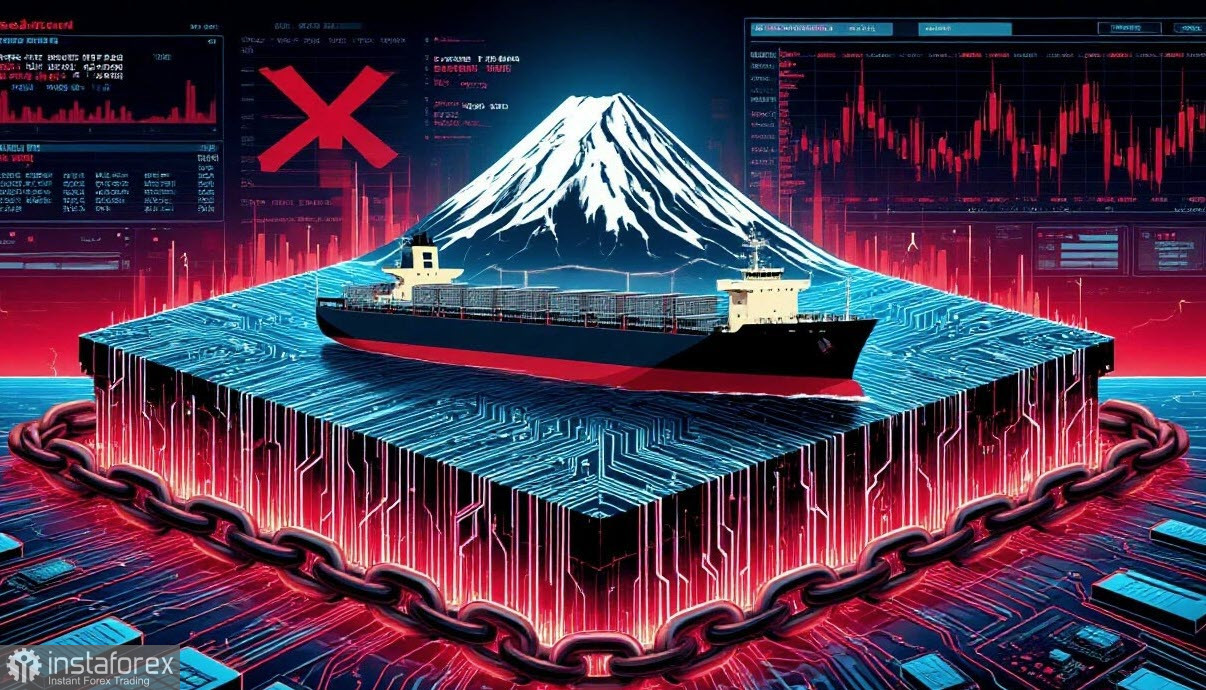
Pertumbuhan ekonomi setakat ini kekal kukuh, dengan Keluaran Dalam Negara Kasar (KDNK) meningkat 2.1% pada suku pertama. Bagaimanapun, suku kedua dijangka lebih lemah disebabkan persekitaran geopolitik yang semakin tidak menguntungkan. Pemulihan hanya dijangka menjelang penghujung tahun, dan ia bergantung kepada sama ada ketegangan reda serta rantaian bekalan global mula dinormalisasi — suatu kemungkinan yang pada masa ini kelihatan tipis. Kesan berpotensi melebihi tahap inflasi yang lebih tinggi, termasuk permintaan pengguna sebenar yang lebih lemah, kadar penggunaan kapasiti yang rendah dan pertumbuhan eksport yang perlahan. Akhirnya, ini boleh membawa kepada pengurangan pelaburan, satu senario yang amat merbahaya bagi ekonomi Jepun.
Pada April 2026, import minyak Jepun merosot hampir 66% berbanding tempoh yang sama tahun sebelumnya. Hanya usaha agresif untuk mempelbagaikan sumber bekalan membolehkan import pulih kepada sekitar 90% daripada tahap sebelum konflik. Namun masalah ini tidak terhad kepada minyak mentah sahaja. Sebagai contoh, kekurangan nafta menyebabkan pengeluaran etilena jatuh 37.1% pada April, manakala kos tenaga melonjak secara ketara. Menurut Institut Penyelidikan Jepun, sekiranya harga minyak kekal melebihi 87 dolar Amerika Syarikat setiap tong, faktor ini sahaja boleh mencetuskan kemelesetan. Kenaikan harga minyak yang lebih tinggi boleh mengakibatkan penguncupan KDNK sehingga 3%. Jepun kini sangat bergantung kepada simpanan minyak strategiknya, tetapi simpanan tersebut terhad. Akibatnya, konflik di Teluk Parsi semakin memberi impak ketara kepada ekonomi Jepun dan nilai yen.
Pasaran kewangan menjangka Bank Jepun akan mengekalkan kadar dasar pada mesyuarat Julai, dengan sebarang kenaikan seterusnya tidak dijangka sebelum Disember.
Kedudukan spekulatif pendek bersih dalam yen menyempit sebanyak JPY 2.38 bilion pada minggu pelaporan terkini, kepada JPY -9.55 bilion. Walaupun penyempitan ini, nilai wajar yang dianggarkan sekali lagi bergerak di atas purata jangka panjang, dipengaruhi oleh faktor jangka pendek.
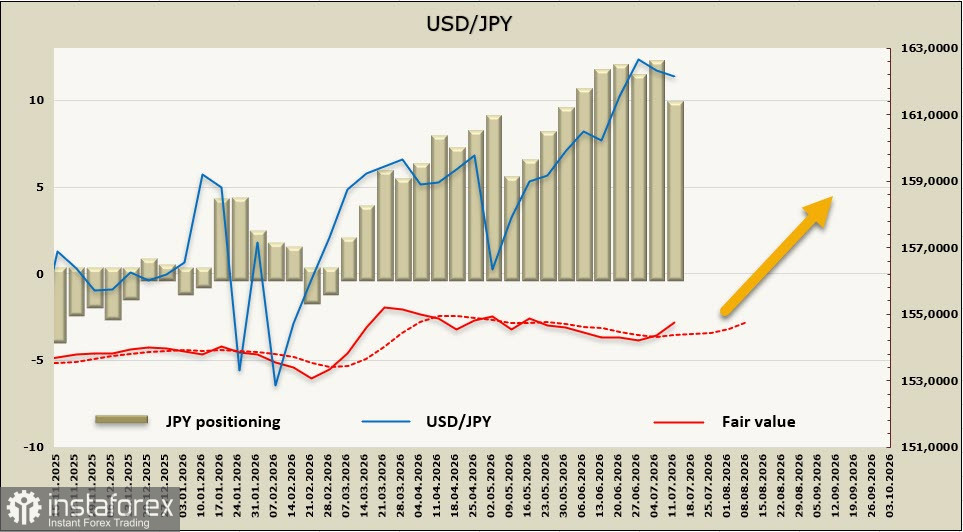
Yen kini menjadi mangsa tiga faktor utama: kejutan bekalan tenaga luar, kemerosotan terma perdagangan, dan perbezaan kadar faedah yang berterusan berbanding Amerika Syarikat. Walaupun Bank Pusat Jepun telah menaikkan kadar dasarnya kepada 1.0% dan menegaskan kesanggupan untuk meneruskan penormalan dasar monetari, pasaran masih belum mengambil kira kemungkinan kenaikan kadar tambahan sebelum Disember 2026.
Daripada sudut teknikal, pasangan USD/JPY kini menghampiri ujian pada paras 163.00. Penembusan berterusan melepasi paras rintangan ini berpotensi membuka laluan ke julat 165.00–170.00 dan hampir pasti mencetuskan tindak balas daripada pihak berkuasa Jepun. Daripada sudut asas pula, perkembangan geopolitik kekal sebagai pemacu utama pasaran. Selagi konflik yang menjejaskan Selat Hormuz berterusan, risiko kekal condong ke arah kelemahan lanjut yen walaupun retorik Bank of Japan semakin menunjukkan kecenderungan mengetatkan dasar. Paras 163.00 merupakan ambang teknikal kritikal, yang menggambarkan rintangan mendatar jangka panjang sejajar dengan titik tengah saluran menaik yang terbentuk sejak 2022 serta sempadan atas saluran dagangan tahunan. Penembusan tegas melepasi paras ini akan mengubah secara mendasar prospek jangka panjang yen.
* Analisis pasaran yang disiarkan di sini adalah bertujuan untuk meningkatkan kesedaran anda, tetapi tidak untuk memberi arahan untuk membuat perdagangan.
Kajian analisis InstaSpot akan membuat anda mengetahui sepenuhnya aliran pasaran! Sebagai pelanggan InstaSpot, anda disediakan sejumlah besar perkhidmatan percuma untuk dagangan yang cekap.


