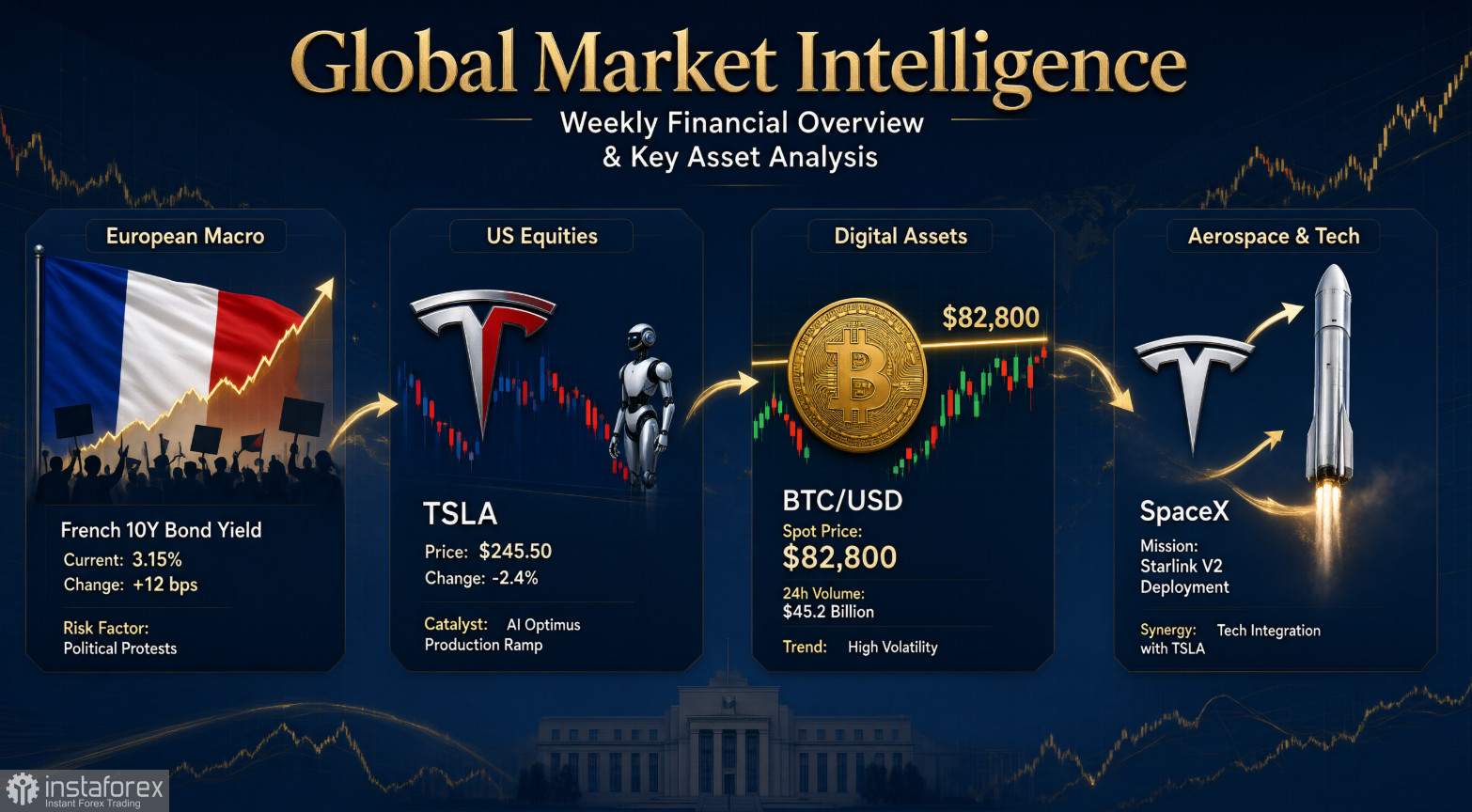
October 22, 2026, marked a historic day for European markets: France's 10-year yield rose above the comparable US rate for the first time since 2013. The alarm prompted memories of the euro-area debt crisis, though experts say this episode differs materially from the events a decade ago.
The root of the problem is political as much as it is fiscal. Student protests in Paris have escalated into wide-ranging unrest with elements of looting. Against this backdrop, the French government faces a serious budget crisis: the deficit has swollen to about 5.1% of GDP, while the parliament is deeply divided on key fiscal policy questions.
Prime Minister Sebastien Lecornu plans to cut €54 billion from the 2027 budget, but consensus in the legislative body has not been reached. Finance Minister Roland Lescure has hinted at using Article 49.3 of the Constitution to push the budget through without a vote. "We have no choice," he said on RTL.
Markets responded immediately. France's 10-year yield pierced 5% on Wednesday, a level not seen since 2002. Selling accelerated into Thursday, and the spread between French OATs and German Bunds widened to its largest level since 2011.
Paradoxically, France is now borrowing at higher rates than Italy and Greece, countries that until recently were the euro area's headline trouble spots. The CAC 40 led European indices lower, dragging the pan-European STOXX 600 down with it.
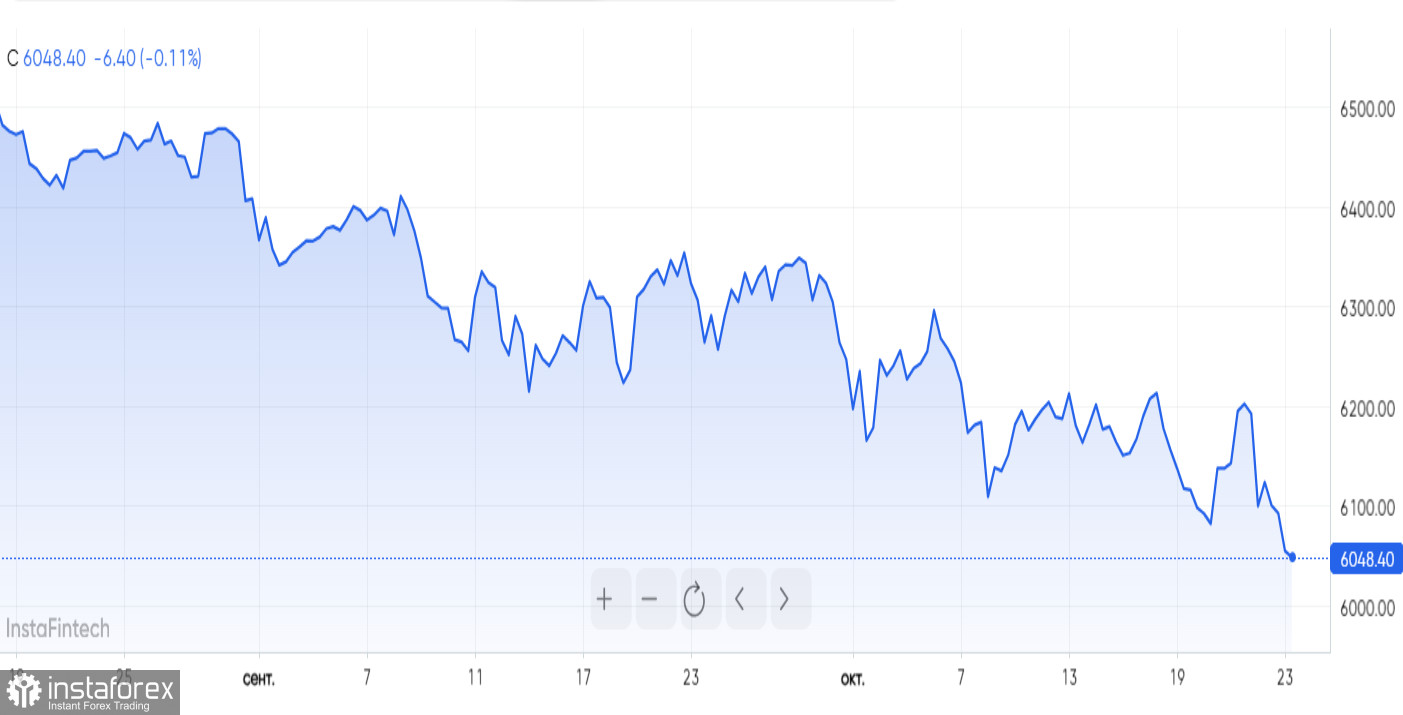
Investors rushed into safe havens: US Treasuries rallied as equities fell and doubts grew about the wisdom of financing massive AI investments with borrowed money.
Europe's banks have taken a double hit. Over the past six weeks, the region's financial sector shares fell about 10%, roughly five times the decline of the broader market. The three largest French banks lost about 17% of market capitalization.
There are, however, encouraging signs. EBA data shows euro-area banks hold roughly €4.3 trillion of sovereign bonds, and capital levels have risen faster than those holdings. The share of domestic sovereign debt in banks' portfolios has fallen to about 41% from over 50% in 2013. By contrast, Italian banks held more than 100% of their capital in domestic sovereigns during the 2011–2012 crisis.
"Banks come from a better starting point, but they are not immune," Simon Ainsworth at Moody's warns. Aneeka Gupta of WisdomTree points to a structural risk: French banks issue more wholesale debt than any other issuer in the EU.
Higher sovereign yields will lift funding costs at refinancing time. Still, Christos Megalou, CEO of Piraeus Bank, believes that regulators and financial institutions have "proven tools" that can prevent a repeat of the systemic failures of the past.
France's situation is a classic example of political risk morphing into financial stress. For private investors, these periods of volatility create opportunities to diversify portfolios and trade across a range of instruments, from government bonds to FX pairs and equity indices.
The assets discussed here are available for trading on the InstaSpot platform. To stay informed and react quickly to market moves, consider opening an InstaSpot account and downloading the mobile app to monitor and manage positions in real time.
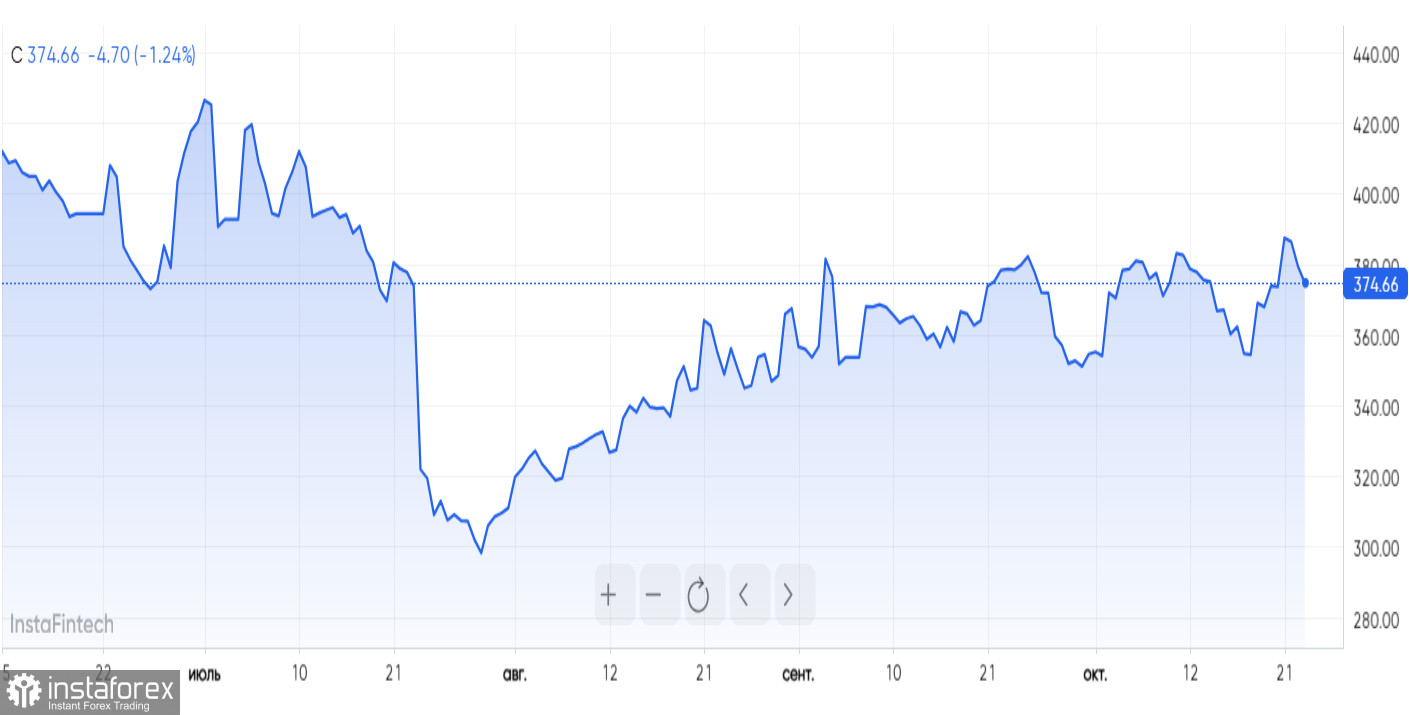
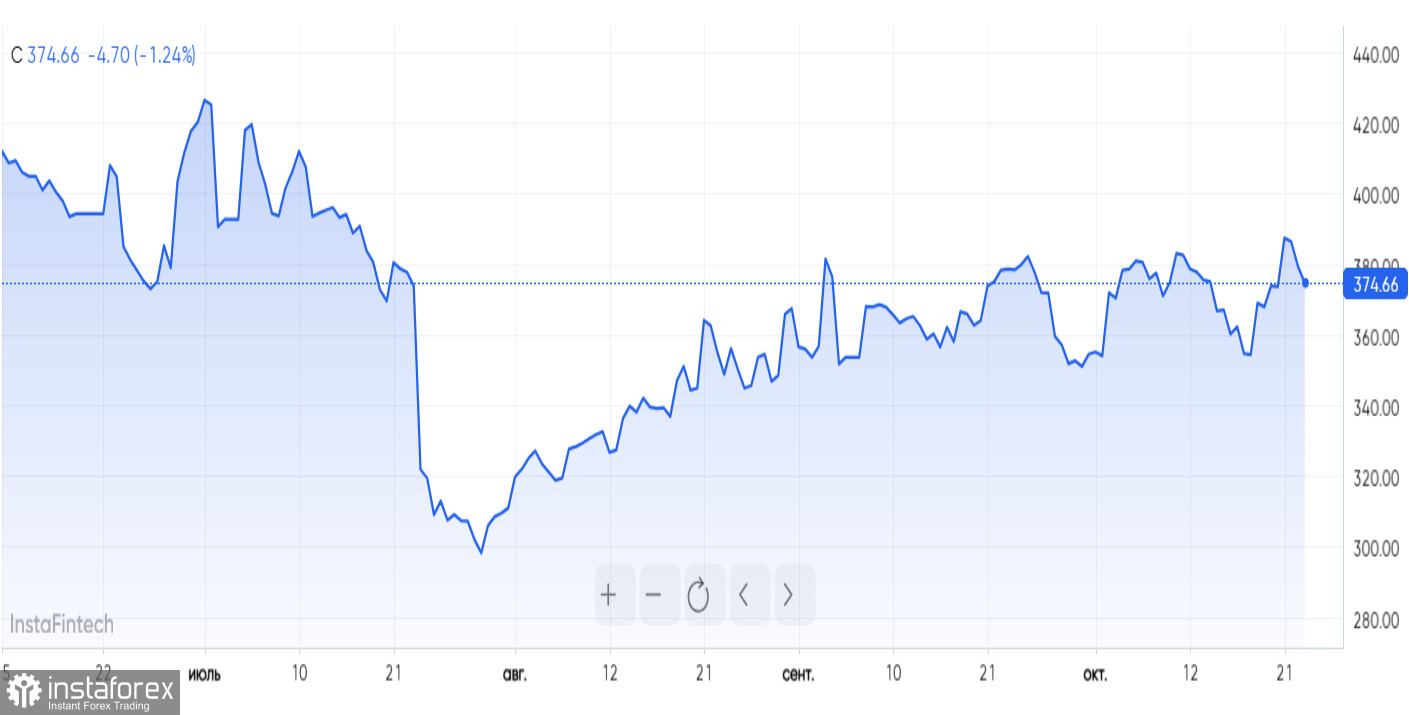
On October 22, Tesla shares delivered a paradox: the stock fell despite third-quarter results that beat Wall Street's estimates. The market was disappointed not by what was in the report but by what was missing — the scale of AI spending investors had expected.
At first glance, Tesla's report looks solid. Revenue came in at $28.05 billion, a touch above the consensus of $27.9 billion. Adjusted EPS was $0.48 versus $0.43 expected. GAAP net income, however, fell 43% year-over-year to $787 million, partially offset by an impressive free-cash-flow print.
Here lies the quarter's central intrigue. Analysts had prepared for a cash burn of roughly $4.92 billion. Instead, Tesla generated $1.53 billion of free cash. The reason is plain: the company spent materially less on AI and robotics development than the market expected.
CapEx totaled $4.7 billion. Although more than double last year's level, that figure is well below bearish forecasts of about $7.5 billion. CFO Vaibhav Taneja attributed the savings to tighter capital management and even trimmed Tesla's 2026 capex outlook, from $25 billion down toward $20 billion.
For many investors, that fiscal discipline came as an unwelcome surprise. The market had bought into a narrative of Tesla in an aggressive "arms race" for AI, pouring huge sums into the future. Tesla's current posture signals the opposite.
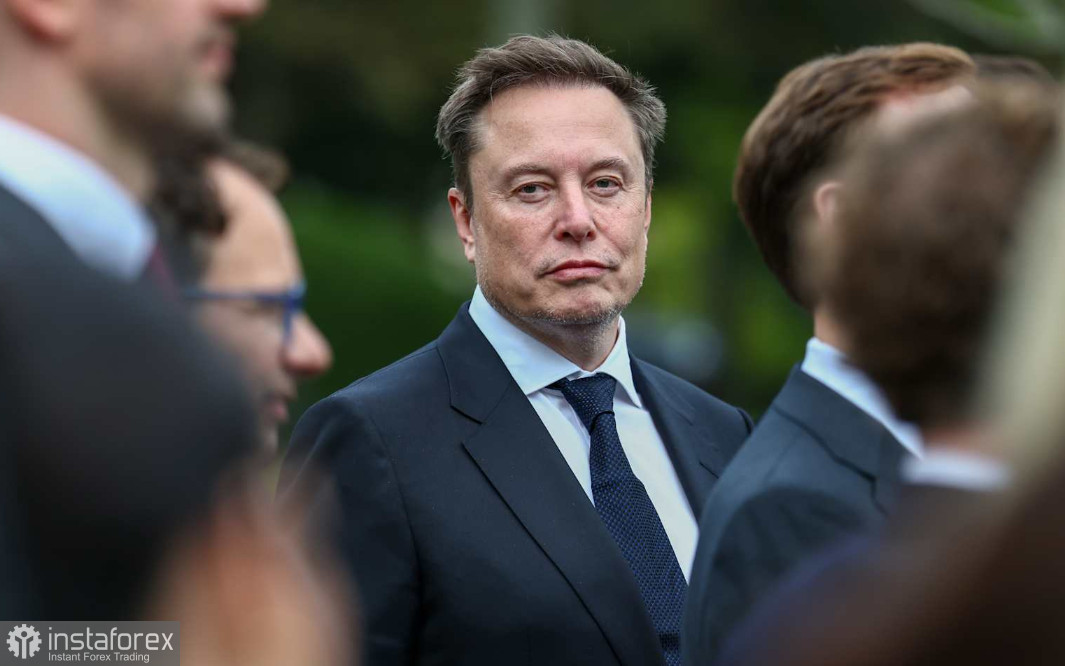
"Lower capex suggests less of an 'all-in' approach to the AI arms race than one would expect from Elon," Ryan Lee at Direxion said.
Other signals reinforce the caution. Jed Dorsheimer at William Blair noted Musk has effectively "dialed down expectations" for the timing of Optimus and potential robotaxi revenue.
R&D spending did rise — to $2.76 billion from $1.63 billion a year earlier — and operating income fell to $718 million, but overall spending trends are less radical than those who want an all-out tech push had hoped.
Sell-side reaction was mixed. Some see prudence or a pullback in ambition; others remain constructive. Deutsche Bank kept a buy rating, and Canaccord Genuity raised its price target to $442. Dan Levy at Barclays argues that Tesla's AI initiatives remain intact despite the budget reset.
That said, the market voted with its feet: in premarket trading, the stock dropped roughly 4% and remained below yesterday's close into the morning. Investors want clearer evidence of how Tesla will balance near-term profitability with its futuristic projects.
Thursday turned into a day of disappointment for Bitcoin. After a promising overnight pop toward $85,000, the flagship cryptocurrency pulled back to its familiar level near $82,800. What drove the reversal, and what should investors expect ahead of the Fed's key decision?
Only a day earlier, the market was buoyant. On Wednesday, October 21, Bitcoin posted a second straight day of gains, overcoming the psychological $84,000 mark and brushing $84,800. The rally was supported by strong corporate earnings and SpaceX headlines: the company not only reported impressive quarterly results but also confirmed the creation of a special committee to study a possible merger.
However, the celebratory tone quickly gave way to sober reckoning. As Ilya Kalchev of Nexo Dispatch aptly noted, the move "looked modest in scale" because "fresh money was limited." Indeed, in roughly six hours, the price fell by more than $2,000 to about $82,600.
The main catalyst for the correction was renewed nervousness in tech equities as investors began to question whether massive AI spending will pay off:
The sell-off spilled into Asian and European markets: South Korea's Kospi and China's CSI 300 fell. Also, doubts grew that the AI sector can sustain previous rates of capex growth amid mounting uncertainty.
Geopolitical tensions added fuel to the fire. Oil prices climbed toward five-month highs as Middle East tensions rose, and reports of potential renewed hostilities involving the US, Israel, and Iran reminded traders of inflation risks. Higher energy prices translate into upward pressure on inflation and reduce central banks' room to ease policy, reinforcing the case for tighter financial conditions.
Bitcoin is now trapped in a narrow range it has been trading in for about a month. The Q3 autumn rally appears to have lost momentum, and all eyes are on next week's Federal Reserve decision as a potential market mover for crypto.
Technicians warn that a decisive break below $82,500 could open the door to a much deeper correction, potentially down to $70,000. For now, Bitcoin is holding its ground but continues to exhibit the elevated volatility typical of this environment.
The market hates boredom — and SpaceX's stock provided a vivid reminder. On Thursday, October 22, investors rode an emotional roller coaster: just a day after celebrating blockbuster financial results, the company's shares dropped roughly 5%.
What flipped euphoria into caution? The answer lies in Elon Musk's ambitious merger talk, looming European regulatory scrutiny, and alarming near-term spending projections.
The story began with optimism. On October 20, SpaceX reported Q3 results that blew past Wall Street expectations. Revenue surged a phenomenal 161% to about $14.6 billion, and the company swung from a deep loss a year earlier (roughly $1.1 billion) to net income of about $4.4 billion.
The standout was the AI division, Super Intelligence, which posted revenue growth of 830% to $7.56 billion. It looked like nothing could spoil the celebration — shares jumped nearly 8%.
But the joy proved short-lived. At the analyst meeting, Elon Musk dropped a bombshell: he called a SpaceX-Tesla merger "a good idea." While deal terms are not settled, special committees of both companies' boards are already working on the concept.
Bloomberg reports the target is a first-half-2027 announcement to close the deal while Donald Trump remains president.
Despite the sell-off, bullish voices remain. BofA Global Research raised its target to $275 from $235, and Pivotal Research lifted its target to $260 from $230 — both keeping "Buy" ratings.
Musk acknowledges the challenge: any deal would require approval from at least 50% of Tesla shareholders, a threshold he calls "fairly high." But it's precisely those bold gambits that make the SpaceX story so compelling to investors.
The trading instruments mentioned in this article, including shares of major global firms, are available on the InstaSpot platform. To capture opportunities in volatile markets, open an InstaSpot account and download the mobile app now. Stay at the center of events with InstaSpot.
*La presente analisi del mercato ha un carattere esclusivamente informativo e non rappresenta una guida per l`effettuazione di una transazione.
Le recensioni analitiche di InstaSpot ti renderanno pienamente consapevole delle tendenze del mercato! Essendo un cliente InstaSpot, ti viene fornito un gran numero di servizi gratuiti per il trading efficiente.