




Nella nostra squadra ci sono più di 7.000.000 trader! Ogni giorno ci impegniamo a far sì che il trading migliori. Conseguiamo grandi risultati e ci muoviamo in avanti.
Il riconoscimento da parte di milioni di trader in tutto il mondo rappresenta l'alta valutazione della nostra attività! Voi avete fatto la vostra scelta e noi faremo la nostra al fine di soddisfare le vostre aspettative!
Assieme siamo una grande squadra!
InstaSpot. Siamo orgogliosi di lavorare per voi!





Attore, campione del mondo di lotta libera e semplicemente un vero maciste russo! Persona venuta dal nulla. Persona che rispecchia i nostri obiettivi. Il segreto del successo di Taktarov consiste nel mirare continuamente al suo scopo.
Dischiudi anche tu tutti gli aspetti del tuo talento! Impara, prova, sbaglia, ma non fermarti!
InstaSpot - la storia delle tue vittorie inizia qui!

The pound should arguably have fallen more sharply after the latest UK labor market figures, but it did not. There are reasons for that, and they point to what comes next.
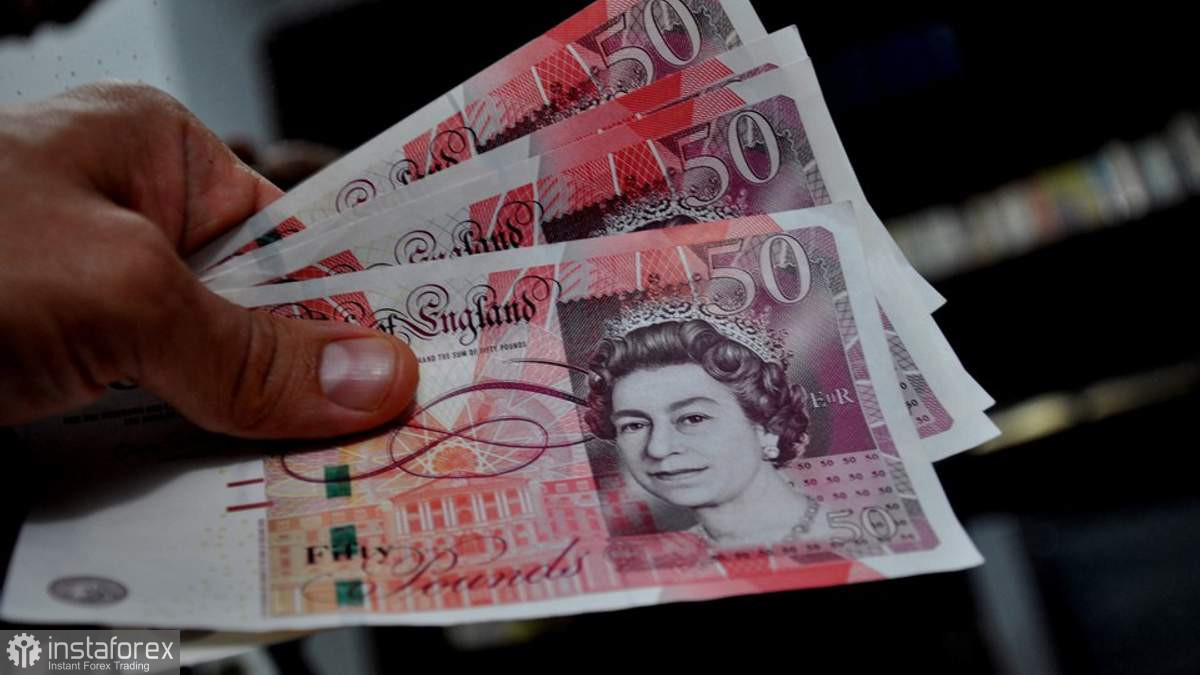
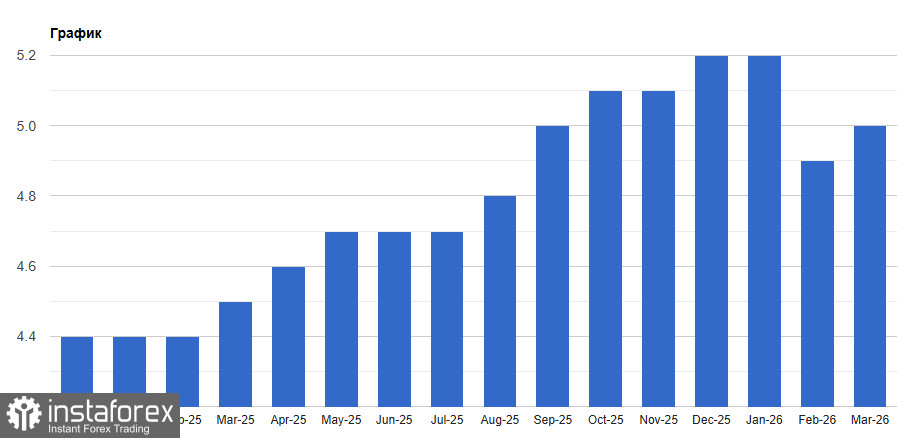
According to the Office for National Statistics, the UK labor market is cooling. Joblessness rose to 5.0% for the January–March 2026 period, above market expectations and up from 4.9% in February. In absolute terms the number of unemployed fell by 77,000 to 1.806 million—mainly reflecting a reduction in short-term unemployment—but on a year-on-year basis unemployment rose by 192,000 across all duration bands.
For context, unemployment was 4.4% at the start of 2025. Since then, it has climbed 0.6 percentage point—a slow but steady trend of labor market cooling that has intensified since the outbreak of war with Iran in late February 2026.
Annual regular pay growth for January–March 2026 stood at 3.4% excluding bonuses and 4.1% including bonuses. That is an important signal. Regular pay growth of 3.4% is the weakest since late 2020. Public sector wages continue to outpace private sector pay: public pay rose by about 5%, while private sector pay increased by 3.2%.
That is a critical point for the Bank of England. With consumer price inflation (CPI) at 3.8% year-on-year, 3.4% nominal pay growth implies a fall in real incomes. That gap is the bank's principal policy concern: inflation is rising while wages lag, risking a sharp contraction in consumer demand.
Yet the pound's decline was muted rather than dramatic. The reason is that the market recognizes the labor figures as only one factor, and not the dominant one. The primary driver of GBP/USD remains the Strait of Hormuz and developments in the Middle East.
Fundamentally, the United Kingdom is a net energy importer, which weighs on sterling: in March, immediately after the start of the Middle Eastern conflict and the closure of the Strait of Hormuz, GBP fell 1.9 percent. Hopes for a diplomatic resolution then triggered a reversal and pushed GBP/USD back above 1.3500. That reflects today's market hierarchy: labor market data are background noise; geopolitics send the main signal. That was confirmed yesterday, when President Trump announced the cancellation of a planned strike on Iran following calls from the leaders of Saudi Arabia, Qatar, and the UAE, prompting a sharp rise in demand for risk assets.
The upshot is clear: as long as the Strait of Hormuz remains closed, the UK economy will continue to suffer shocks; inflation will accelerate while depressing consumer demand and business activity; and now, on top of that, the labor market has started to show strain.
*La presente analisi del mercato ha un carattere esclusivamente informativo e non rappresenta una guida per l`effettuazione di una transazione.
Le recensioni analitiche di InstaSpot ti renderanno pienamente consapevole delle tendenze del mercato! Essendo un cliente InstaSpot, ti viene fornito un gran numero di servizi gratuiti per il trading efficiente.


