




Nella nostra squadra ci sono più di 7.000.000 trader! Ogni giorno ci impegniamo a far sì che il trading migliori. Conseguiamo grandi risultati e ci muoviamo in avanti.
Il riconoscimento da parte di milioni di trader in tutto il mondo rappresenta l'alta valutazione della nostra attività! Voi avete fatto la vostra scelta e noi faremo la nostra al fine di soddisfare le vostre aspettative!
Assieme siamo una grande squadra!
InstaSpot. Siamo orgogliosi di lavorare per voi!





Attore, campione del mondo di lotta libera e semplicemente un vero maciste russo! Persona venuta dal nulla. Persona che rispecchia i nostri obiettivi. Il segreto del successo di Taktarov consiste nel mirare continuamente al suo scopo.
Dischiudi anche tu tutti gli aspetti del tuo talento! Impara, prova, sbaglia, ma non fermarti!
InstaSpot - la storia delle tue vittorie inizia qui!

The Bank of Japan has substantially revised up its forecast for the output gap between actual and potential production. PMI indices are at a very strong level — 52.9 — and Tankan indices are rising in manufacturing while remaining at record levels in services. Combined with an inflationary shock in the energy sector and a record-tight labor market, this sets the stage for further tightening of BOJ policy. Wage negotiations are expected to produce another notable rise in pay in 2026, which will add to the case for higher interest rates.
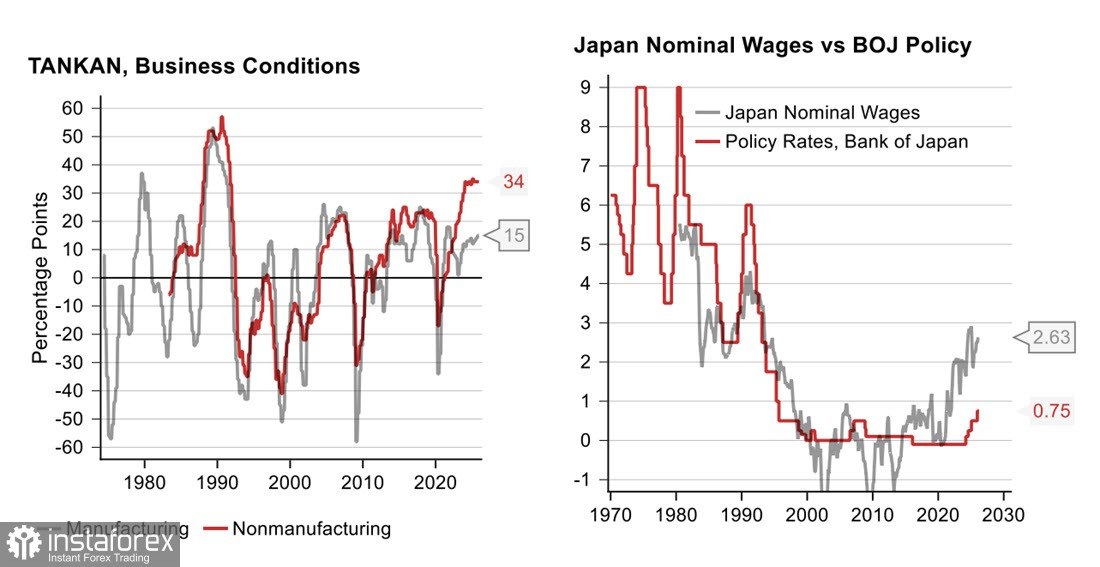
At the start of the year, inflation was expected to gradually fall to 1.5%, but the war changed everything; the question now is whether it could rise to 2% or even higher under pressure from the rapid jump in energy prices. No one knows the answer yet, and forecasts remain unreliable until there is a mechanism to restore global oil and gas supplies to normal flows.
By early April, expectations for a BOJ rate increase had firmed, and the weaker yen supported those expectations — the question is how those expectations have shifted. If before the Gulf conflict they were around 1.5%, most analysts now see a terminal rate of about 2.0%. But the BOJ is unlikely to react solely to an approaching energy shock: as Mizuho argues, one must weigh inflation dynamics against energy's impact on growth and corporate profitability.
The yen remains the asset for selling: over the week, the speculative net short position rose by $1.6 billion to -$7.3 billion. However, the implied price is turning down under the influence of attempts to restart the peace process in the Middle East, as dollar demand eases.
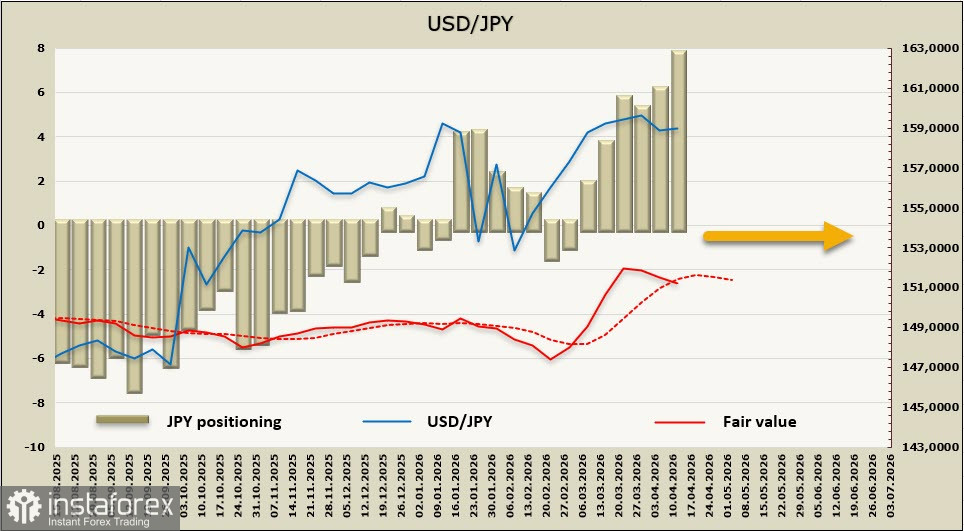
Were it not for the clear threat of currency intervention, the yen would likely have weakened much more amid the Gulf conflict. That threat is keeping USD/JPY from decisively breaking 160. Still, the trend is such that if a peace process is not launched, a rise in USD/JPY to 162 and above becomes more likely despite the intervention risk. Rising USD/JPY in the current environment can only be halted by the removal of the physical supply-risk threat to Japan's economy, which in turn requires a resolution in the Gulf.
If, conversely, the war were to end soon with an agreement adhered to by all parties, the yen would likely move down toward the 156.00/50 area, but for now that scenario remains hypothetical.
*La presente analisi del mercato ha un carattere esclusivamente informativo e non rappresenta una guida per l`effettuazione di una transazione.
Le recensioni analitiche di InstaSpot ti renderanno pienamente consapevole delle tendenze del mercato! Essendo un cliente InstaSpot, ti viene fornito un gran numero di servizi gratuiti per il trading efficiente.


