




Tim kami memiliki lebih dari 7.000.000 trader!
Setiap harinya kami bekerja sama untuk meningkatkan trading. Kami memperoleh hasil tinggi dan terus bergerak maju.
Pengakuan dari jutaan trader diseluruh dunia merupakan apresiasi terbaik dari kerja kami! Anda membuat pilihan anda dan kami akan melakukan semua yang dibutuhkan untuk memenuhi ekspektasi anda!
We are a great team together!
InstaSpot. Bangga bekerja bersama anda!





Seorang Aktor, juara 6 turnamen UFC dan pahlawan sesungguhnya!
Pria yang berhasil. Pria yang berusaha keras.
Rahasia dibalik kesuksesan Taktarov adalah pergerakan konstan menuju target.
Tunjukkan seluruh sisi dari bakat anda!
Temukan, coba, gagal - namun jangan pernah berhenti!
InstaSpot. Cerita sukses anda dimulai disini!

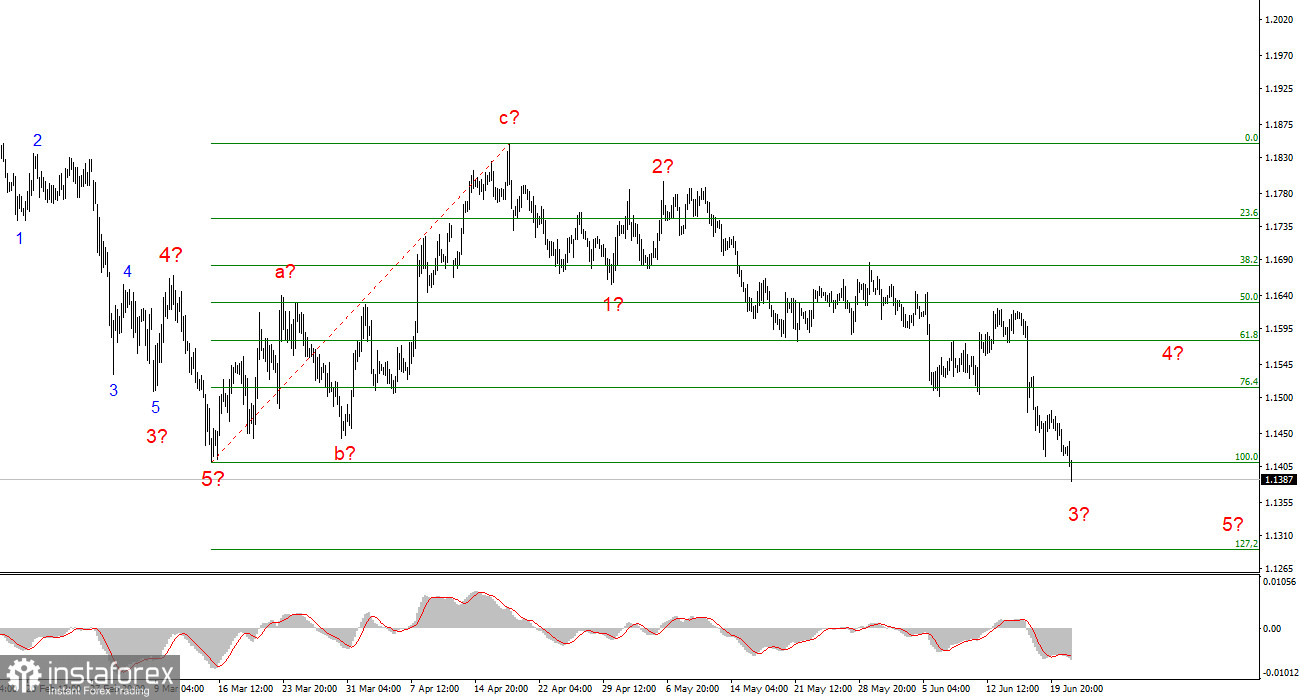
Pola gelombang pada grafik 4 jam untuk EUR/USD terus menjadi semakin kompleks. Masih belum ada alasan untuk mengatakan bahwa segmen tren naik (grafik bawah) yang dimulai pada Januari tahun lalu telah dibatalkan. Namun, struktur tren saat ini telah berbentuk korektif. Dalam jangka panjang, gelombang C diperkirakan akan berkembang, dengan level terendahnya kemungkinan berada di bawah titik terendah gelombang A. Saat ini, penurunan euro sedalam itu memang sulit dipercaya, mengingat konflik di Timur Tengah telah berakhir. Namun, permintaan terhadap dolar AS tetap kuat, sehingga gelombang C yang diperkirakan tersebut pada akhirnya bisa berkembang menjadi struktur yang lengkap.
Pada time frame yang lebih pendek, saya dapat mengidentifikasi struktur bearish klasik lima gelombang. Jika asumsi ini benar, gelombang 3 saat ini tengah berkembang dan sudah membentuk pola lima gelombang yang cukup jelas. Setelah struktur ini selesai, instrumen berpotensi beralih ke rangkaian gelombang naik. Namun, menurut hitungan gelombang saat ini, gelombang 5 masih belum terbentuk.
Pada hari Selasa, pasangan EUR/USD kehilangan lagi 40 basis poin dan kini telah turun total 200 poin sejak hari Rabu lalu. Menurut saya, ini sudah lebih dari cukup untuk mengatakan bahwa hasil pertemuan Federal Reserve sepenuhnya tercermin dalam harga.
Sebagai pengingat, seminggu lalu, Ketua FOMC yang baru, Kevin Warsh, menyatakan bahwa prioritas nomor satu regulator tetap memerangi inflasi yang tinggi. Ia menekankan bahwa Federal Reserve sudah lima tahun gagal mengendalikan inflasi harga konsumen dan bahwa sekarang saatnya untuk mengakhirinya. Lazimnya, pasar menafsirkan pernyataan ini sebagai sinyal bahwa Fed mungkin tidak hanya melakukan satu putaran pengetatan moneter, tetapi juga dapat terus menaikkan suku bunga hingga inflasi kembali ke target 2%.
Menurut pandangan saya, tidak akan ada siklus pengetatan penuh, dan Kevin Warsh mengambil sikap hawkish karena ia hampir tidak punya pilihan lain. Seandainya Warsh menyatakan bahwa Fed tidak siap memerangi inflasi, ia akan langsung menghadapi gelombang kritik. Sebaliknya, ia menunjukkan komitmen regulator untuk melawan lonjakan harga, meskipun tindakan nyatanya nanti bisa berbeda dengan ucapannya.
Pertama, konflik di Timur Tengah telah terselesaikan, dan saat ini tidak ada alasan jelas untuk mengharapkan eskalasi baru. Selat Hormuz tetap terbuka, sehingga pasokan minyak kembali mengalir ke pasar global, yang sudah mendorong harga minyak turun. Akibatnya, tekanan inflasi seharusnya berhenti meningkat dan pada akhirnya bisa mulai mereda. Federal Reserve mungkin memerlukan satu atau dua kali kenaikan suku bunga, tetapi hanya sebagai langkah sementara untuk menahan dorongan inflasi saat ini.
Kedua, Warsh dianggap sebagai anak didik Donald Trump, yang kecil kemungkinan akan menyambut kebijakan moneter yang lebih ketat. Karena itu, saya tidak mengharapkan kenaikan suku bunga yang agresif dari Federal Reserve di bawah kepemimpinan Warsh. Jika inflasi mulai menurun secara bertahap, Fed kemungkinan akan mempertahankan pendekatan "wait-and-see" demi menghindari tekanan yang tidak perlu terhadap pertumbuhan ekonomi.
Ketiga, Federal Reserve kecil kemungkinannya akan mulai menaikkan suku bunga sebelum musim gugur. Banyak hal bisa terjadi sebelum itu, yang berpotensi memengaruhi pandangan dan sikap kebijakan regulator.
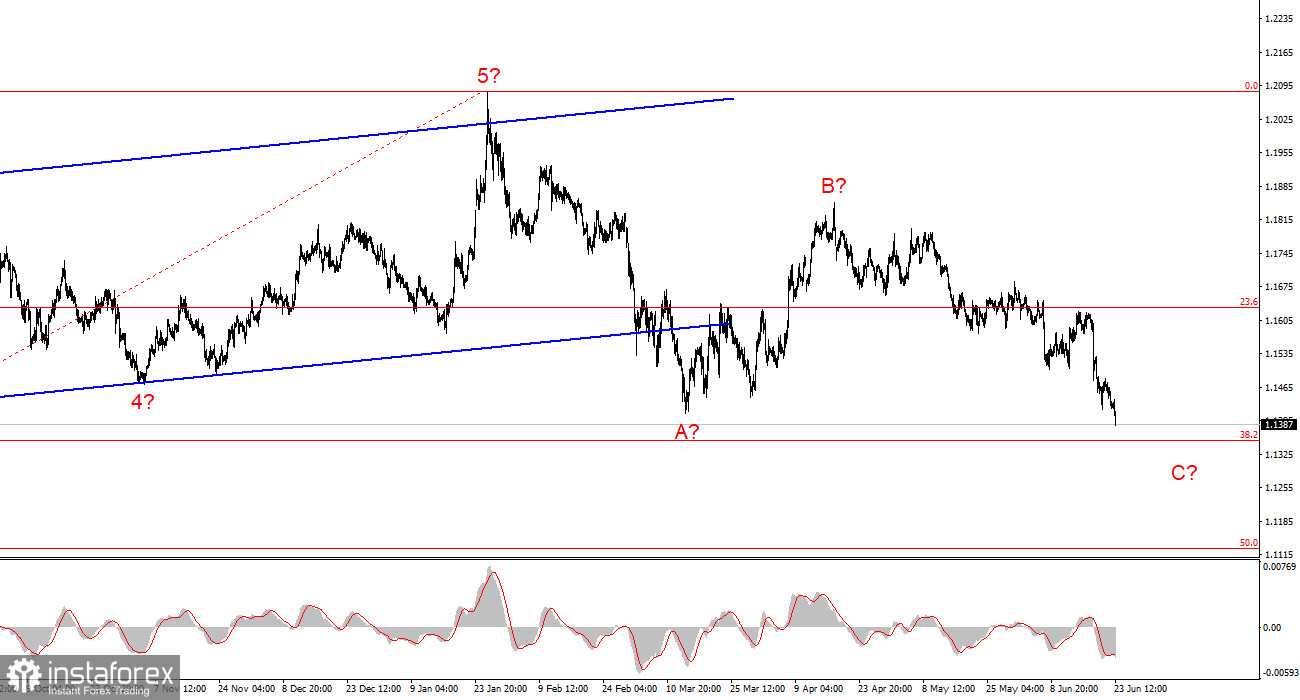
Berdasarkan analisis EUR/USD, saya menyimpulkan bahwa instrumen ini masih berada dalam segmen tren naik yang lebih luas (grafik bawah), sementara dalam jangka pendek masih berada dalam fase tren menurun. Menurut saya, kondisi saat ini dapat menawarkan peluang untuk mempertimbangkan posisi beli, tetapi pasangan ini masih mungkin turun jauh di bawah level 1,1400 sebagai bagian dari gelombang C. Jika skenario ini terbukti benar, mungkin lebih bijak menunggu gelombang 5 dari C selesai terbentuk sebelum mempertimbangkan posisi baru. Selain itu, latar belakang geopolitik yang semakin positif tidak lagi menjadi faktor penghambat bagi dolar AS.
Pada time frame yang lebih panjang, segmen tren naik masih terlihat, diikuti oleh perkembangan struktur gelombang korektif. Dalam waktu dekat, gelombang C diperkirakan akan berlanjut menuju target di sekitar 1,1352, yang bertepatan dengan level retracement Fibonacci 38,2%. Setelah struktur korektif A-B-C selesai, tren bullish jangka panjang yang baru dapat dimulai.
*Analisis pasar yang diposting disini dimaksudkan untuk meningkatkan pengetahuan Anda namun tidak untuk memberi instruksi trading.
Tinjauan analitis InstaSpot akan membuat Anda menyadari sepenuhnya tren pasar! Sebagai klien InstaSpot, Anda dilengkapi dengan sejumlah besar layanan gratis untuk trading yang efisien.


