



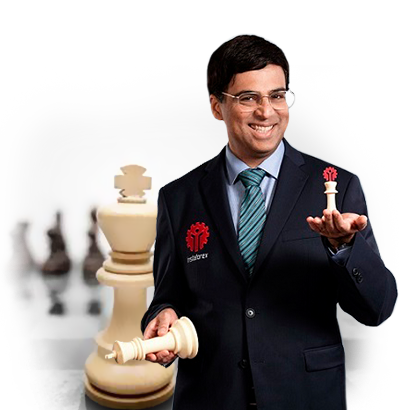
La légende dans l'équipe InstaSpot!
La vraie légende! Vous pensez que c'est trop pathétique? Mais comment pouvez-vous appeler un homme qui, à 18 ans, est devenu le premier champion du monde d'échecs parmi les jeunes hommes d'Asie, et à dix-neuf ans – le premier grand maître de l'histoire de son pays? Ce fut le début de la voie du champion d'échecs –Viswanathan Anand – l'homme qui a inscrit son nom à jamais dans l'histoire des échecs du monde. Une autre légende dans l'équipe d'InstaSpot!





Le FC Borussia est l'un des clubs de football les plus titrés d'Allemagne, qui a prouvé à maintes reprises à ses fans que l'esprit de rivalité et de leadership mènera certainement au succès. Négociez de la même manière que les professionnels du sport mènent le jeu: en toute confiance et activement. Devenez un leader avec le FC Borussia et soyez en tête avec l'équipe InstaSpot!
Germany's exports grew the most in four months in February as U.S. importers frontloaded orders ahead of the imposition of new tariffs by the Trump administration, while industrial production declined more than expected in February indicating more challenges ahead for the economy. Exports grew 1.8 percent month-on-month in February, following stagnation in January, Destatis reported. This was the fastest growth since November.
Imports advanced 0.7 percent on a monthly basis, which was slower than the 5.0 percent increase in January.
As a result, the trade surplus increased to EUR 17.7 billion from EUR 16.2 billion in January. However, this was below economists' forecast of EUR 18.4 billion.
On a yearly basis, exports decreased 1.8 percent after a 1.3 percent fall. At the same time, growth in imports slowed to 3.1 percent from 7.5 percent.
Most German exports in February went to the United States. Shipments to the United States climbed 8.5 percent from January. By contrast, imports from the United States decreased 3.9 percent.
The ifo Institute last week said the new reciprocal U.S. tariffs would reduce German exports to the United States by less than 3 percent. If the EU were to take no countermeasures, German exports would drop 2.4 percent, the institute said.
"However, the impact of reciprocal tariffs would be significantly lower for Germany than with a blanket US tariffs increase of 20 percent," ifo trade expert Lisandra Flach said.
Industrial production declined by more-than-expected 1.3 percent on a monthly basis, in contrast to the 2.0 percent increase in January. Output was expected to drop 0.9 percent.
On a yearly basis, industrial production decreased 4.0 percent, following January's 1.6 percent fall.
The monthly fall in overall production was attributable to the 3.2 percent fall in construction output and a 5.3 percent drop in the food industry.
Excluding energy and construction, industrial production fell 0.5 percent from January and was down 4.1 percent from the previous year.
Production of capital goods gained 0.2 percent, while intermediate and consumer goods output slid 0.4 percent and 3.0 percent, respectively.
With the U.S. demand generating around 7 percent of German manufacturing value added, the sector will be hit hard by tariffs, Capital Economics economist Franziska Palmas said.
As higher defence and infrastructure spending are still months away, it looks likely that German industrial production will contract again in the coming months, the economist noted.


