




The legend in the InstaSpot team!
Legend! You think that's bombastic rhetoric? But how should we call a man, who became the first Asian to win the junior world chess championship at 18 and who became the first Indian Grandmaster at 19? That was the start of a hard path to the World Champion title for Viswanathan Anand, the man who became a part of history of chess forever. Now one more legend in the InstaSpot team!





Borussia is one of the most titled football clubs in Germany, which has repeatedly proved to fans: the spirit of competition and leadership will certainly lead to success. Trade in the same way that sports professionals play the game: confidently and actively. Keep a "pass" from Borussia FC and be in the lead with InstaSpot!

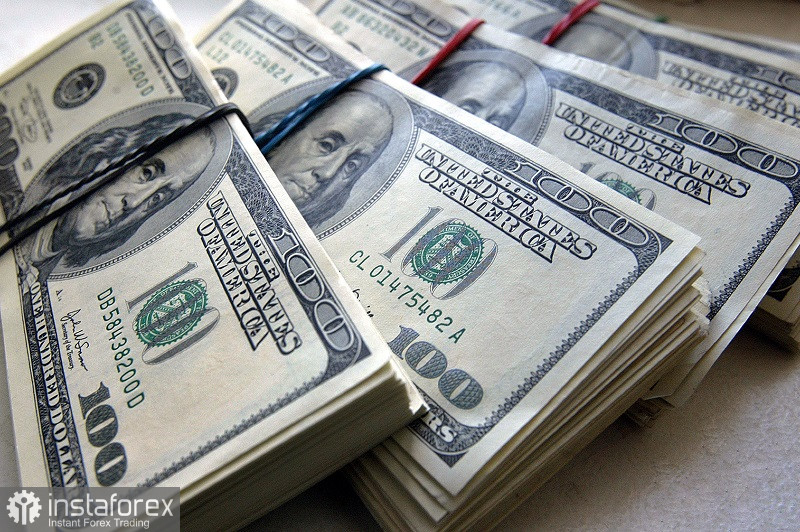
U.S. dollar buyers were clearly displeased with yesterday's data showing that the Conference Board consumer confidence index in the U.S. fell by 0.7 points to 93.1 in May—slightly worse than the consensus forecast of 92.0 and marking the third consecutive month below the 100 mark. This data coincided with the record low of the University of Michigan index, which was published last week. All of this indicates that the American consumer is feeling increasingly worse, and there is nothing surprising about that.
The most alarming component is the current conditions index, which dropped by 3.2 points to a three-month low. The proportion of consumers reporting sufficient job availability fell to its lowest level since 2021—this is one of the most sensitive leading indicators of the real state of the labor market. While official employment data remain stable, such a deterioration in perception traditionally precedes a real cooling period by several months.
The report states that two-thirds of respondents noted a reduction in spending due to rising prices. The picture is clear: people are buying less, delaying major purchases, and switching to cheaper alternatives. Plans to purchase cars, homes, and major household appliances have decreased. Rising gasoline prices hit low-income households the hardest—they disproportionately spend a larger share of their budget on fuel and virtually do not hold stocks, which are currently hitting records. The increase in mortgage lending also does not instill confidence in Americans regarding the future.
This creates a telling contradiction. Nearly 55% of respondents expect stock prices to rise in the coming year—the highest since the end of 2024. The expectations index for the next six months has reached a peak this year. In other words, people are simultaneously cutting back on spending today while believing in a rising stock market tomorrow. This clearly reflects the divide economists are increasingly discussing: the growth of the S&P 500 no longer feels like a growth in wealth for most Americans—it remains a story for those who have a portfolio and a good supply of cash.
For the Federal Reserve, this report does not fundamentally change the outlook. Consumer spending remains stable—partly due to tax refunds. However, the combination of declining confidence, worsening perceptions of the labor market, and persistently high inflation expectations leaves Kevin Warsh in the same trap as his predecessor: raising rates in the face of a weakening consumer is painful, but not raising rates when inflation is above 3% means losing market confidence.
*এখানে পোস্ট করা মার্কেট বিশ্লেষণ আপনার সচেতনতা বৃদ্ধির জন্য প্রদান করা হয়, ট্রেড করার নির্দেশনা প্রদানের জন্য প্রদান করা হয় না।
ইন্সটাফরেক্স বিশ্লেষণমূলক পর্যালোচনাগুলো আপনাকে মার্কেট প্রবণতা সম্পর্কে পুরোপুরি সচেতন করবে! ইন্সটাফরেক্সের একজন গ্রাহক হওয়ায়, দক্ষ ট্রেডিং এর জন্য আপনাকে অনেক সেবা বিনামূল্যে প্রদান করা হয়।


