




Our team has over 7,000,000 traders!
Every day we work together to improve trading. We get high results and move forward.
Recognition by millions of traders all over the world is the best appreciation of our work! You made your choice and we will do everything it takes to meet your expectations!
We are a great team together!
InstaSpot. Proud to work for you!





Actor, UFC 6 tournament champion and a true hero!
The man who made himself. The man that goes our way.
The secret behind Taktarov's success is constant movement towards the goal.
Reveal all the sides of your talent!
Discover, try, fail - but never stop!
InstaSpot. Your success story starts here!

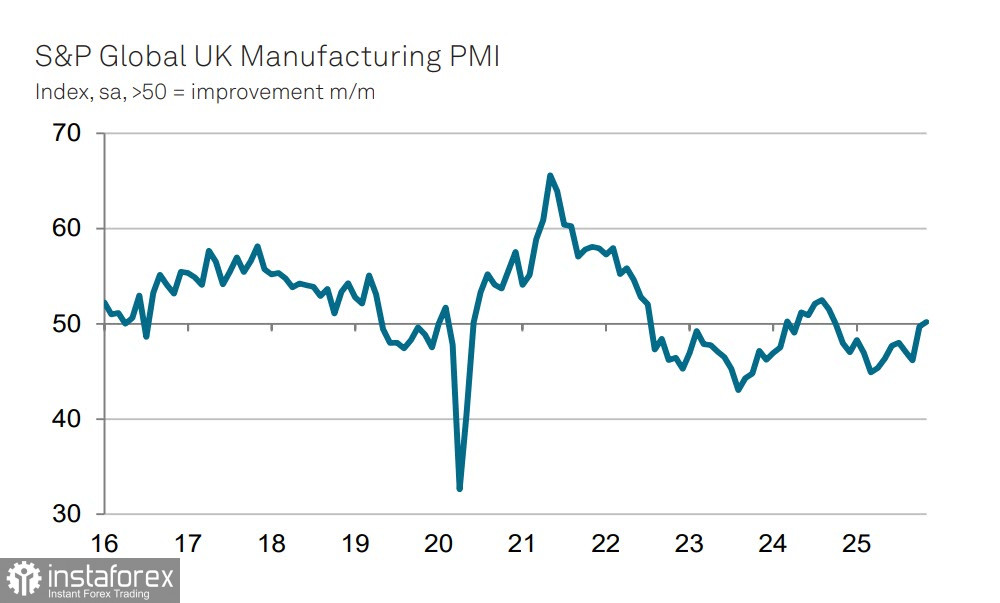
Recent macroeconomic data from the UK has been relatively sparse and has not provided new information to adjust the forecast for the pound. The PMI for the manufacturing sector in November rose to 50.2, up from 49.7 in October, and while this is a 14-month high, the index barely made it above the contraction zone.
The Bank of England meeting is scheduled for December 18, before which data on November inflation, the labor market, industrial production, and October GDP will be released. These data will help adjust rate expectations, which currently suggest a further quarter-point decrease. This is a bearish factor, but it is largely already factored into prices.
The government has presented its budget, which, as expected, entails a significant tightening of fiscal policy. The budget is intended to halt the growth of public debt, but the main effect of its adoption will not be evident in the coming months; however, it will act as a restraining factor on economic growth. GDP growth in the third quarter was only 1.3% year-on-year, and with the adoption of the new budget, expectations for the fourth quarter will worsen, which will not help the pound, as it will exert additional pressure on the BoE.
For now, it should be assumed that inflation growth has not yet stopped; this is the main threat to the BoE. If the November data show rising prices, the BoE may postpone the rate cut to the next meeting, and the pound would likely respond positively to the news.
The risk for the pound also lies in the significant current account deficit. The threat of an economic slowdown following the implementation of new fiscal measures will reduce capital flows, further pressuring the pound. Given all of the above, we expect that, in the long term, the pound will face difficulties rising and is likely to follow a bearish trend. In the short term, however, it may strengthen slightly, capitalizing on the dollar's weakness.
The calculated price remains above the long-term average; it is worth noting that this calculation is incomplete due to the lack of current CFTC data, but in any case, there are no signs that the pound may begin to decline.
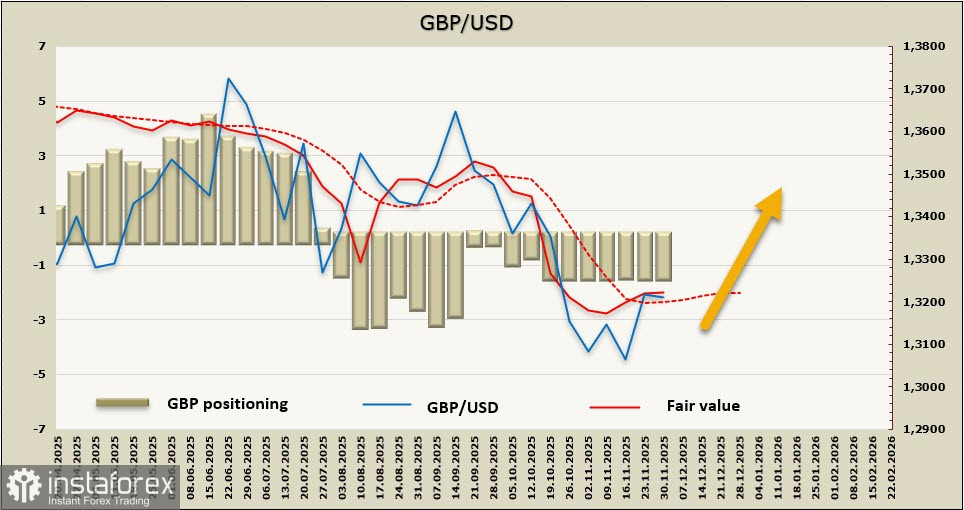
As we expected a week ago, the pound reacted positively to market confidence in an imminent Federal Reserve rate cut, attempting to stabilize above the resistance zone at 1.3190/1.3210, which was the nearest target. A more powerful move could not be developed, but the chances remain decent. We anticipate that after a brief consolidation, the pound will try to build on its success, with the possibility of reaching the technical level of 1.3364.
*এখানে পোস্ট করা মার্কেট বিশ্লেষণ আপনার সচেতনতা বৃদ্ধির জন্য প্রদান করা হয়, ট্রেড করার নির্দেশনা প্রদানের জন্য প্রদান করা হয় না।
ইন্সটাফরেক্স বিশ্লেষণমূলক পর্যালোচনাগুলো আপনাকে মার্কেট প্রবণতা সম্পর্কে পুরোপুরি সচেতন করবে! ইন্সটাফরেক্সের একজন গ্রাহক হওয়ায়, দক্ষ ট্রেডিং এর জন্য আপনাকে অনেক সেবা বিনামূল্যে প্রদান করা হয়।


