




Đội ngũ của chúng tôi có hơn 7,000,000 thương nhân!
Hàng ngày chúng tôi làm việc cùng nhau để cải thiện việc giao dịch. Chúng tôi nhận được kết quả cao và luôn tiến lên phía trước.
Sự công nhận của hàng triệu thương nhân trên toàn thế giới là sự đánh giá tốt nhất cho công việc của chúng tôi! Bạn đã đưa ra quyết định của mình và chúng tôi sẽ làm mọi thứ cần thiết để đáp ứng mong đợi của bạn!
Chúng ta cùng với nhau sẽ là một nhóm tuyệt vời!
InstaSpot. Tự hào làm việc cho bạn!





Diễn viên, nhà vô địch mùa giải UFC 6 và là người hùng thật sự!
Người tự mình làm nên tất cả. Người đàn ông đáng kể học hỏi.
Bí mật đằng sau thành công của Taktarov là sự cố gắng liên tục hướng tới mục tiêu.
Hãy khai phá tất cả các mặt tài năng của bạn!
Khám phá, thử, thất bại - nhưng không bao giờ dừng lại!
InstaSpot. Câu chuyện thành công của bạn bắt đầu từ đây!
Twenty-four-hour liquidity is normally a gift to traders trying to manage through a world rife with threats. However, getting too convinced by the direction of prices when American investors are asleep recently has been a recipe for pain.
Now you see it, now you don't, has been the experience of anyone watching US stock futures the last three sessions, when the S&P 500 contract has rallied 4.5%, 3.7% and 3.2% from lows touched in Asian hours.
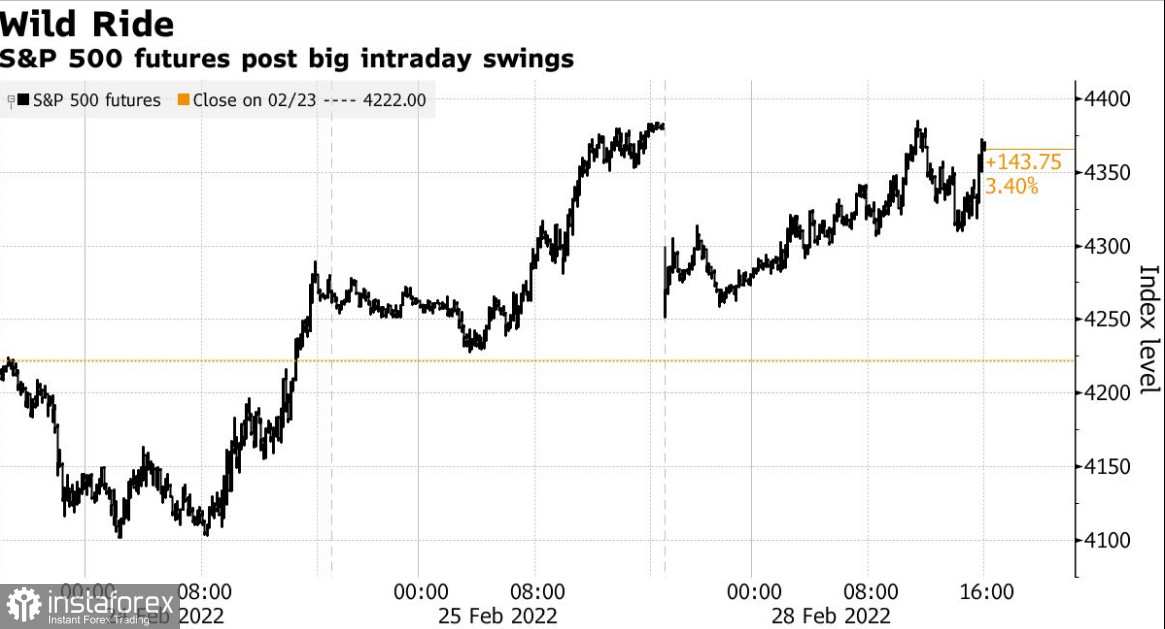
The difference between daytime and nighttime returns over the past three sessions was as wide as almost any time since 2008, according to data compiled by Bespoke Investment Group.
A lot of factors can explain this phenomenon.
Firstly, trader populations are awake at different times. Secondly, liquidity ebbs and flows as the session rolls on, and news on geopolitics dominates the overnight before US economic data arrives in the mornings.
By contrast, small shifts in sentiment are also being amplified by investors with very little conviction about where the market will end up, said Chris Harvey, head of equity strategy at Wells Fargo.
"An increasingly prevalent investor mentality is 'playing not to lose,'" Harvey said. "Many funds do not have a ton of risk appetite or risk budget to swing around. As a result, they're being very reactive. When the market begins to rally, we're seeing investors pile on and vice versa," he added, referring to bullish traders in the first case and bearish traders in the second.
However, the last three years have shown us that no trend is proving durable.
Over the three sessions through Monday, the biggest ETF tracking the S&P 500 saw its intraday performance surge ahead of overnight futures by 11 percentage points.
It is the second-biggest gap since the financial crisis, behind a three-day stretch in March 2020, data show.
Futures fell nearly 3% when they opened Sunday evening before paring the loss to 0.2% as of 4:15 p.m. in New York.
In fact, we should have accepted this by now. Vicious reversals have been a regular feature of markets in 2022.
Market volatility kicked up in January, when the Federal Reserve signaled growing resolve to fight inflation.
The situation worsened following Russia's invasion of Ukraine last week, setting a bearish trend for many sectors of the global market.
Data on the behavior of both institutional and amateur traders last Thursday illustrates how quickly the backdrop can shift.
That day, hedge funds, which make both bullish and bearish wagers on stocks, raised long positions and covered short sales, scooping up shares at the fastest pace since November 2020, data compiled by Morgan Stanley's prime broker show. According to an estimate from the firm's trading desk, institutional buying of S&P 500 futures reached a record.
While demand from retail investors has been less robust this month than in January, their purchases totaled $2.7 billion last week, with more than half coming on Thursday, Morgan Stanley data show.
One thing at work is that turmoil in Europe is boosting the allure of American assets, says George Pearkes, a strategist at Bespoke.
The "geopolitical news flow and all the worse implications for markets are happening outside of US hours, when things tend to calm down," he said. "Treasuries are the safety trade as long as the dollar is the lynchpin of the global economic system. US equities are also least-exposed to Russia when you look at composition by sector, direct economic links. The US being the flight to safety bid is very real."
InstaSpot analytical reviews will make you fully aware of market trends! Being an InstaSpot client, you are provided with a large number of free services for efficient trading.


