




The legend in the InstaSpot team!
Legend! You think that's bombastic rhetoric? But how should we call a man, who became the first Asian to win the junior world chess championship at 18 and who became the first Indian Grandmaster at 19? That was the start of a hard path to the World Champion title for Viswanathan Anand, the man who became a part of history of chess forever. Now one more legend in the InstaSpot team!





Borussia is one of the most titled football clubs in Germany, which has repeatedly proved to fans: the spirit of competition and leadership will certainly lead to success. Trade in the same way that sports professionals play the game: confidently and actively. Keep a "pass" from Borussia FC and be in the lead with InstaSpot!

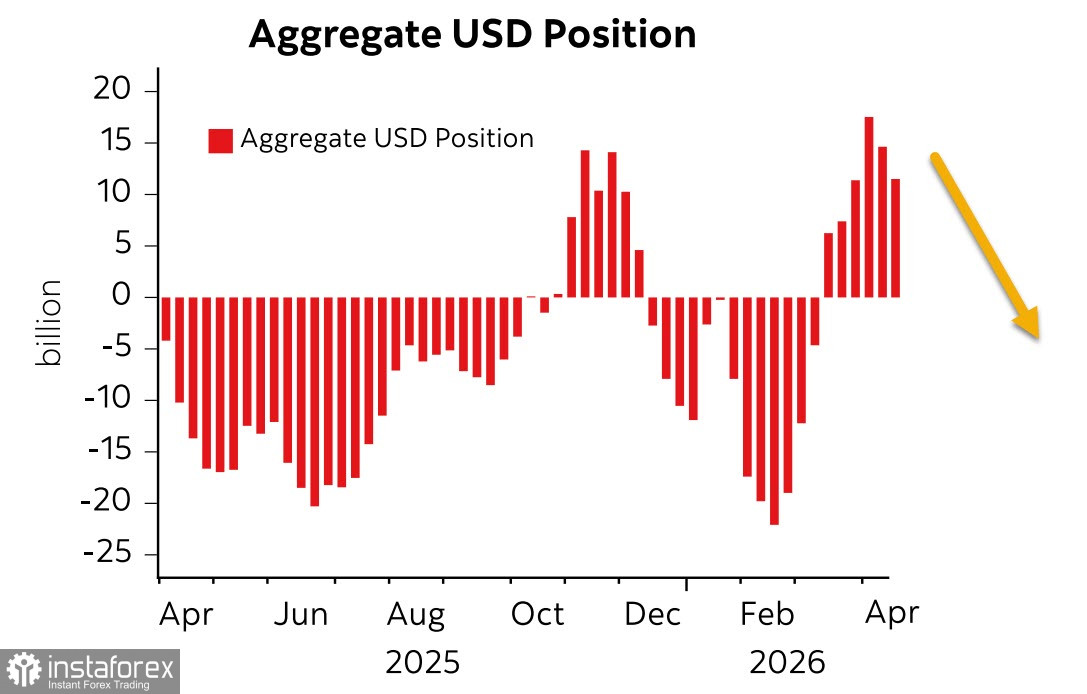
The cumulative long position in the U.S. dollar against major global currencies decreased by $3.1 billion over the reporting week, down to $11.6 billion, marking a decline for the second consecutive week. It is evident that this shift in positioning is driven by hopes for an end to the war in the Middle East.
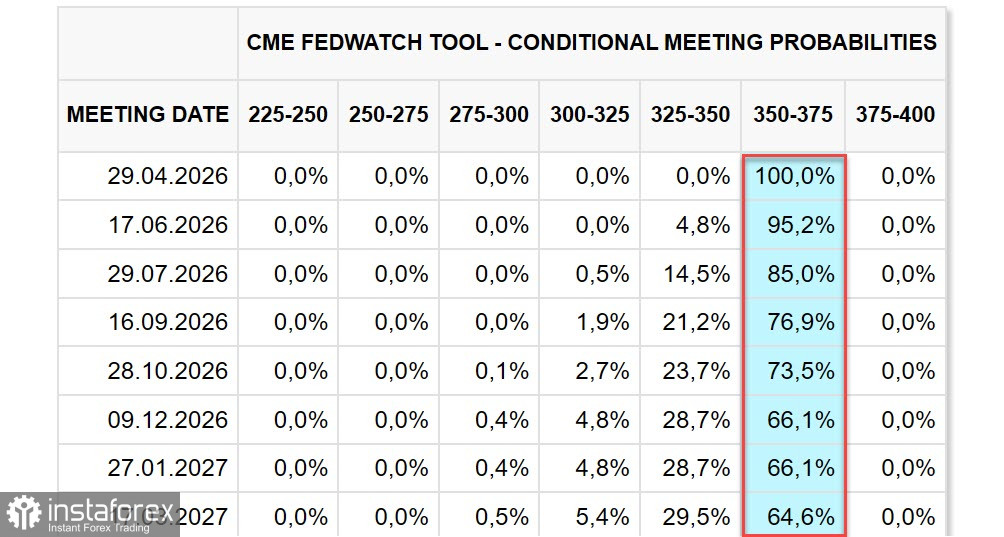
On Wednesday, the Federal Reserve will hold its next monetary policy meeting, and it is expected to keep interest rates unchanged. The risks that the Fed has to consider in making its decision appear balanced. On the one hand, inflation remains above target, and the energy crisis stemming from the war in the Middle East could push it even higher. On the other hand, job growth in the US has certainly slowed in recent years, and the unemployment rate is relatively stable, which practically means that the monthly job increase could be close to zero without an increase in unemployment. If this dynamic changes, then it might suggest the need for rate cuts, but not now; futures do not anticipate any changes for at least the next year.
For the dollar, the situation looks increasingly clear. When positive news arises from the Middle East, the dollar weakens, and risk appetite increases. Conversely, when it becomes apparent that negotiations have hit a deadlock again, both the dollar and oil prices rise while demand for risk decreases. The market has clearly demonstrated this mechanism.
We must proceed from the premise that hopes for a successful resolution of the war are becoming increasingly elusive. Washington has not achieved the desired outcome on the battlefield and is pursuing its goals through negotiations. Iran has not lost this war and is not acting from a position of weakness. This situation could last for a long time, and the longer the uncertainty persists, the more pronounced the consequences will be. The energy crisis could simultaneously trigger two effects: rising inflation and, shortly thereafter, a global food crisis, as fertilizer production has sharply slowed due to a lack of natural gas. In the long run, these factors favor the dollar, but in the short term, they do not.
We assume that the resumption of active hostilities under current conditions is unlikely, meaning the dollar cannot rely on this factor. Ongoing tension will prevent the dollar from falling, so it will trade within a narrow range with a tendency to weaken against major currencies. If tensions decrease, the process of dollar weakening will accelerate.
*Analiza tržišta koja se ovde nalazi namenjena je boljem razumevanju tržišta i ne pruža instrukcije za vršenje trgovanja.
Uz InstaSpot-ove analitičke preglede uvek ćete biti u toku sa tržišnim trendovima! Klijentima InstaSpot-a su dostupni mnogobrojni besplatni servisi za uspešno trgovanje.


