




Ons team heeft meer dan 7,000,000 handelaren!
Elke dag werken we samen om de handel te verbeteren. We behalen hoge resultaten en gaan verder.
Erkenning door miljoenen handelaren over de hele wereld is de beste waardering voor ons werk! U heeft uw keuze gemaakt en wij zullen er alles aan doen om aan uw verwachtingen te voldoen!
Wij zijn samen een geweldig team!
InstaSpot. Trots om voor je te werken!





Acteur, UFC 6-toernooikampioen en een echte held!
De man die zichzelf heeft gemaakt. De man die onze kant op gaat.
Het geheim achter het succes van Taktarov is een constante beweging naar het doel.
Onthul alle kanten van je talent!
Ontdekken, proberen, falen - maar nooit stoppen!
InstaSpot. Je succesverhaal begint hier!

As gold demonstrates considerable volatility, attempting to digest yesterday's Federal Reserve rate decision, global central banks bought only 57 tons of gold in the first quarter of this year, which is 187 tons less than previously anticipated. According to the World Gold Council's report published on Thursday, this marks the weakest start to the year in over a decade, and the downward revision of data suggests that the overall purchasing pace this year will likely be below the levels of 2025.
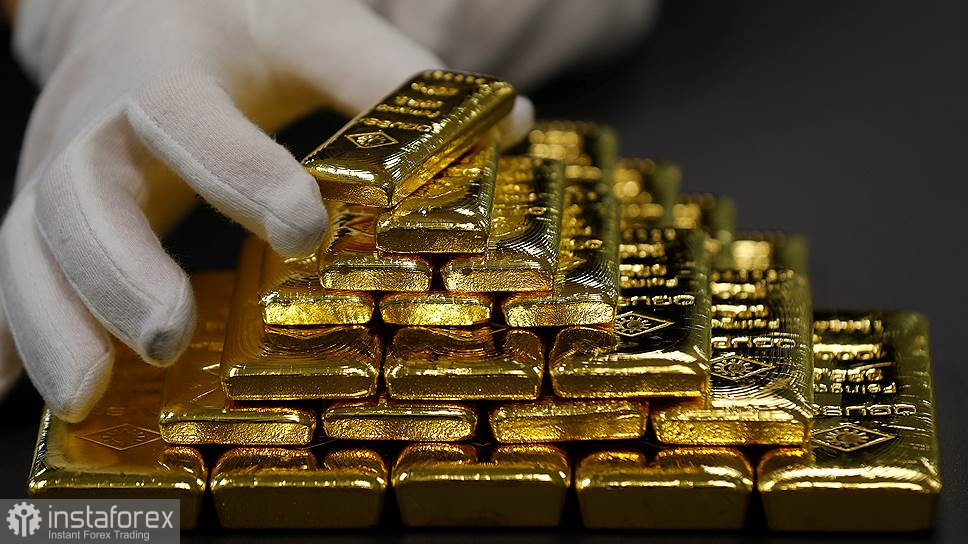
The significance of this revision cannot be overstated, as the initial estimate played into the hands of optimists who argued that institutional buyers—a key factor in the multi-year rise in gold prices—were returning to the market in large numbers to buy the metal after its fall from historical highs. It is worth noting that since the start of the war with Iran at the end of February, gold has lost about a quarter of its value, as rising energy prices intensified inflation concerns and lowered expectations for rate easing. The downwardly revised data strips this optimistic narrative of some of its foundation.
It is also essential to consider the methodological nuances of these estimates. A significant portion of central bank purchases, as reflected in the WGC statistics, is officially undisclosed. The consulting firm Metals Focus calculates the estimated volumes of purchases on behalf of the council using a combination of publicly available data, trade statistics, and research, meaning that the figures and their revisions inevitably carry an element of estimation rather than precise counting.
Nevertheless, despite a weak first quarter, demand from central banks rebounded sharply in the second quarter, totaling 289 tons—a record figure for this particular quarter. The largest buyer was Poland, which purchased 51 tons, increasing its acquisitions for the first half of the year to 82 tons and overtaking the traditional leader in recent years, China, which bought 33 tons in the quarter.
Amid these structural data on central bank demand, gold continues to behave predictably within the established range. After the decline from the record level set in January amid concerns about tighter monetary policy, the metal has found support near $4,000 per ounce since the end of June, with investors continuing to buy on dips around this level.
*The market analysis posted here is meant to increase your awareness, but not to give instructions to make a trade.
InstaSpot analytical reviews will make you fully aware of market trends! Being an InstaSpot client, you are provided with a large number of free services for efficient trading.


